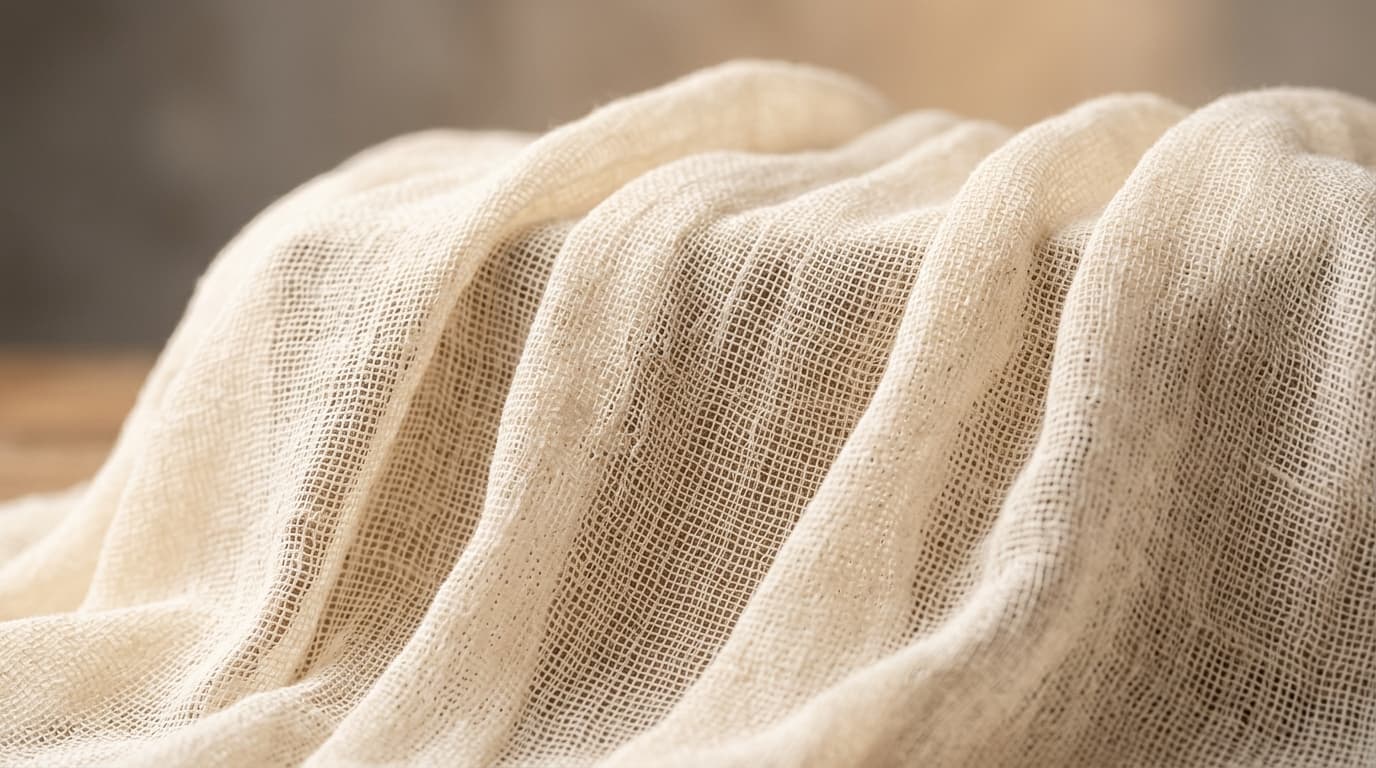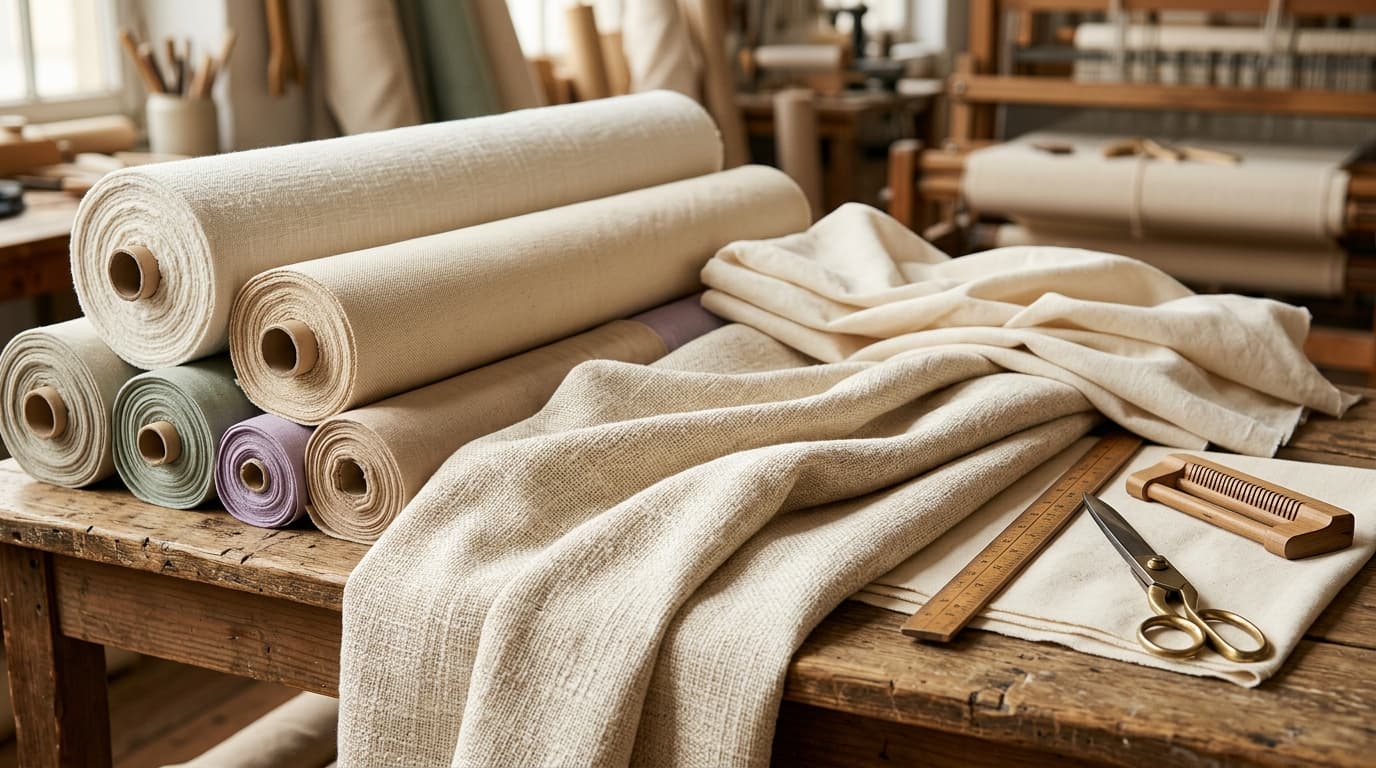

The traditional Welsh flannel was designed in wool and was mostly used by Europeans during early times.
Technical Specifications & Parameters
| Specification Attribute | Standard Spec |
|---|---|
| Wool flannel fabric | The traditional Welsh flannel was designed in wool and was mostly used by Europeans during early times. |
| Cotton flannel fabric | It became popular during the Expansionist period, being the most desirable for soft and rich flannel cloth as well as bedsheets. |
| Synthetic flannel fabric | Numerous types of flannel materials are made from synthetic fibers like nylon and polyester. |
| Ceylon flannel fabric | It was first developed in Sri Lanka and consists of an equal blend of cotton as well as wool. |
| Baby flannel | Baby flannel is known for its fineness and is mostly used for baby products as it gives a soft feel against the sensitive skin of a baby. |
| Diaper flannel | It is used in making disposable diapers as it is a good absorbent and comfy. |
| Vegetable flannel | Vegetable flannel is made from cellulose and became famous during the 19th Century in Europe. |
What is Flannel?
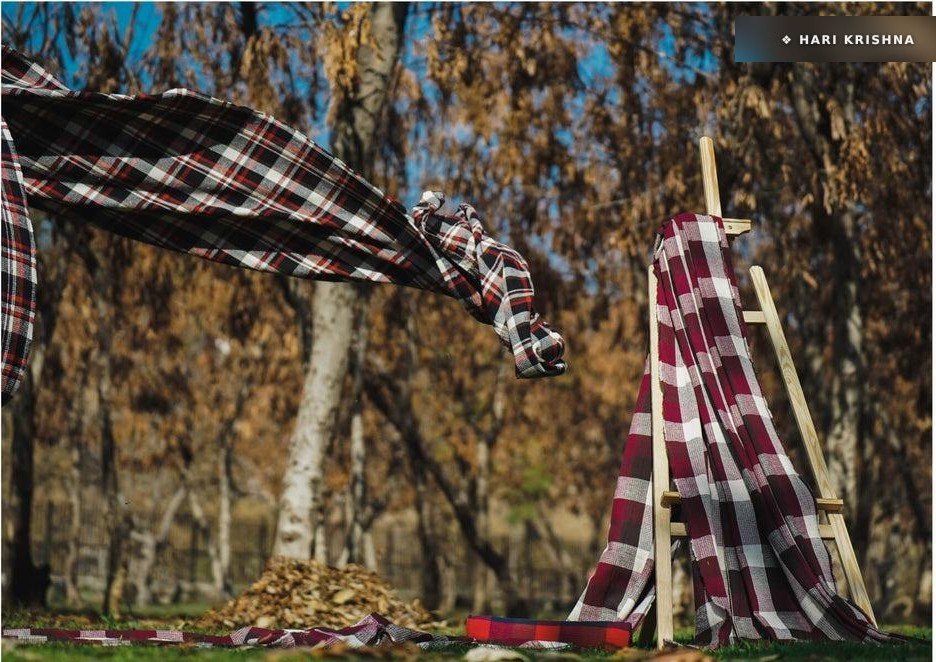
- Flannel fabric is known for its soft and warm nature with a loosely woven weave.
- It is made by combining wool, cotton, and synthetic fibers.
- The property of being soft originates from the brushing process which was done after weaving.
- Flannel fabric is comfy and cozy which makes it perfect to wear on cold days.
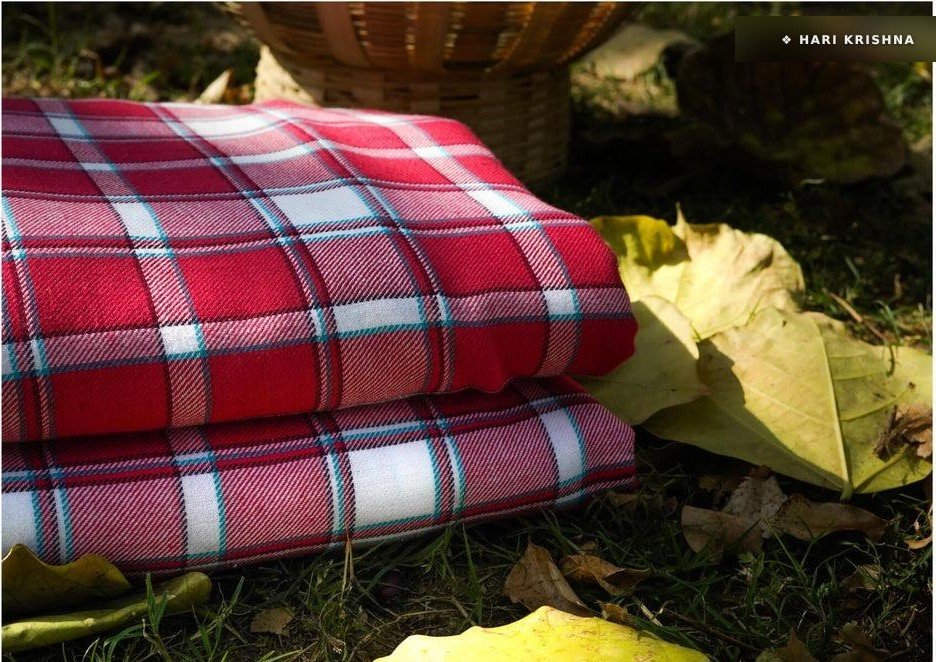
- It is mostly woven in patterns, more specifically in a checked pattern.
History
- Flannel fabric was originated during the 17th century in Wales when the textile workers of Welsh started using the leftover wool of sheep to make a moisture-wicking and warm fabric.
- Due to cloudy and cold weather, the flannel shirts became the go-to work dress for Welsh farmers.
- Soon flannel fabric made its way in England and France where it blossom within the working class throughout the Industrial revolution.
- Later it made its way to the US during World War I in the 20th Century as a uniform for soldiers.
- The popularity of flannel arose during the early 1990s when the grunge band started using plaid flannel for their on-stage attire.
- Presently flannel is a widely known fabric worn as outdoor and winter apparel
Types of Flannel fabric
|
Wool flannel fabric |
The traditional Welsh flannel was designed in wool and was mostly used by Europeans during early times. |
|
Cotton flannel fabric |
It became popular during the Expansionist period, being the most desirable for soft and rich flannel cloth as well as bedsheets. |
|
Synthetic flannel fabric |
Numerous types of flannel materials are made from synthetic fibers like nylon and polyester. |
|
Ceylon flannel fabric |
It was first developed in Sri Lanka and consists of an equal blend of cotton as well as wool. |
|
Baby flannel |
Baby flannel is known for its fineness and is mostly used for baby products as it gives a soft feel against the sensitive skin of a baby. |
|
Diaper flannel |
It is used in making disposable diapers as it is a good absorbent and comfy. |
|
Vegetable flannel |
Vegetable flannel is made from cellulose and became famous during the 19th Century in Europe. |
What Makes it Special
|
Soft |
Flannel fabric is mostly used because of its soft fibers, loose weave, and comfy nature. |
|
Warm |
Clothes made from flannel can retain heat which makes them popular for winter outfits. |
|
Moisture-wicking |
Due to its loose weave, flannel fabric is breathable, that is, it does not trap moisture. |
Application & Usage
|
Clothing |
Shirts, sweaters, cardigans, etc |
|
Accessories |
Bags, belts, etc. |
|
Home-Furnishing |
Bedsheets, blankets, etc. |
Care Instructions
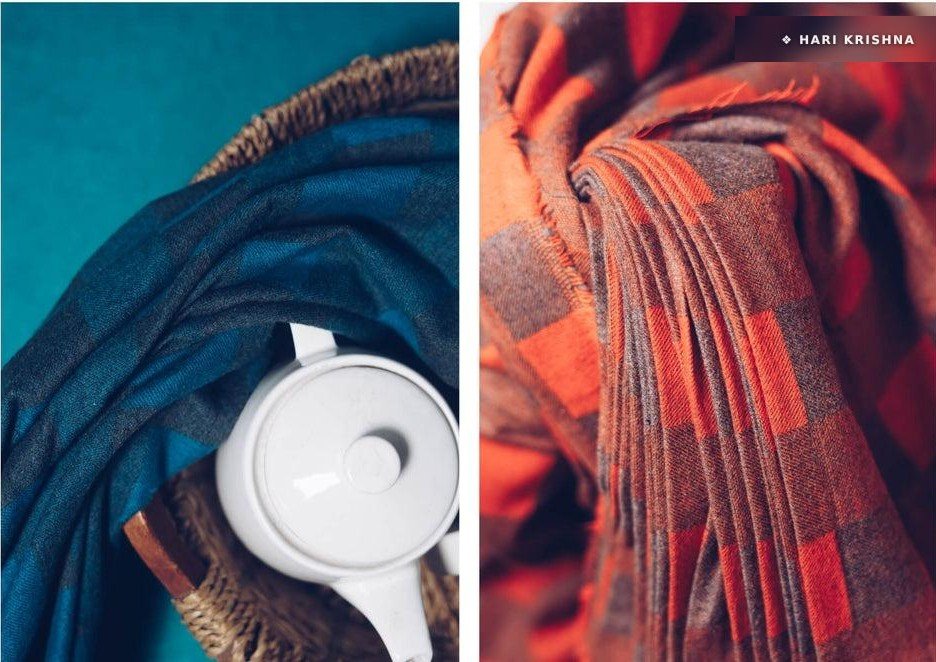
- Use cold water along with mild detergent while washing flannel clothes.
- Iron the fabric on low heat.
Care & Maintenance Guidelines
Use cold water along with mild detergent while washing flannel clothes.
Use cold water along with mild detergent while washing flannel clothes.
Iron the fabric on low heat.
Iron the fabric on low heat.
Frequently Asked Questions
Was this fabric wiki guide helpful?
Your feedback helps our textile team continuously refine our specs.
Hari Krishna Fabric Experts
Textile Mill & Quality Engineering Team
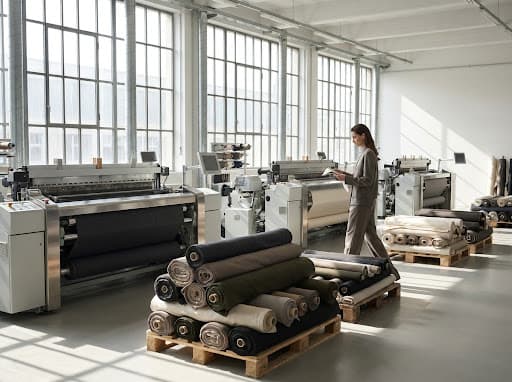
The Hari Krishna Textile Quality & Engineering team oversees weaving precision, GSM batch audits, and fiber testing under international ISO standards at our Surat mill facility.