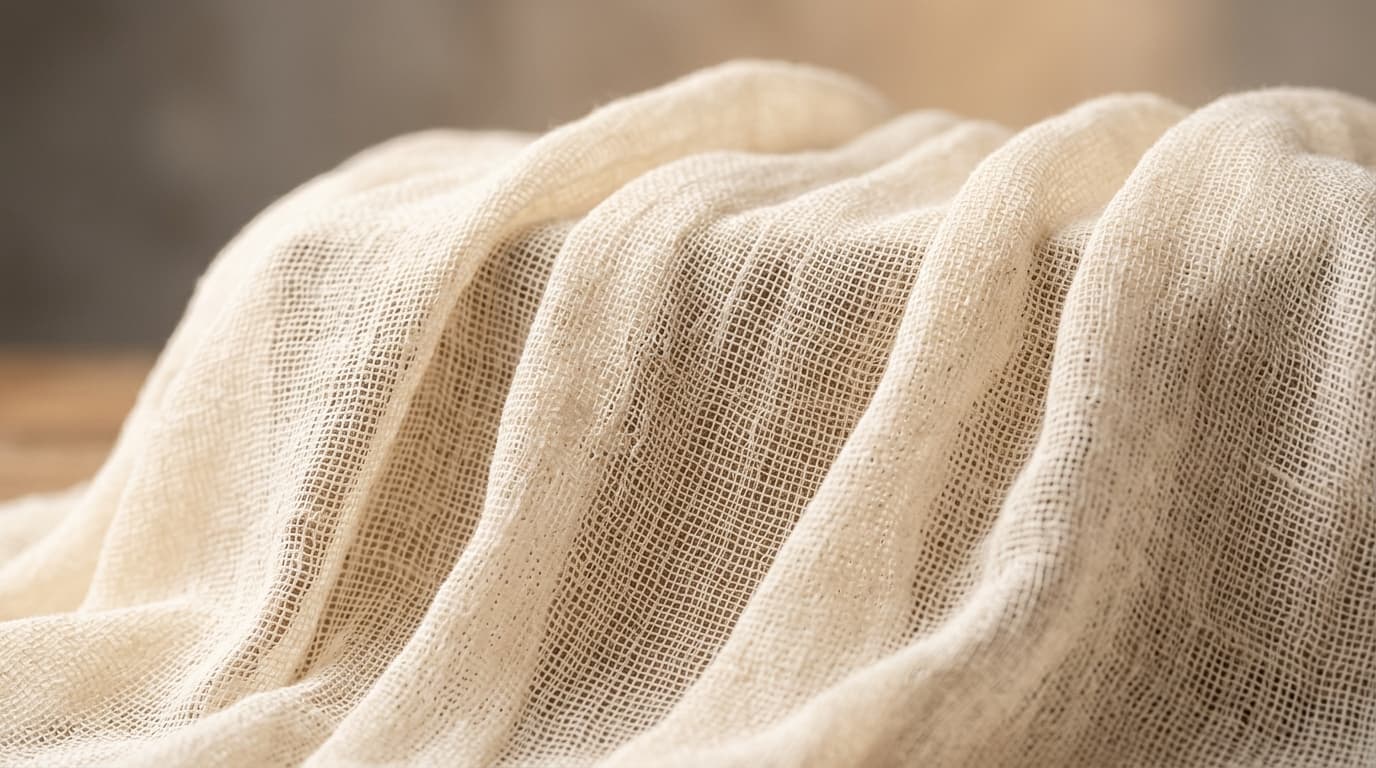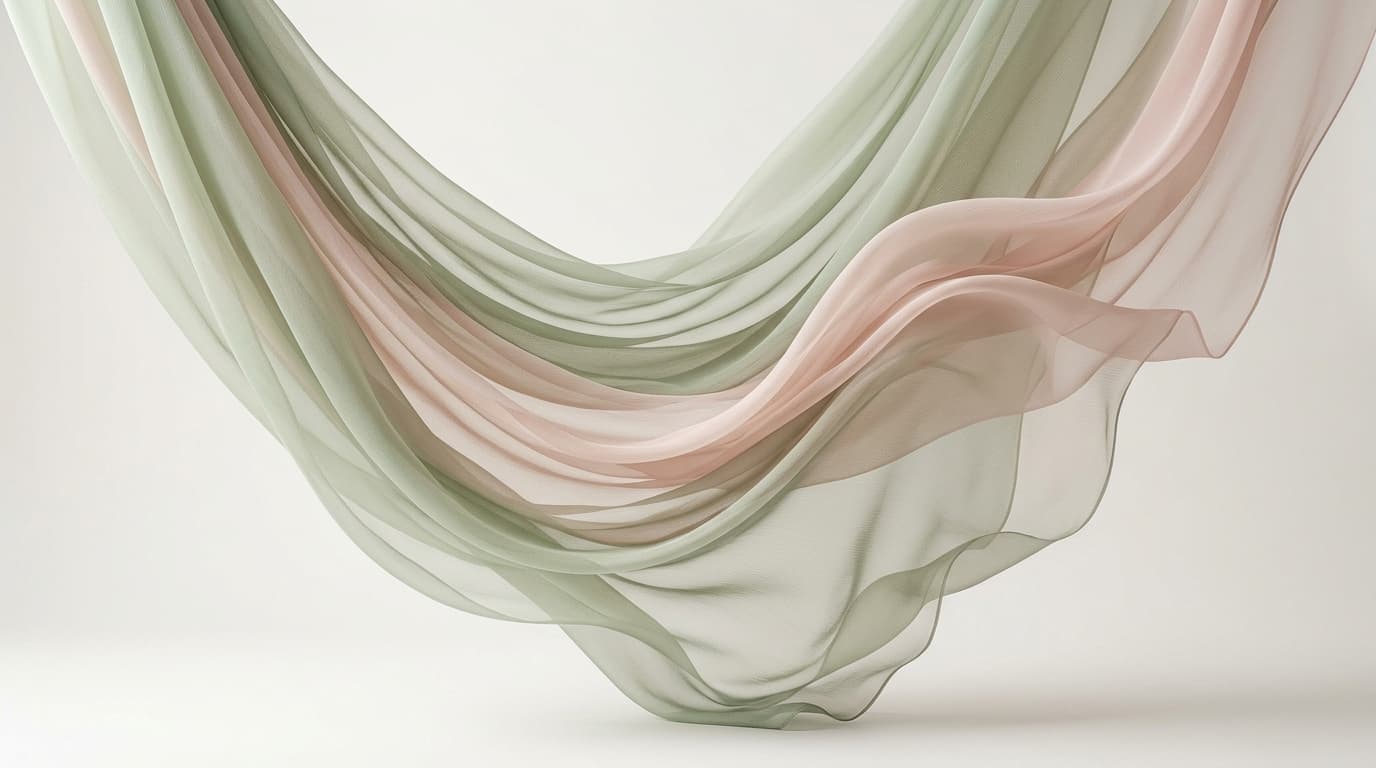
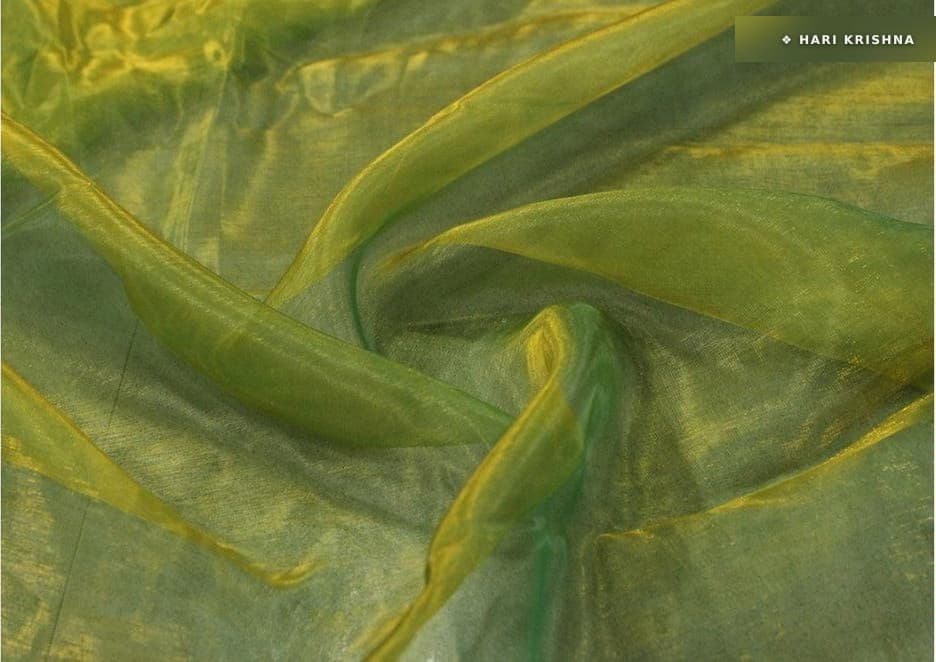
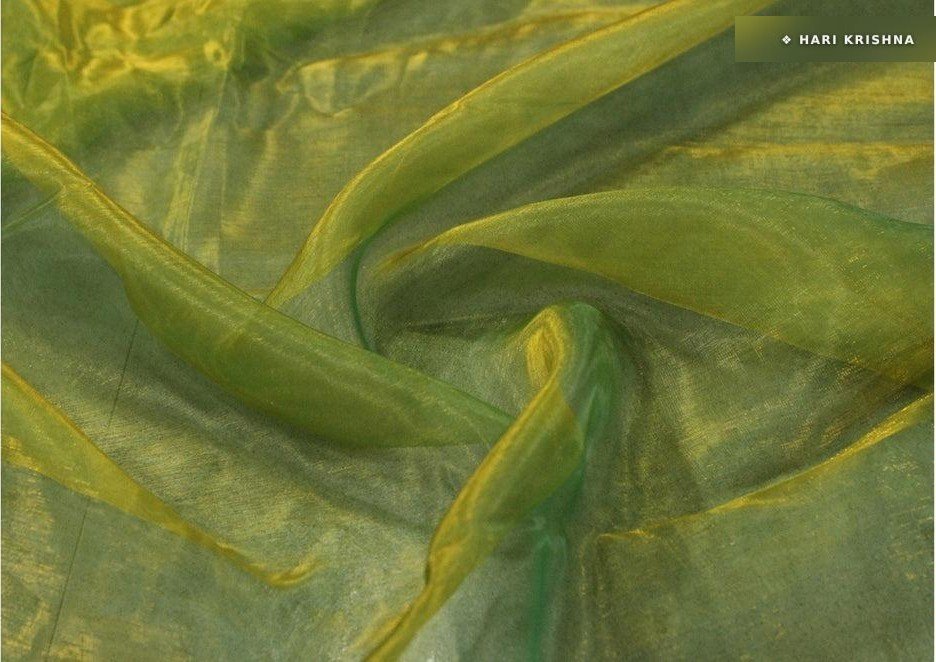
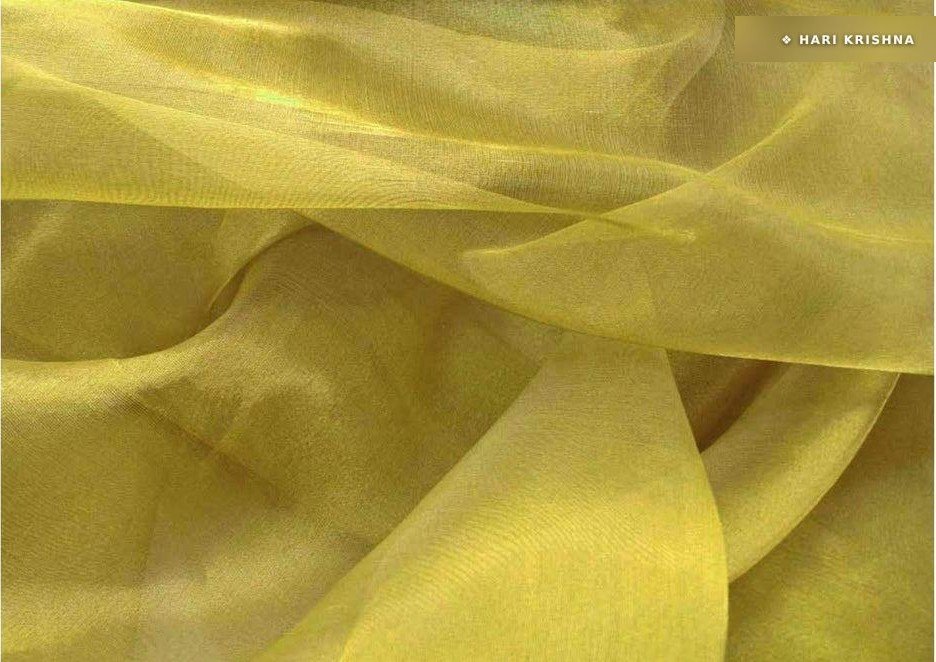
Tissue fabric is slightly rough & crisp in texture.
Technical Specifications & Parameters
| Specification Attribute | Standard Spec |
|---|---|
| Texture | Tissue fabric is slightly rough & crisp in texture. |
| Fall | The fabric gives a slightly structured drape to the outfits. |
| Shine | The appearance of the fabric is elegant due to its shimmery nature. |
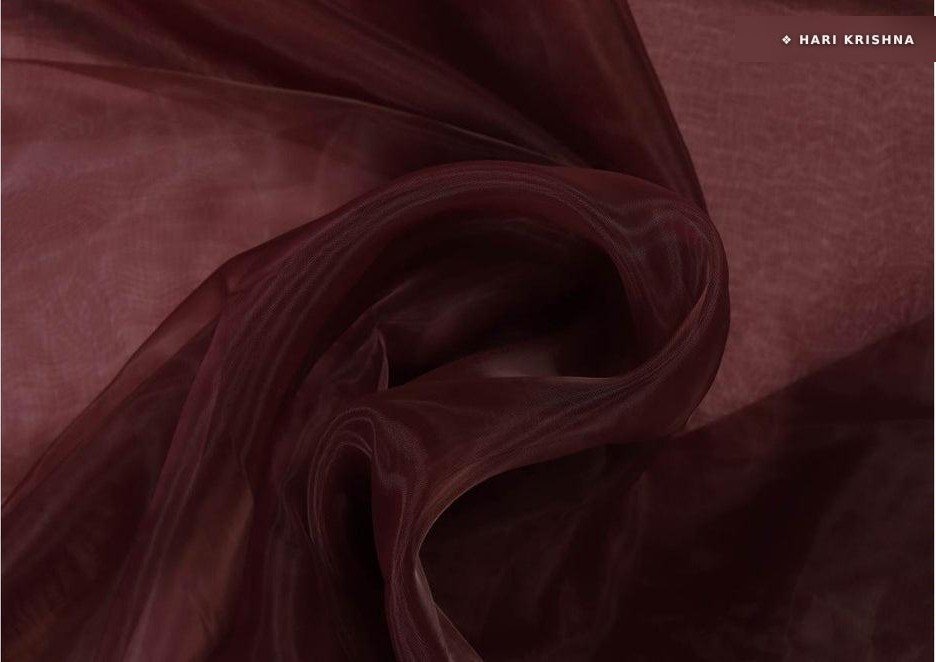
| Sheer | The fabric is translucent and lightweight. |
What is Tissue Fabric?
- Tissue Silk or man-made fibers are used to create the delicate fabric known as "tissue fabric."
- They are distinguished by the use of golden or silver threads in the weaving process.
- Katan Silk, Cotton, or Kora Silk are the three types of warp that are most often used. The final combinations have a gloss on the cloth, but each one has a very different feel to it.
- It is made in many bright colors, and the finished products are used to make sarees and other clothes for women.
- Kota tissue material and Uppada tissue material are the forms of tissue fabric that are the most well-known.
History
- There is no specific history regarding the origin of this fabric.
- However, the Kota tissue silk fabric is indigenous to the Indian state of Rajasthan.
- Andhra Pradesh in India is the origin of the fabric made of Uppada tissue.
What Makes it Stand Out
|
Texture |
Tissue fabric is slightly rough & crisp in texture. |
|
Fall |
The fabric gives a slightly structured drape to the outfits. |
|
Shine |
The appearance of the fabric is elegant due to its shimmery nature. |
|
Sheer |
The fabric is translucent and lightweight. |

Applications & Usage
- Tissue silk fabric is considerably used in pure silk Kanchipuram and Banarasi sarees with brocade and zari work.
- It is also widely used to make veils and turbans. It’s metallic sheen and lusture allows for versatile uses in various designer dresses, and other types of women's occasional clothing.
Care Instructions
- Only clean in a dry environment and avoid getting any substances, especially fragrances, on the fabric.
- Alternate the folds often, and store them in materials made entirely of cotton.
- Iron the fabric on the reverse side.
- Avoid bleaching the product and exposing it to excessive heat and sunlight for extended periods of time.
Care & Maintenance Guidelines
Only clean in a dry environment and avoid getting any substances, especially fragrances, on the fabric.
Only clean in a dry environment and avoid getting any substances, especially fragrances, on the fabric.
Alternate the folds often, and store them in materials made entirely of cotton.
Alternate the folds often, and store them in materials made entirely of cotton.
Iron the fabric on the reverse side.
Iron the fabric on the reverse side.
Avoid bleaching the product and exposing it to excessive heat and sunlight for extended periods of time.
Avoid bleaching the product and exposing it to excessive heat and sunlight for extended periods of time.
Frequently Asked Questions
Was this fabric wiki guide helpful?
Your feedback helps our textile team continuously refine our specs.
Hari Krishna Fabric Experts
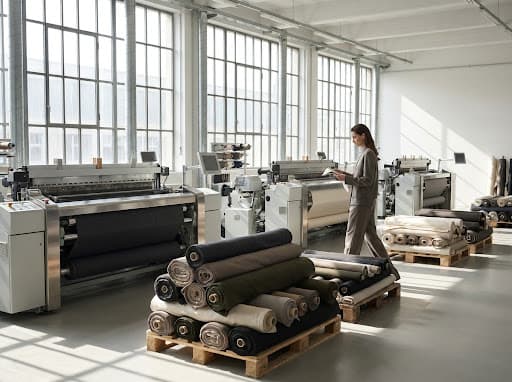
Textile Mill & Quality Engineering Team
The Hari Krishna Textile Quality & Engineering team oversees weaving precision, GSM batch audits, and fiber testing under international ISO standards at our Surat mill facility.