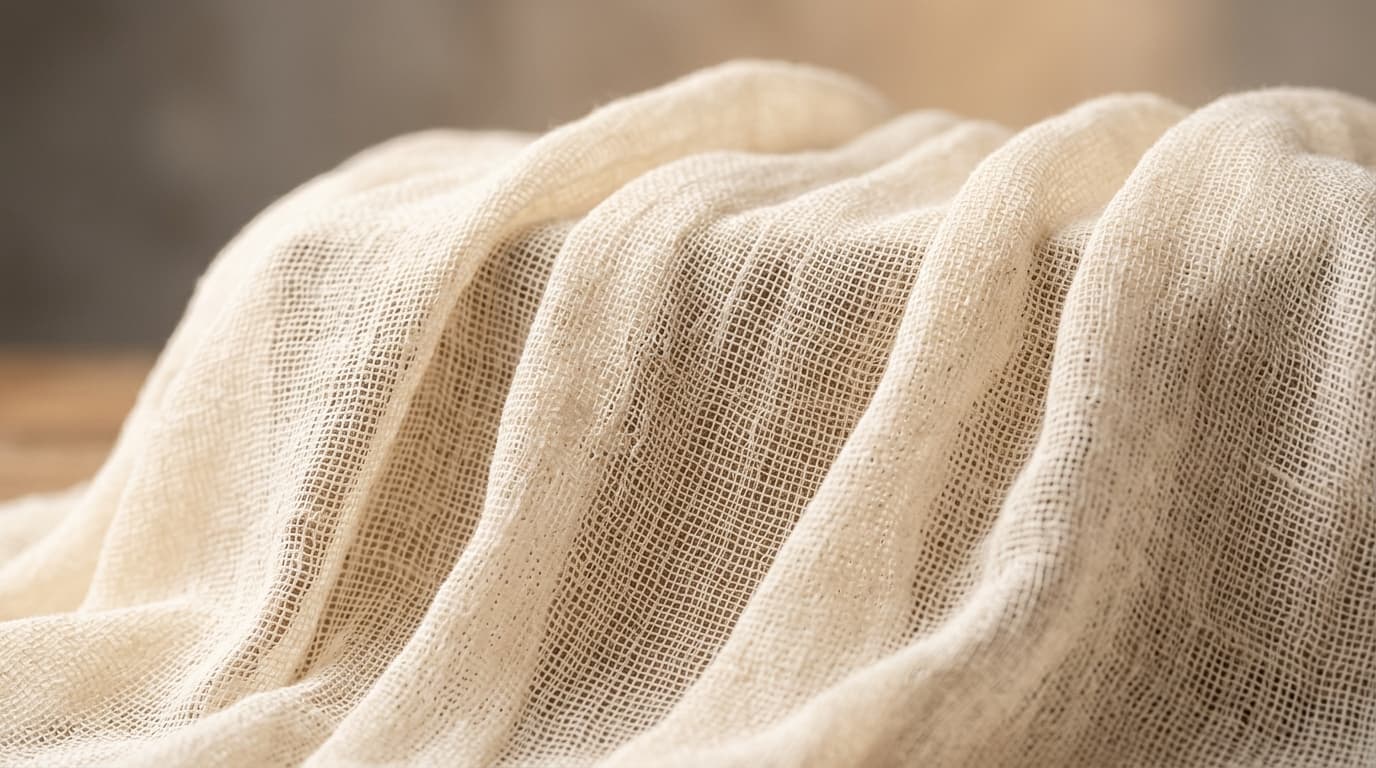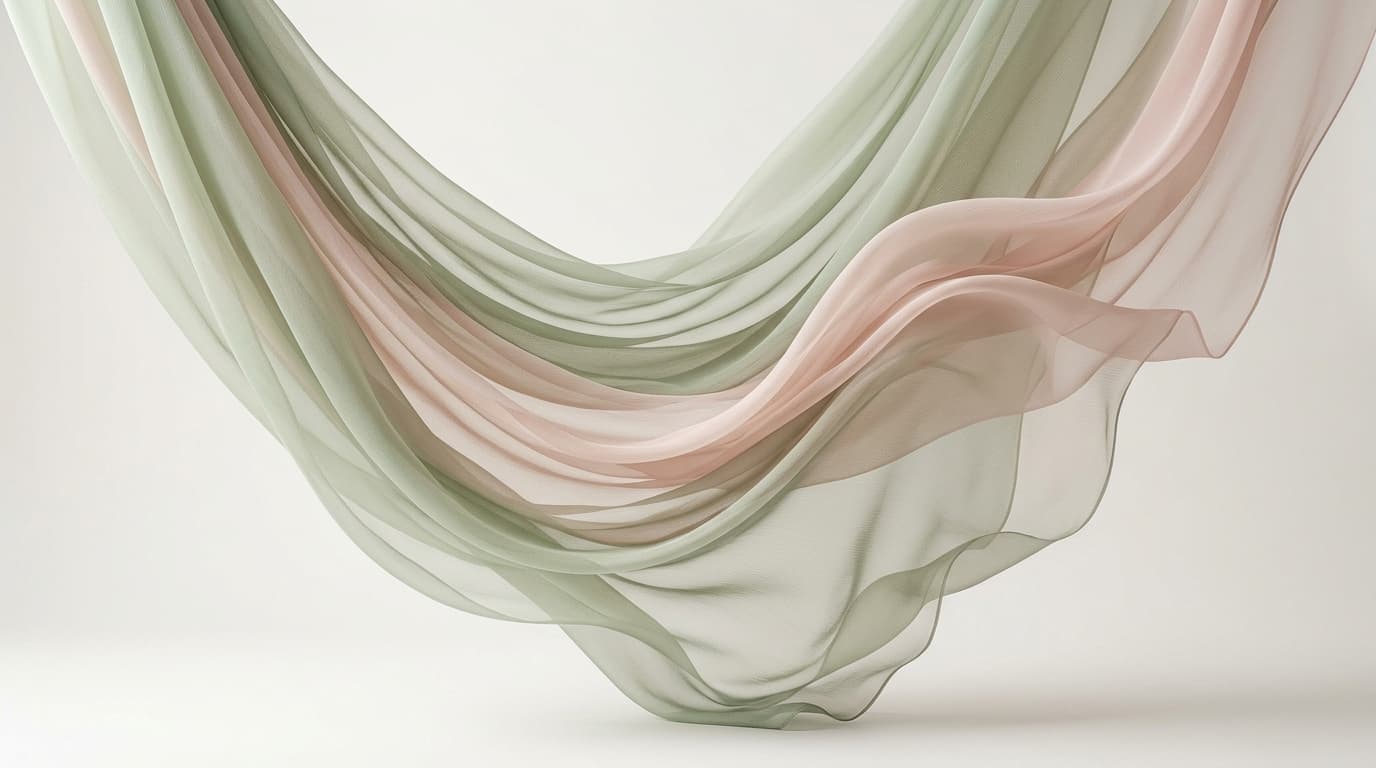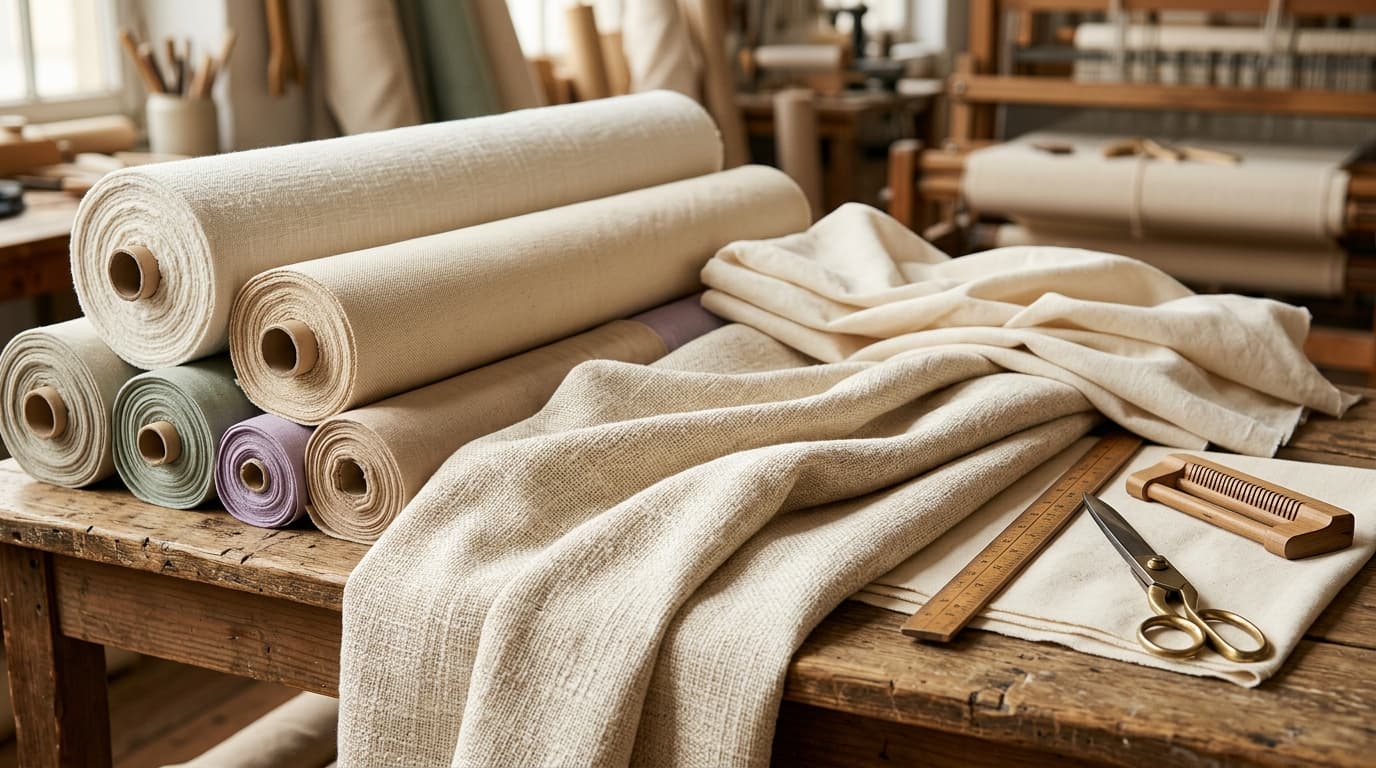
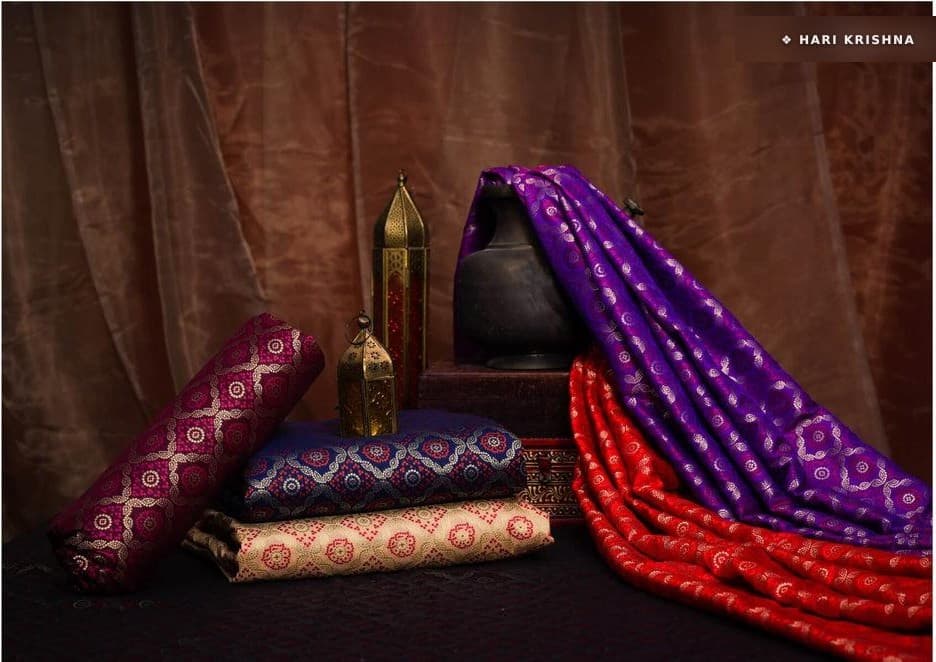
This type of taffeta fabric includes wefting and warping of different color threads. This weaving method creates a unique iridescent effect.
Technical Specifications & Parameters
| Specification Attribute | Standard Spec |
|---|---|
| Shot- silk Taffeta | This type of taffeta fabric includes wefting and warping of different color threads. This weaving method creates a unique iridescent effect. |
| Warp printed Taffeta | In this type of fabric the warp threads are printed before weaving, this creates a pastel pattern. It is most commonly used by people in France throughout the 18th Century. |
| Paper Taffeta | Paper Taffeta is a thin and lightweight fabric. It has a consistency similar to a paper. |
| Antique Taffeta | This type of fabric is unevenly woven yarn that causes slight bumps on the fabric. |
| Faille Taffeta | Faille Taffeta is made from short-length fibers similar to wool and cotton. |
| Stretch Taffeta | It comprises Spandex which is converted into a weave to add extra flexibility. |
What is Taffeta Silk?
- Taffeta is a lightweight and crisp fabric that is used in making various high-end apparel for females.
- The word “Taffeta” has been derived from the Persian word “Tafta”, which means twisted yarns.
- Taffeta silk has shape-retaining properties which make it represent unique attributes.
- It is a smooth and plain fabric and can be designed from different fibers.
History
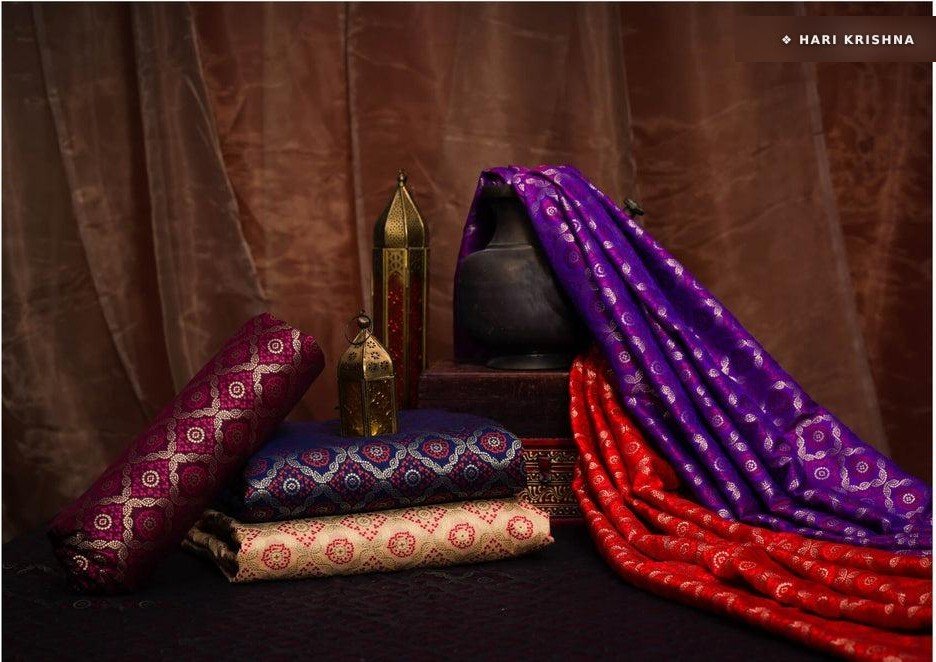
- The fabric was developed during the 12th century in Attabiya, Baghdad. However, it was also manufactured in Japan till the 1950s.
- Since the replacement of handlooms with power looms, taffeta silk has become one of the most expensive fabrics.
- In present times, Italy and France have also become the home to taffeta fabric.
- India also manufactures this fabric by the traditional handloom method.
Types of Taffeta silk
|
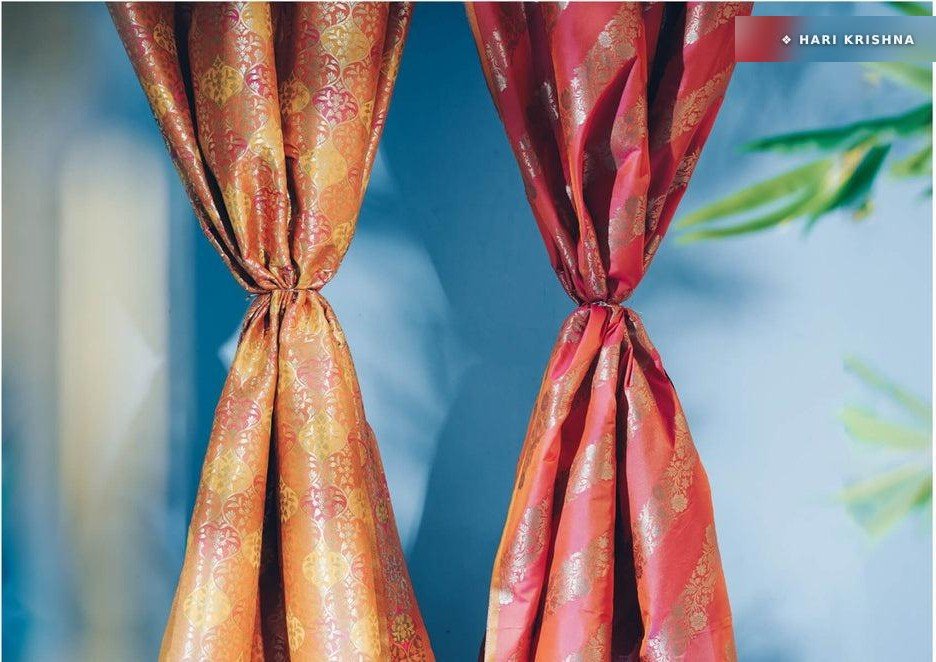
Shot- silk Taffeta |
This type of taffeta fabric includes wefting and warping of different color threads. This weaving method creates a unique iridescent effect. |
|
Warp printed Taffeta |
In this type of fabric the warp threads are printed before weaving, this creates a pastel pattern. It is most commonly used by people in France throughout the 18th Century. |
|
Paper Taffeta |
Paper Taffeta is a thin and lightweight fabric. It has a consistency similar to a paper. |
|
Antique Taffeta |
This type of fabric is unevenly woven yarn that causes slight bumps on the fabric. |
|
Faille Taffeta |
Faille Taffeta is made from short-length fibers similar to wool and cotton. |
|
Stretch Taffeta |
It comprises Spandex which is converted into a weave to add extra flexibility. |
What Makes it Stand Out
|
Crisp |
Taffeta silk material is crisp in nature due to the tightly woven yarns. |
|
Sheen |
The fabric is shimmery in texture which makes it distinct. |
|
Smooth |
Taffeta has a smooth touch as well as the dyed taffeta silk, particularly extra soft. |
|
Luxurious |
The shiny and crisp nature of taffeta makes it look iconic and luxurious. |
|
Pliable |
Due to its property of being stiff, the fabric does not lose its shape. |
|
Doesn’t Pill |
Taffeta silk does not pill over time and remains smooth. |
Application & Usage
|
Clothing |
Evening gowns, corsets, lining jackets, etc. |
|
Accessories |
Umbrella, handbags, parachutes, sleeping bags, etc. |
|
Home-furnishing |
Curtains, upholstery, lampshades, etc. |
Care Instructions
- Do not wash Taffeta silk cloth with hot water as it will cause bleeding of dye, hence prefer cold water.
- While washing, use a gentle detergent.
- Do not twist the fabric.
- Prefer to dry it in a ventilated area, rather than in sunlight.
- If needed, iron on low heat.
Care & Maintenance Guidelines
Do not wash Taffeta silk cloth with hot water as it will cause bleeding of dye, hence prefer cold water.
Do not wash Taffeta silk cloth with hot water as it will cause bleeding of dye, hence prefer cold water.
While washing, use a gentle detergent.
While washing, use a gentle detergent.
Do not twist the fabric.
Do not twist the fabric.
Prefer to dry it in a ventilated area, rather than in sunlight.
Prefer to dry it in a ventilated area, rather than in sunlight.
If needed, iron on low heat.
If needed, iron on low heat.
Frequently Asked Questions
Was this fabric wiki guide helpful?
Your feedback helps our textile team continuously refine our specs.
Hari Krishna Fabric Experts
Textile Mill & Quality Engineering Team
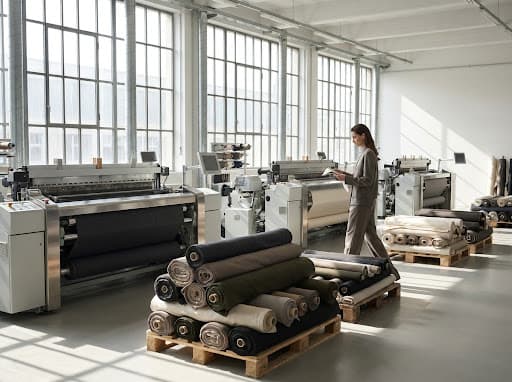
The Hari Krishna Textile Quality & Engineering team oversees weaving precision, GSM batch audits, and fiber testing under international ISO standards at our Surat mill facility.