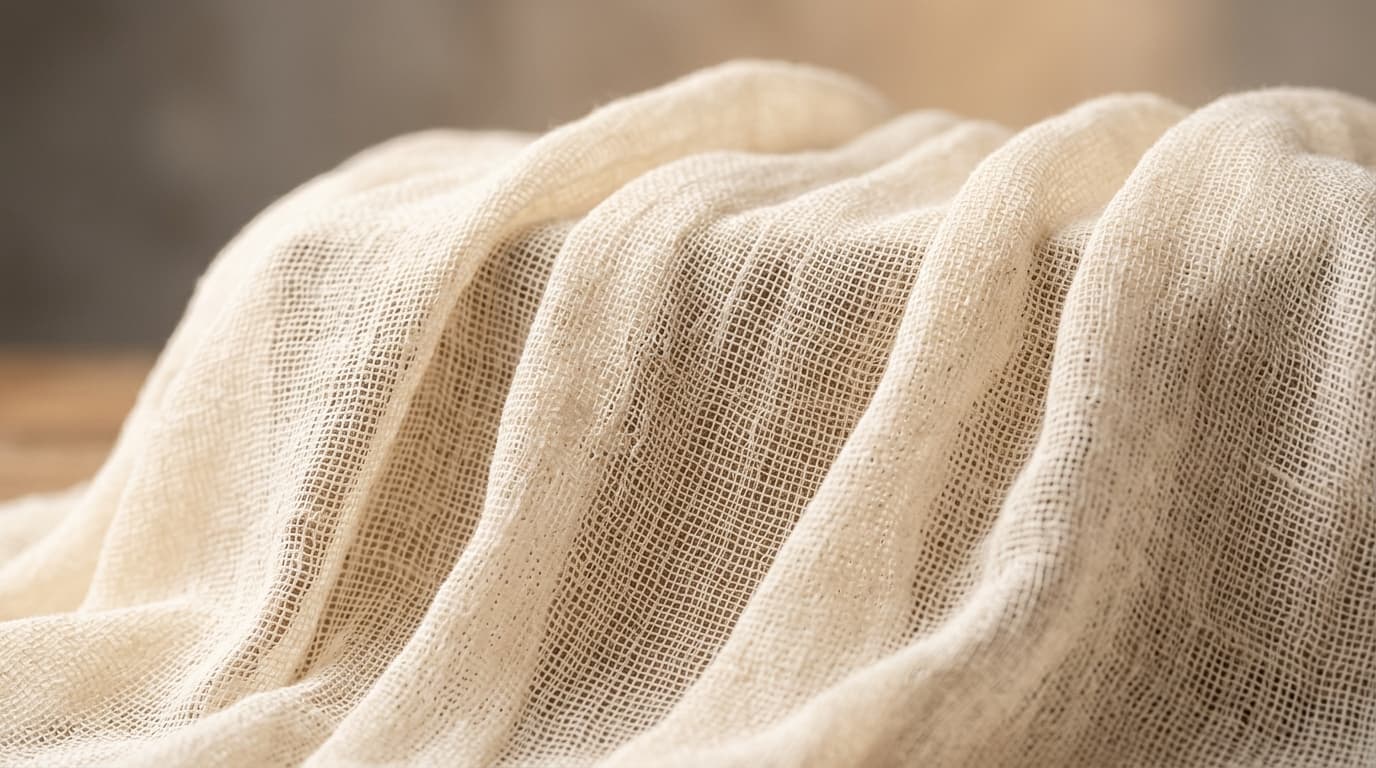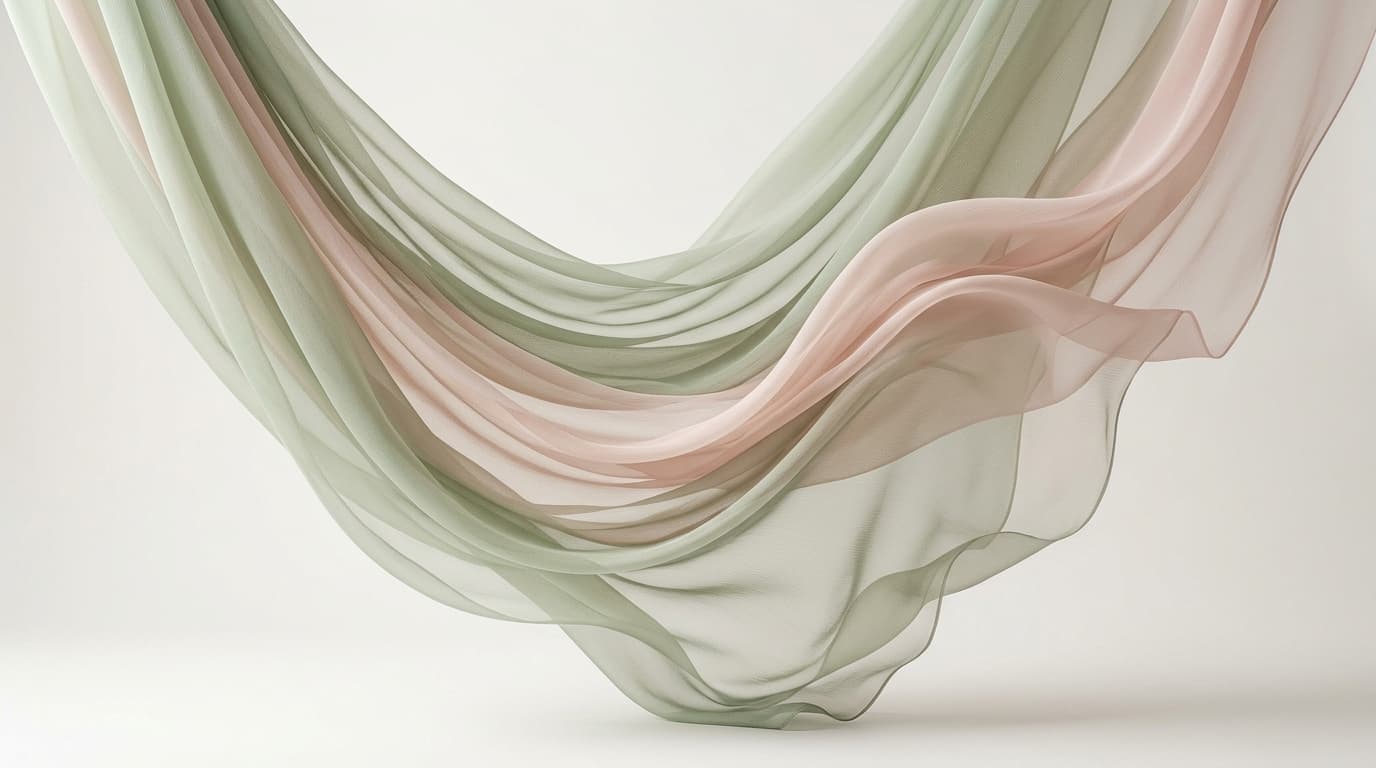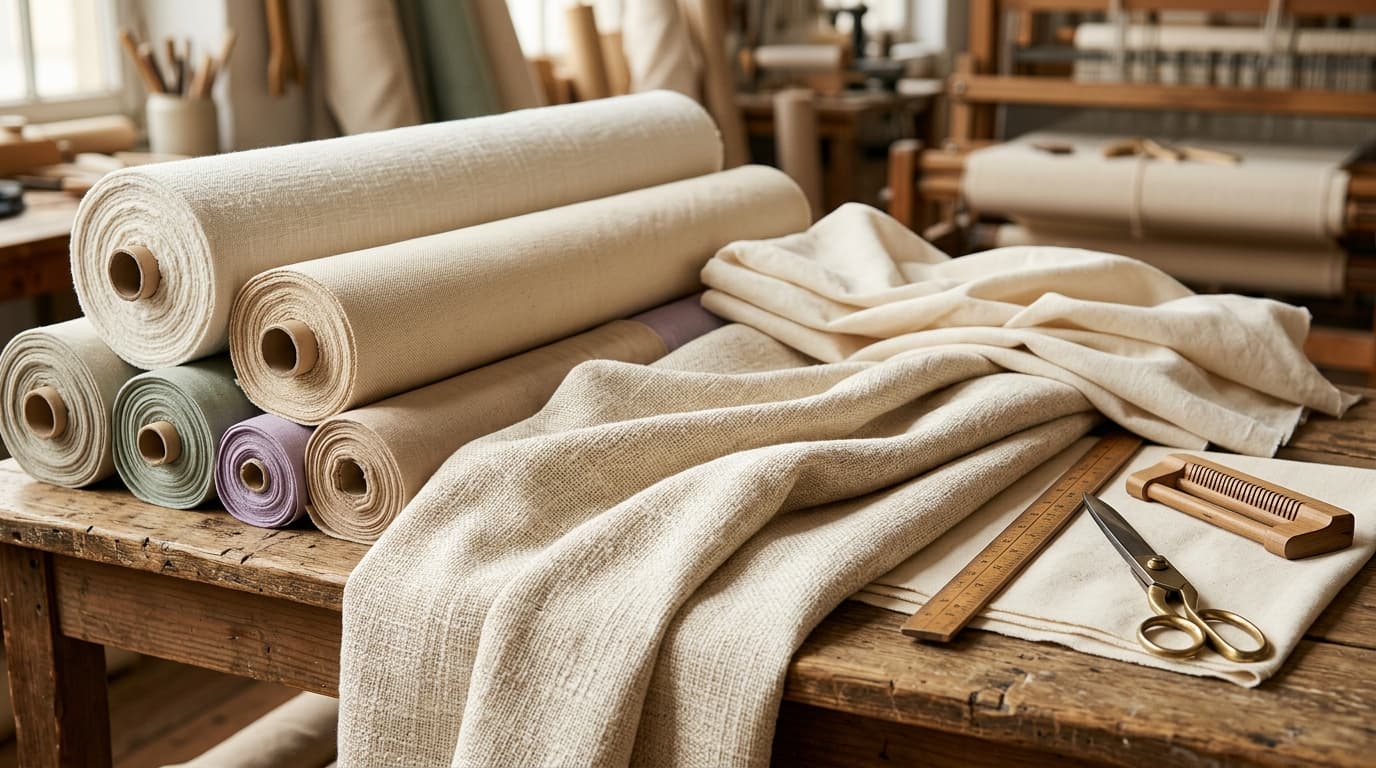
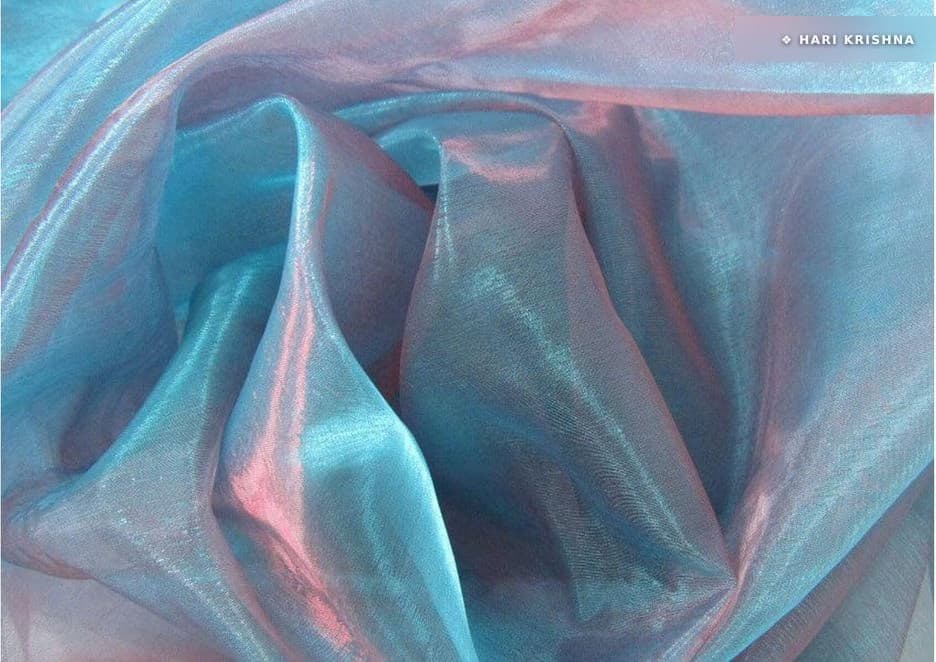
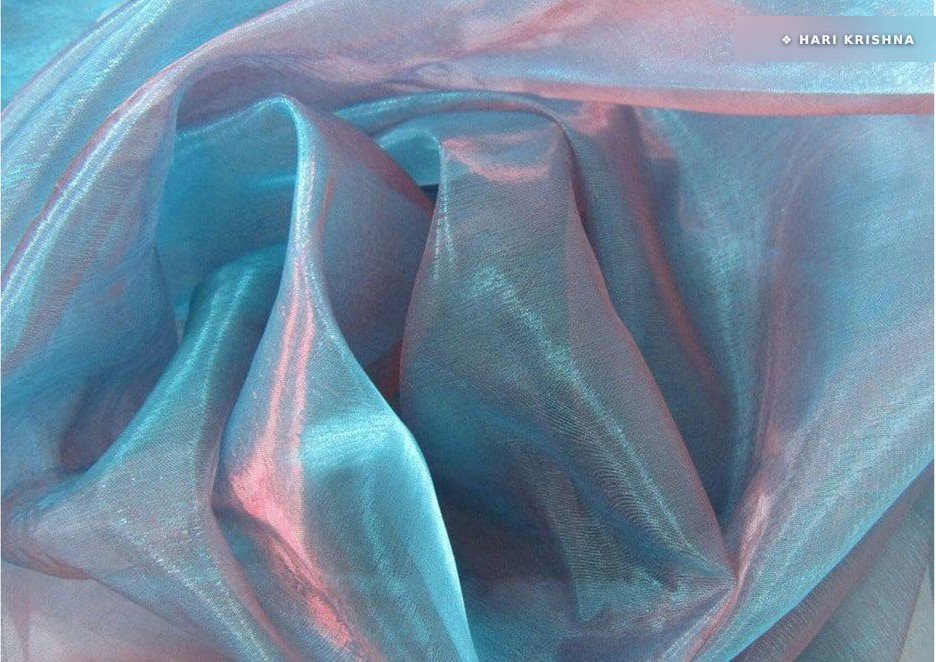
Sheer fabric's peculiar feature is its lightweight. Due to its various ranges of threads.
Technical Specifications & Parameters
| Specification Attribute | Standard Spec |
|---|---|
| Sheer | Sheer fabric's peculiar feature is its lightweight. Due to its various ranges of threads. |
| Breathability | Its delicate nature makes this fabric the most breathable and versatile. |
| Texture | This fabric’s texture is smooth because of its light threads. It gives a perfect bounce to the attire. |
What Is Sheer Fabric?
- Sheer is a kind of transparent, see-through, or translucent fabric.
- Varied Sheer fabric types are - Organza, Lace, Muslin, Voile, Tulle, and Gauze.
- Most often it can swing from natural silk, cotton, or synthetic fibers like rayon or nylon.
- It is fabricated with fine threads ranging from 3-15 numbers, depending upon the garment.
- Due to its transparent nature, it is used under tops, dresses, and gowns.
- Surviving in hot weather can be made more accessible with this fabric, also a great option for evening wear.
History
- Sheer although from the 17th century is still chic.
- Since that time actresses started wearing it as a wrap-on dress.
- Although tracing the steps of its evolution is complicated, popularization was still gained by Yves Saint Laurent, a french fashion designer.
- Not only this but the fabric was used as attire on theatre stages to show off some skin and attract the audience.

What Makes it Stand Out
|
Sheer |
Sheer fabric's peculiar feature is its lightweight. Due to its various ranges of threads. |
|
Breathability |
Its delicate nature makes this fabric the most breathable and versatile. |
|
Texture |
This fabric’s texture is smooth because of its light threads. It gives a perfect bounce to the attire. |
Applications & Usage
|
Clothing |
Women- Dancewear, Lingerie, Stockings, Wedding gowns, and many more. |
|
Curtain, Table runners, and Cushion Covers. |
Care Instruction
- Machine washes the garment delicately, especially in cold water.
- If your fabric is extremely dirty then leave it in water for about an hour, and then machine wash or hand wash.
- Do not twist the fabric after washing, as it will change its original shape.
- As this fabric is made from fine threads, ironing is strictly prohibited.
- To protect its color for a longer duration, dry it under shade.


Care & Maintenance Guidelines
Machine washes the garment delicately, especially in cold water.
Machine washes the garment delicately, especially in cold water.
If your fabric is extremely dirty then leave it in water for about an hour, and then machine wash or hand wash.
If your fabric is extremely dirty then leave it in water for about an hour, and then machine wash or hand wash.
Do not twist the fabric after washing, as it will change its original shape.
Do not twist the fabric after washing, as it will change its original shape.
As this fabric is made from fine threads, ironing is strictly prohibited.
As this fabric is made from fine threads, ironing is strictly prohibited.
To protect its color for a longer duration, dry it under shade.
To protect its color for a longer duration, dry it under shade.
Frequently Asked Questions
Was this fabric wiki guide helpful?
Your feedback helps our textile team continuously refine our specs.
Hari Krishna Fabric Experts
Textile Mill & Quality Engineering Team
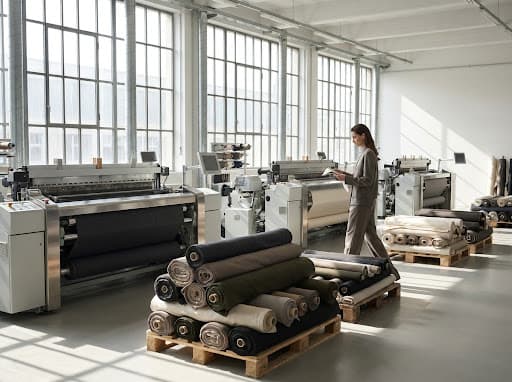
The Hari Krishna Textile Quality & Engineering team oversees weaving precision, GSM batch audits, and fiber testing under international ISO standards at our Surat mill facility.