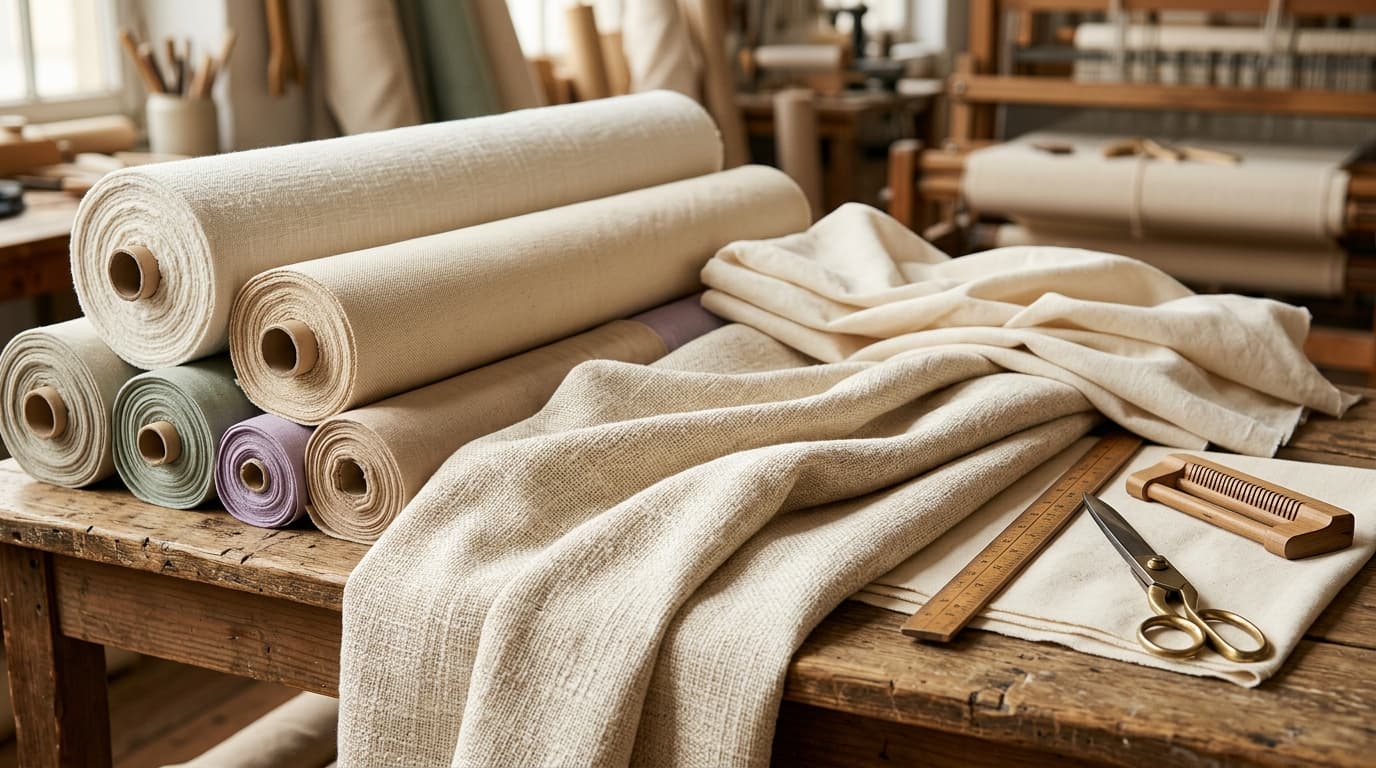

Natural latex or synthetic rubber is sourced.
Technical Specifications & Parameters
| Specification Attribute | Standard Spec |
|---|---|
| Application | Purpose/Benefit |
| Raincoats, Boots and Outdoor Jackets | Provide waterproof protection |
| Sportswear | Enhances stretch and performance |
| Streetwear Designs | Add a futuristic, stylish appeal |
| Accessories | Offers a sleek, modern aesthetic |
Introduction to Rubber Fabric
- Rubber fabric is flexible, waterproof and durable.
- It is commonly used in fashion, sportswear, industrial tools and protective gear.
- Modern innovations have improved its comfort, performance and eco-friendliness.
- Rubber fabric is ideal for outdoor jackets, industrial seals and other strong products.
History of Rubber Fabric
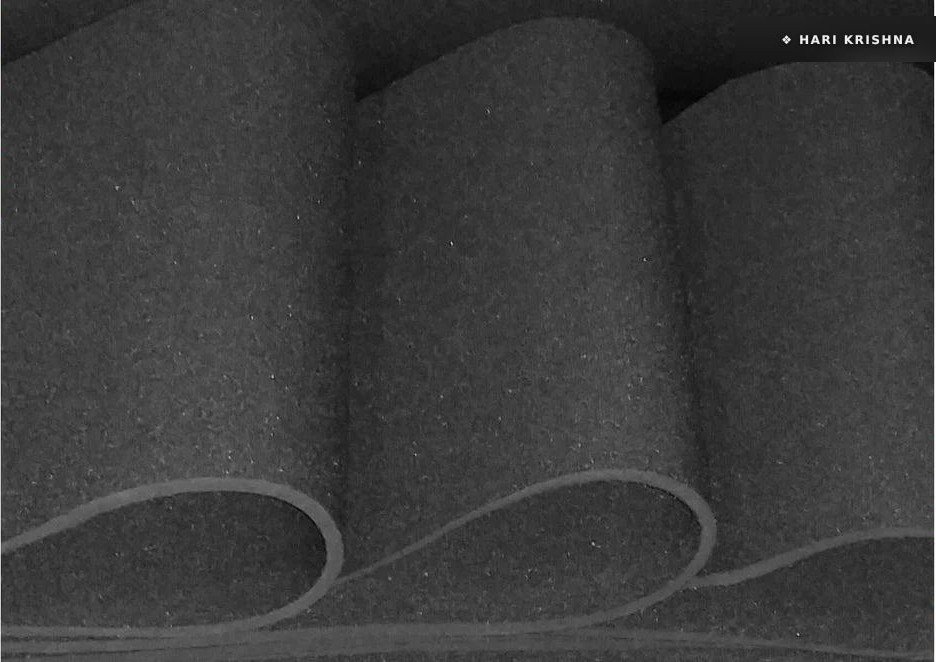
- In 1839, Charles Goodyear discovered vulcanization, improving rubber strength and durability.
- This innovation opened the way for rubberized textiles in the military, industrial and fashion sectors.
- Over time, rubber fabrics have improved from heavy and hard materials to light and flexible designs that meet today's needs.
What is Rubber Fabric?
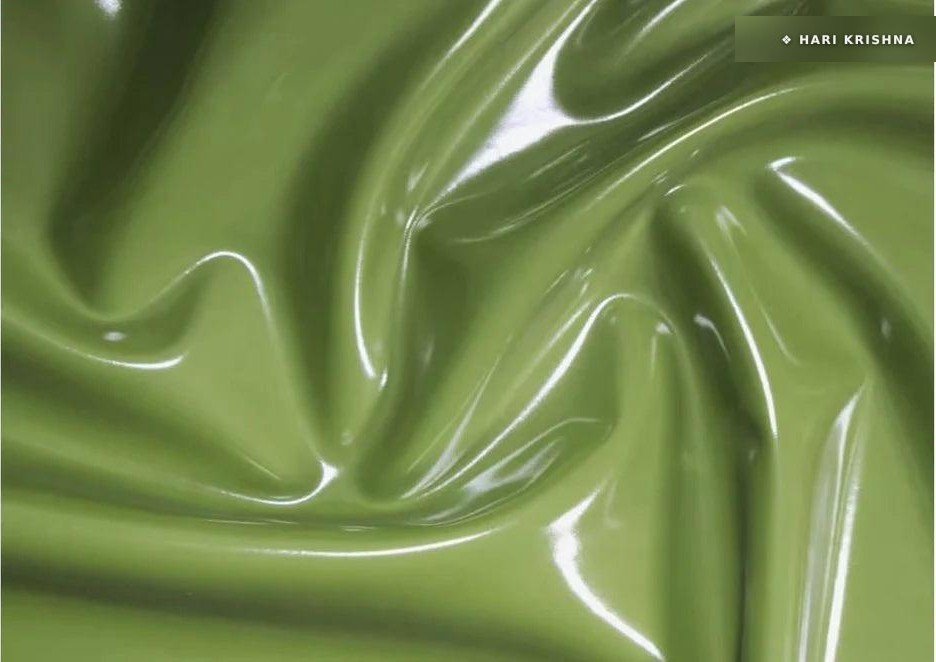
- Rubber or rubber coating fabric is an elastic material that is present in various goods of daily life.
- It is a material that is produced naturally from plants, mainly latex and through chemical processes.
- This fabric is a piece of cloth with rubber coating fabric used to improve the features of the material.
Modern Innovations in Rubber Fabric
- Better coatings make the fabric softer and more comfortable to move in.
- Eco-friendly options like rubber that break down naturally and recycled materials are becoming popular.
- New treatments make rubber more challenging and better at handling damage from use and weather.
- Special coatings help stop bacteria and bad smells.
Types of Rubber Fabric:
|
Type of Rubber Fabric |
Key Features |
Common Uses |
|
Natural Rubber Fabric |
|
|
|
Neoprene Fabric |
|
|
|
Silicone-Coated Fabric |
|
|
|
Butyl Rubber Fabric |
|
|
|
Rubberized Cotton Fabric |
|
|
|
EPDM Rubber Fabric |
|
|
Advantages of Rubber Fabric
- Rubber fabric keeps water out for a long time, offering strong protection.
- It can withstand sunlight, heat and harsh weather, making it durable.
- The fabric is soft and flexible, making it easy to use in different ways.
Disadvantages of Rubber Fabric
- Rubber fabric can be heavy in some designs, which might feel uncomfortable.
- It needs careful cleaning to stay soft and flexible.
- Natural rubber can get damaged if left in sunlight for too long.
- Some rubber fabrics may smell strong when new, but this usually fades with airing.
Sustainability and Environmental Impact
- Making traditional rubber fabric can hurt the environment.
- There are now eco-friendly options like natural latex, recycled rubber and biodegradable materials.
- Many brands use better methods to use fewer chemicals and create less waste.
Care Instruction for Rubber Fabric
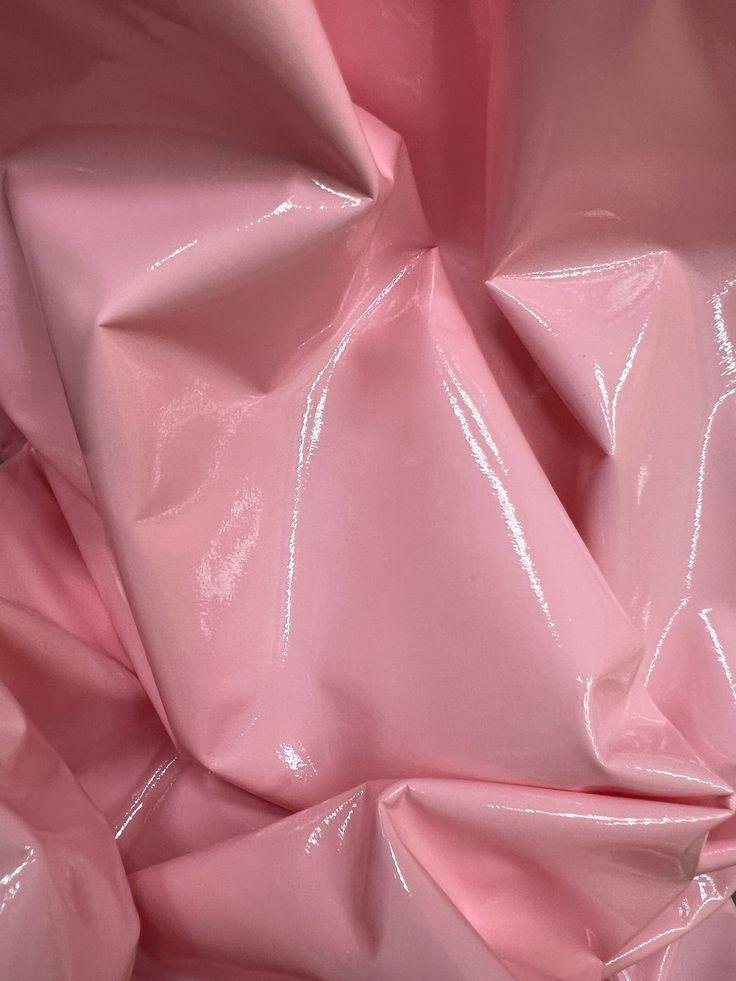
- Rubber garments should be washed in warm water with no soap or detergent.
- Excess the water with soft fabric and keep it flat to get dry.
- Do not use iron or dry clean for rubber coating fabric.
The Role of Rubber Fabric in Fashion and Design:
|
Application |
Purpose/Benefit |
|
Raincoats, Boots and Outdoor Jackets |
Provide waterproof protection |
|
Sportswear |
Enhances stretch and performance |
|
Streetwear Designs |
Add a futuristic, stylish appeal |
|
Accessories |
Offers a sleek, modern aesthetic |
Common Applications and Uses of Rubber Fabric:
|
Application Area |
Common Uses |
|
Protective Gear |
|
|
Outdoor Apparel |
|
|
Sportswear |
|
|
Industrial Use |
|
|
Medical Use |
|
|
Automotive Use |
|
Manufacturing Process of Rubber Fabric:
|
Step |
Process Description |
|
Rubber Extraction |
Natural latex or synthetic rubber is sourced. |
|
Mixing |
Rubber is blended with additives to improve flexibility and durability. |
|
Coating |
Rubber layers are applied to textiles for added strength. |
|
Curing/Vulcanization |
The fabric is heated to bond the rubber securely. |
|
Finishing |
Textures, colors and protective treatments are added to enhance performance. |
Rubber Fabric vs. Other Fabrics:
|
Aspect |
Rubber Fabric |
Cotton |
Polyester |
|
Texture & Feel |
Flexible, durable |
Soft, breathable |
Smooth, lightweight |
|
Water Resistance |
Excellent |
Limited protection |
Water-resistant when treated |
|
Durability |
Highly resistant |
Prone to wear |
Strong, resists stretching |
|
Comfort |
Stretchable |
Comfortable, natural |
Breathable but less flexible |
|
Care & Maintenance |
Needs special care |
Easy maintenance |
Low maintenance, quick drying |
Where You Can Buy Rubber Fabric
|
Store/Platform |
Features |
Best For |
|
Offers high-quality rubber fabrics with custom printing options and low MOQ for bulk orders. |
Designers who need different textures and patterns. |
|
|
Mood Fabrics |
Premium rubber fabrics for unique fashion and creative projects. |
Designers and DIYers. |
|
Amazon & Etsy |
Variety of rubber fabrics, from thin to thicker options. |
Small-scale purchases or trying out new ideas. |
|
Local Fabric Stores |
Specializes in rubber fabrics for fashion, industrial or upholstery use. |
People who want to feel the fabric before buying. |
Conclusion
Rubber fabric's durability, flexibility and waterproof properties make it an essential material in fashion, industrial gear and protective wear. With improved comfort and eco-friendly options now available, rubber fabric continues to be a trusted choice for designers and manufacturers alike. Explore quality rubber fabric options at Hari Krishna for innovative designs and reliable performance.
FAQs
What is rubber fabric?
Rubber fabric is a type of fabric that has been coated or mixed with rubber. This makes it strong, flexible and good at keeping water out.
Can rubber be used for clothes?
Yes, rubber can be used for clothes. It's often used in raincoats, boots, gloves or even in trendy clothing like rubber dresses and jackets.
Is rubber fabric waterproof?
Yes, rubber fabric is waterproof. It keeps water from getting through, making it perfect for rain gear and outdoor clothing.
What is the rubbery fabric called?
The rubbery fabric is often called "rubberized fabric" or "latex fabric," depending on how it's made. It's a fabric with rubber added to make it waterproof and durable.
Can rubber fabric be washed in a machine?
Generally, rubber fabric should be hand-washed or spot-cleaned to maintain its integrity.
Care & Maintenance Guidelines
Rubber garments should be washed in warm water with no soap or detergent.
Rubber garments should be washed in warm water with no soap or detergent.
Excess the water with soft fabric and keep it flat to get dry.
Excess the water with soft fabric and keep it flat to get dry.
Do not use iron or dry clean for rubber coating fabric.
Do not use iron or dry clean for rubber coating fabric.
Fabric Comparison Matrix
Compare key properties of Rubber Fabric against other textiles:
| Aspect | Rubber Fabric | Cotton | Polyester |
|---|---|---|---|
| Texture & Feel | Flexible, durable | Soft, breathable | Smooth, lightweight |
| Water Resistance | Excellent | Limited protection | Water-resistant when treated |
| Durability | Highly resistant | Prone to wear | Strong, resists stretching |
| Comfort | Stretchable | Comfortable, natural | Breathable but less flexible |
| Care & Maintenance | Needs special care | Easy maintenance | Low maintenance, quick drying |
Pros & Limitations
- Rubber fabric keeps water out for a long time, offering strong protection.
- It can withstand sunlight, heat and harsh weather, making it durable.
- The fabric is soft and flexible, making it easy to use in different ways.
- Rubber fabric can be heavy in some designs, which might feel uncomfortable.
- It needs careful cleaning to stay soft and flexible.
- Natural rubber can get damaged if left in sunlight for too long.
Frequently Asked Questions
Rubber fabric is a type of fabric that has been coated or mixed with rubber. This makes it strong, flexible and good at keeping water out.
Was this fabric wiki guide helpful?
Your feedback helps our textile team continuously refine our specs.
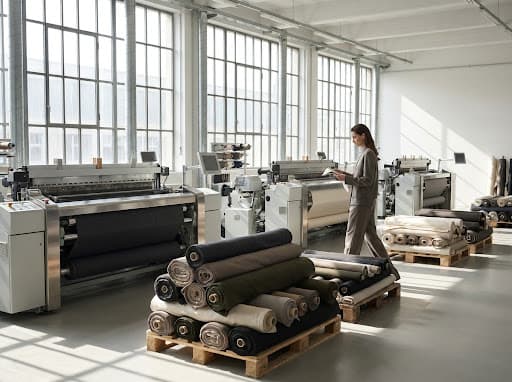
Hari Krishna Fabric Experts
Textile Mill & Quality Engineering Team
The Hari Krishna Textile Quality & Engineering team oversees weaving precision, GSM batch audits, and fiber testing under international ISO standards at our Surat mill facility.