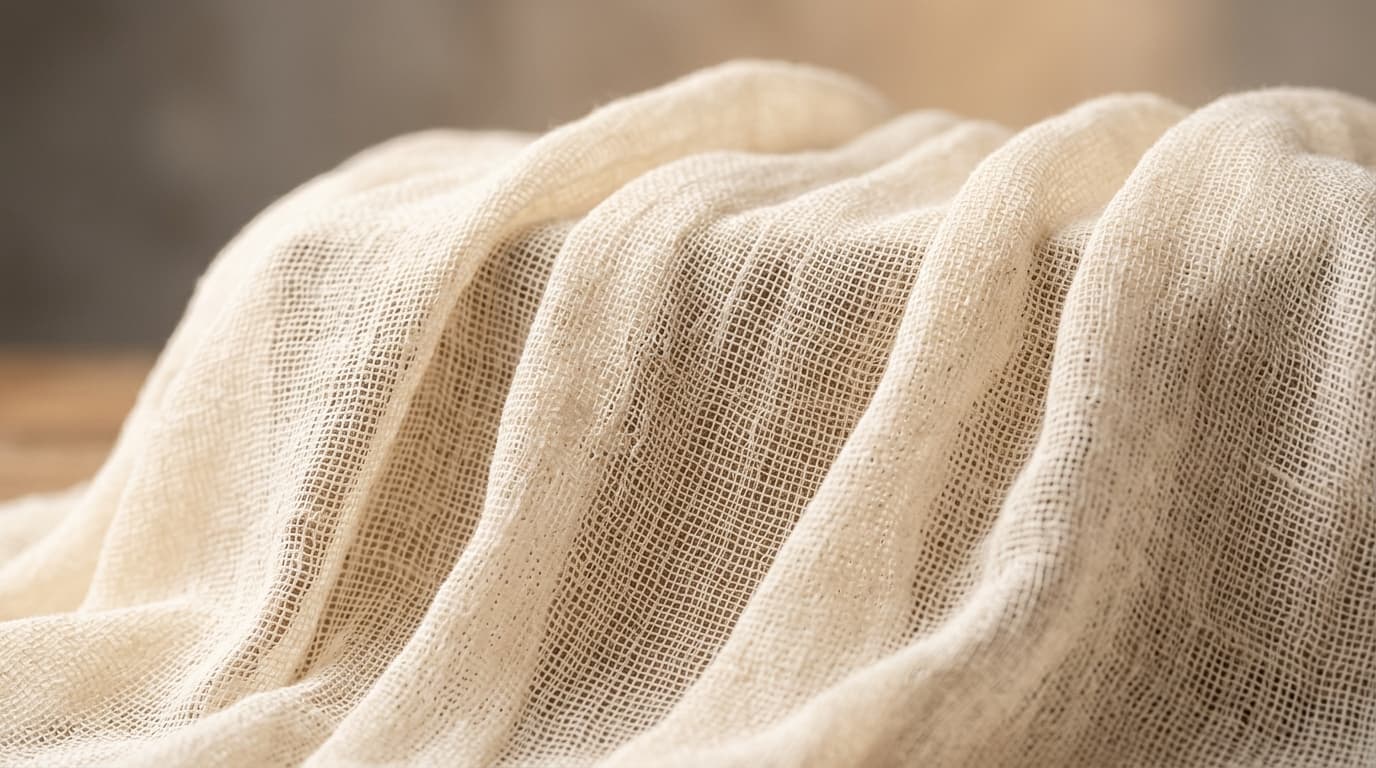
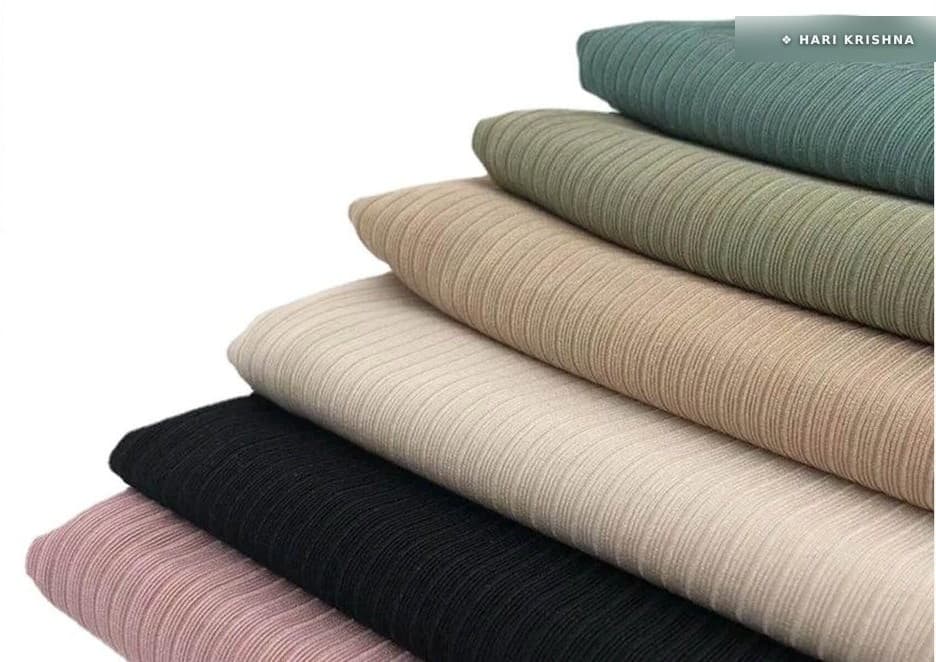
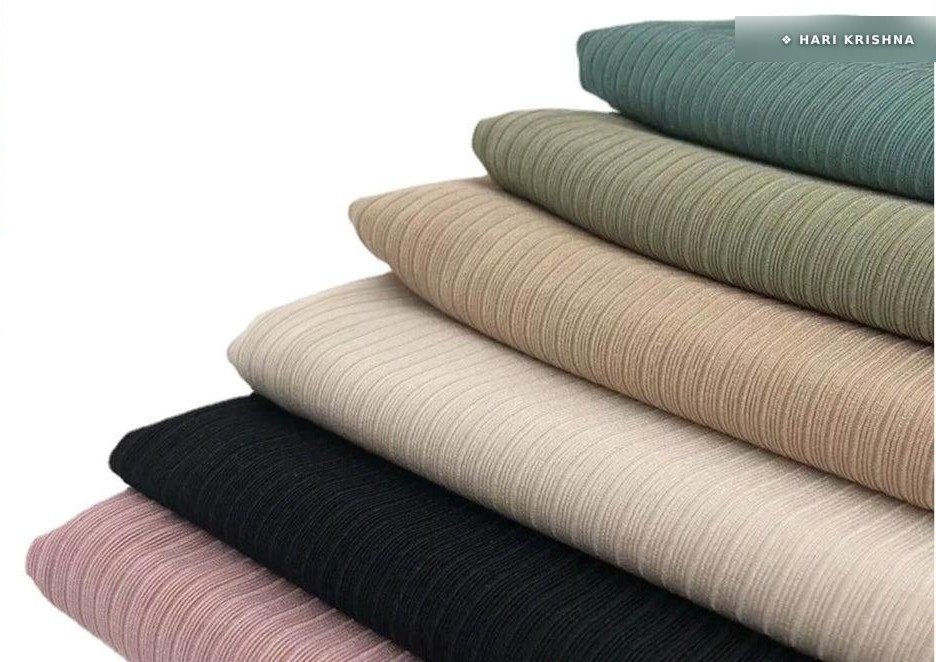
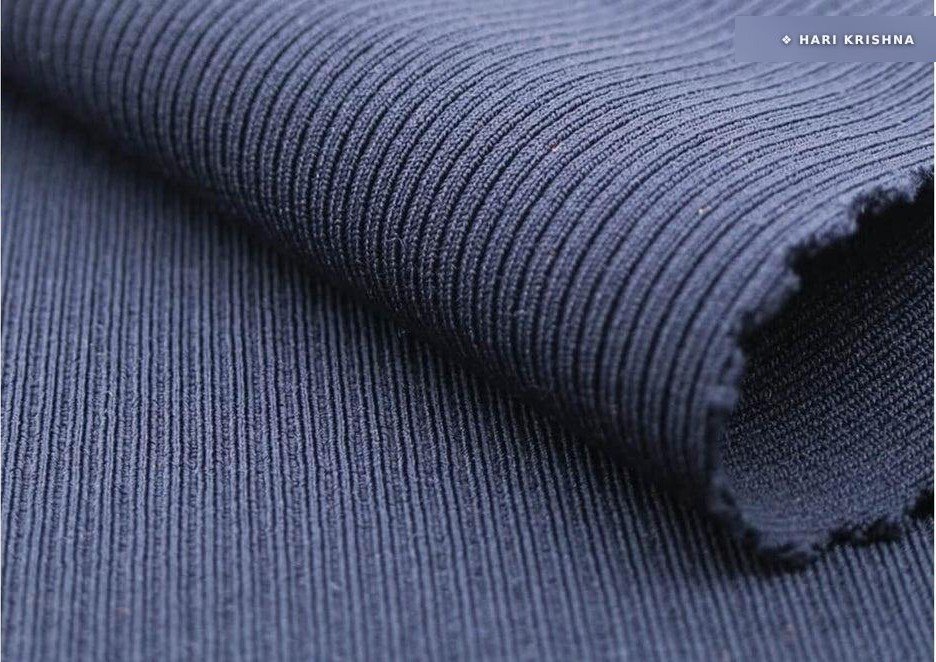
The fabric is soft to the touch and has a ribbed texture.
Technical Specifications & Parameters
| Specification Attribute | Standard Spec |
|---|---|
| Texture | The fabric is soft to the touch and has a ribbed texture. |
| Shine | Rib knit fabric is dull in appearance. |
| Sheer | It is heavier in weight and has a great amount of thickness. |
What is Rib Knit?
- Rib knit is a form of knit fabric that is made by knitting with two needles to make a fabric that has textured lines running vertically.
- Repeating a particular number of knit stitches (which are more noticeable) and a certain number of purl stitches (which form the groove between the ribs) a given number of times along the breadth of the cloth results in the creation of vertical ribs (which are usually made and sold in circular pieces, without any selvedge).
- The stitch pattern for a 2x2 rib knit will consist of a series of two knits followed by two purls. In addition, a variety of rib knits are at your disposal (e.g., 1x1, 2x2, 3x3, or 6x6).
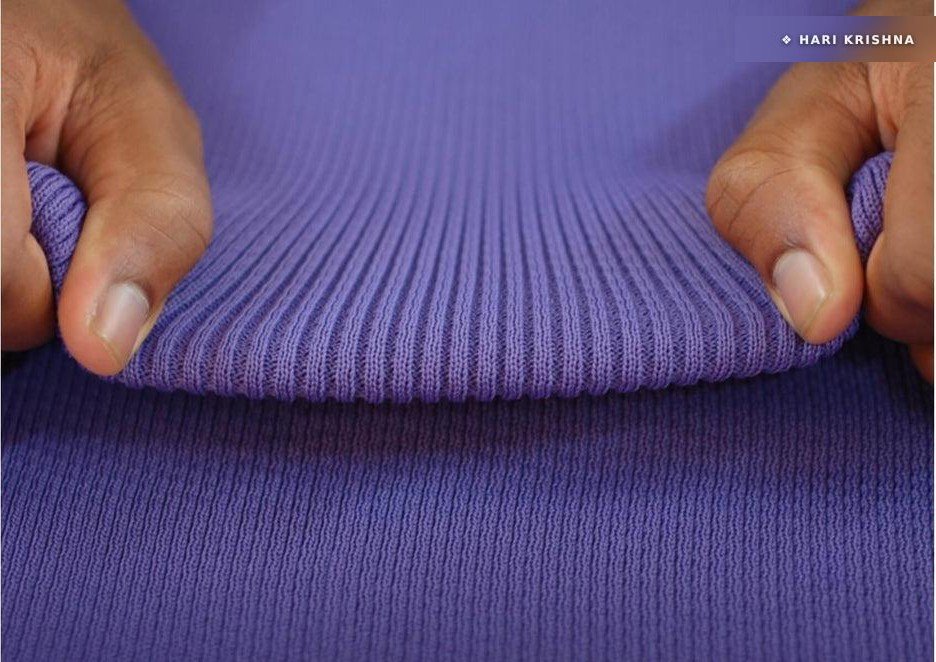
- Ribbed knits include wales, which are also known as vertical rows of stitches, that create ribs on both the face and the back of the fabric, giving the impression that the two sides of the fabric are the same.
- Ribbed knits are often composed of one hundred percent cotton, but they may also be made of spandex, rayon, wool, and other fiber combinations.
- Keep in mind that the first number indicates the rows that are knitted, while the second one indicates the rows that are purled.
History
- Knitting is said to have started in the Middle East somewhere around the 5th century and then made its way to Europe shortly after that with wool merchants.
- Cotton fibers, not wool, were used in the early specimens of knitting that have been discovered in Egypt, which is an interesting discovery.
- A good many of them feature Arabic blessings or symbols that are meant to fend off misfortune sewn into them. Knitting was a type of textile production that was employed by fishermen in the 14th century to manufacture jumpers out of wool that was waterproof, warm, and weatherproof.
- Already in the 16th century, knitting machines were being put to use to create hosiery for the upper classes.
- Knitting is said to have started in the Middle East somewhere around the 5th century and then made its way to Europe shortly after that with wool merchants. Cotton fibers, not wool, were used in the early specimens of knitting that have been discovered in Egypt, which is an interesting discovery.
- Knitting was a type of textile production that was employed by fishermen in the 14th century to manufacture jumpers out of wool that was waterproof, warm, and weatherproof.
- Already in the 16th century, knitting machines were being put to use to create hosiery for the upper classes.
What Makes it Stand Out
|
Texture |
The fabric is soft to the touch and has a ribbed texture. |
|
Shine |
Rib knit fabric is dull in appearance. |
|
Sheer |
It is heavier in weight and has a great amount of thickness. |

Applications & Usage
|
Clothing |
|
|
Accessories |
Cuffs, neckbands, waistbands, etc. |
Care Instructions
- It is possible to prewash a rib knit fabric at a warm temperature, and then dry the cloth using the medium-dry cycle.
- If you want your finished items to remain in excellent condition after you have sewn them, you should not dry them in the dryer.
- The reason for this is that after two or three cycles in the dryer, fluff balls will start to develop on your rib knit if it has rayon in the material.
- After that, lay them down flat on top of a towel to dry so that they don't expand. If you follow those steps, your rib-knit clothing will continue to look brand new even after many years have passed.
- The creases may be removed most effectively by steaming and pressing them, or by using an iron set to the wool setting and turned halfway inside out.
Care & Maintenance Guidelines
It is possible to prewash a rib knit fabric at a warm temperature, and then dry the cloth using the medium
dry cycle.
If you want your finished items to remain in excellent condition after you have sewn them, you should not dry them in the dryer.
If you want your finished items to remain in excellent condition after you have sewn them, you should not dry them in the dryer.
The reason for this is that after two or three cycles in the dryer, fluff balls will start to develop on your rib knit if it has rayon in the material.
The reason for this is that after two or three cycles in the dryer, fluff balls will start to develop on your rib knit if it has rayon in the material.
After that, lay them down flat on top of a towel to dry so that they don't expand. If you follow those steps, your rib
knit clothing will continue to look brand new even after many years have passed.
The creases may be removed most effectively by steaming and pressing them, or by using an iron set to the wool setting and turned halfway inside out.
The creases may be removed most effectively by steaming and pressing them, or by using an iron set to the wool setting and turned halfway inside out.
Frequently Asked Questions
Was this fabric wiki guide helpful?
Your feedback helps our textile team continuously refine our specs.
Hari Krishna Fabric Experts
Textile Mill & Quality Engineering Team
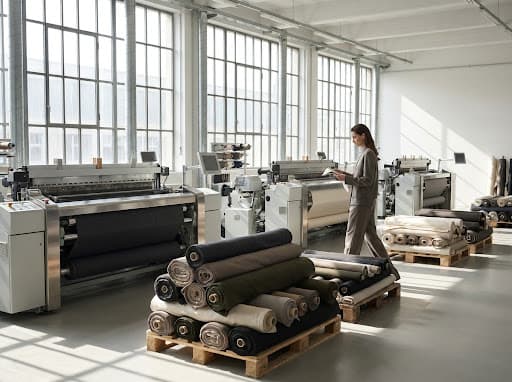
The Hari Krishna Textile Quality & Engineering team oversees weaving precision, GSM batch audits, and fiber testing under international ISO standards at our Surat mill facility.