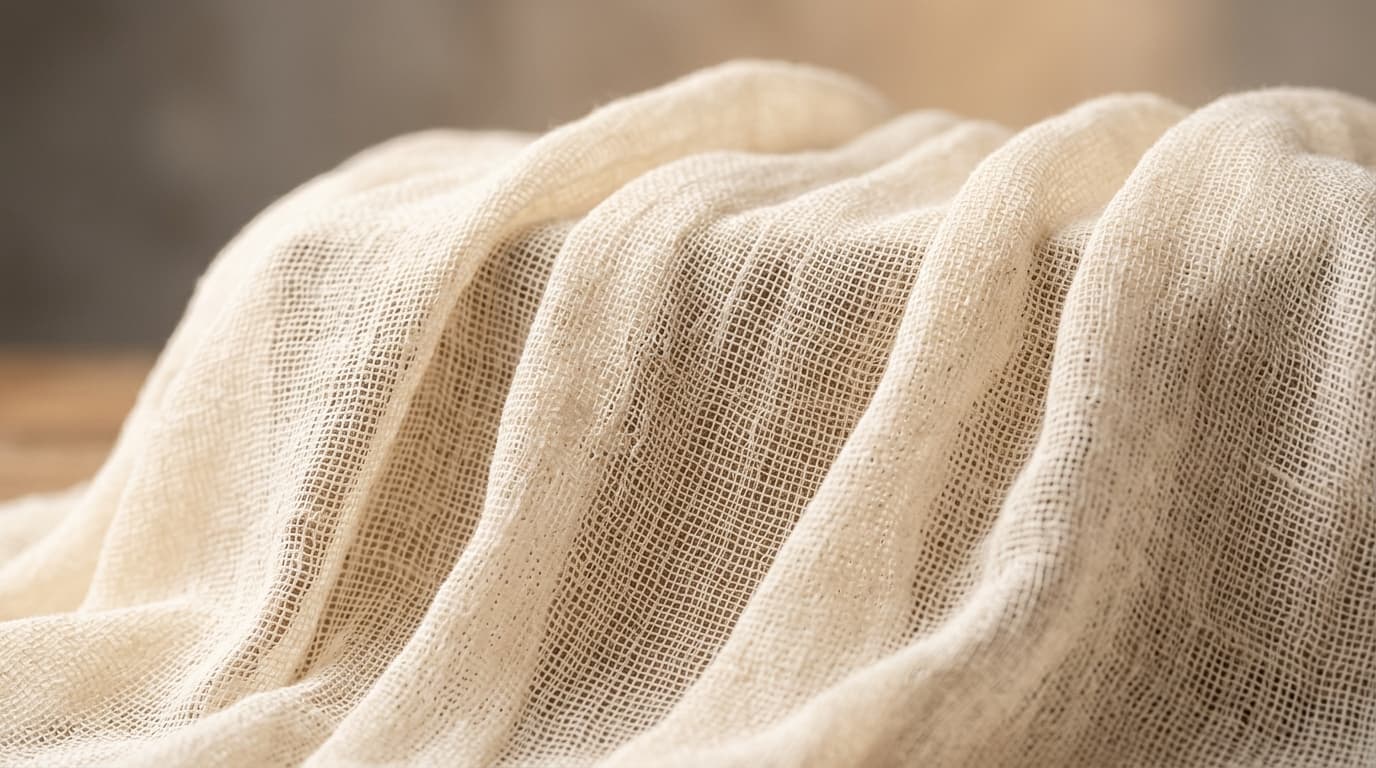
This fabric is of plain weave which gives a beautiful appearance to the material.
Technical Specifications & Parameters
| Specification Attribute | Standard Spec |
|---|---|
| Plain weave | This fabric is of plain weave which gives a beautiful appearance to the material. |
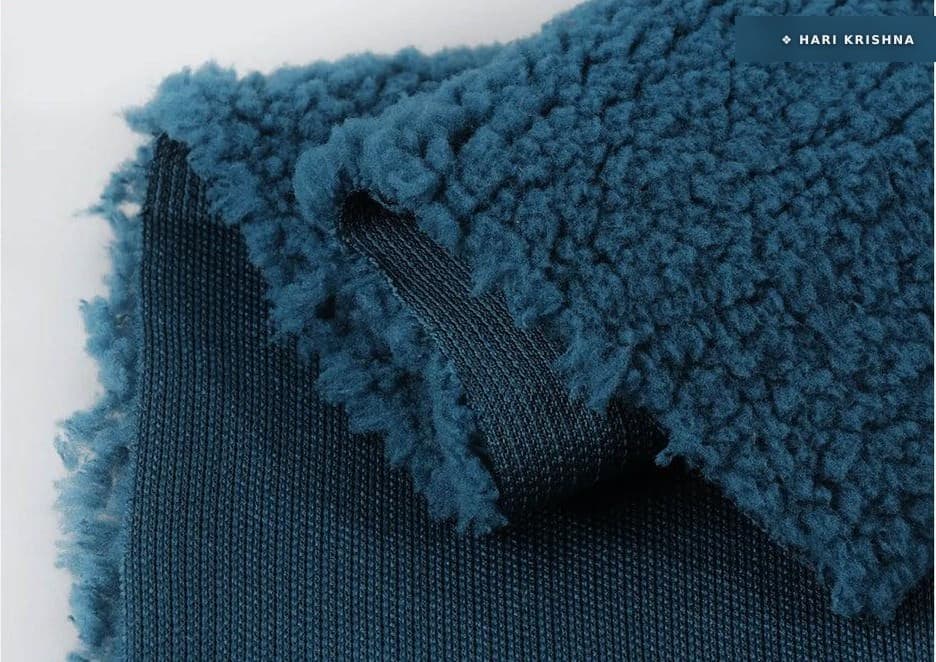
| Soft texture | Brushed texture of this material makes it one of the softest fabrics. |
What is Ratine fabric
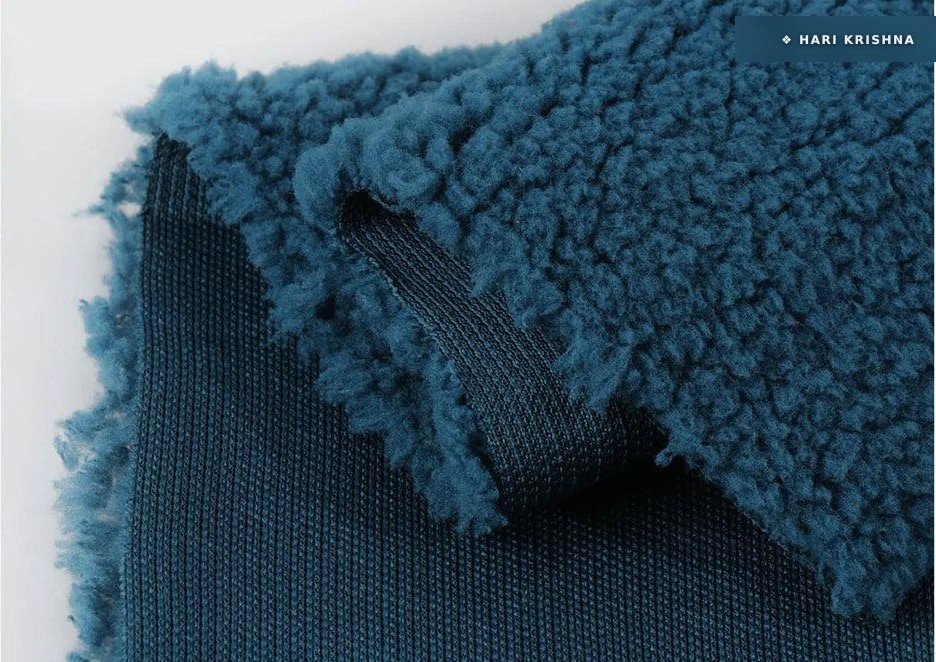
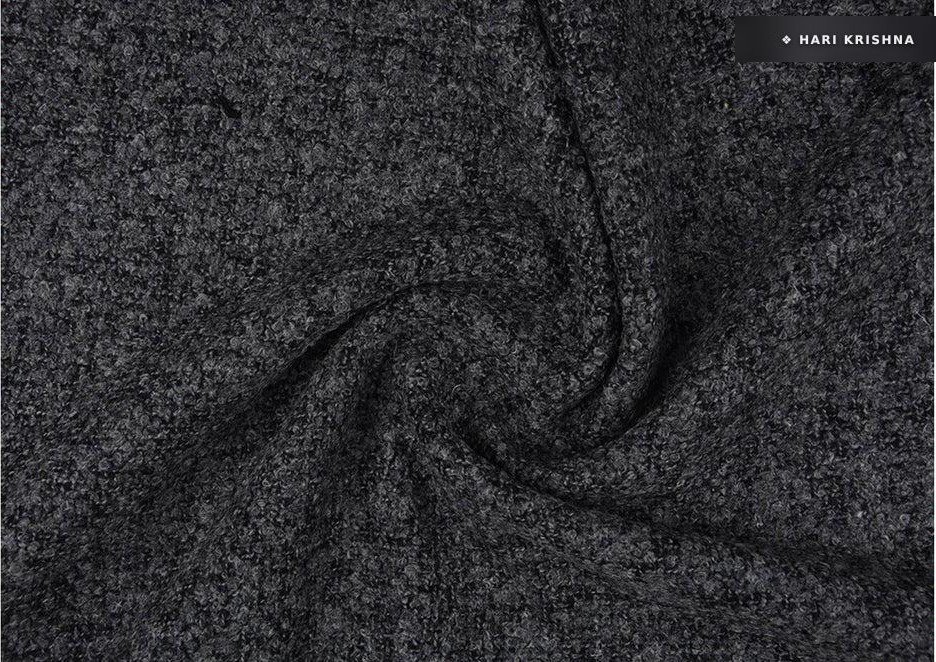
- The French term "ratine" refers to a particular kind of wool fabric that has been brushed to give it a fluffy and curly appearance that increases the fabric's durability and weather resistance.
- A simple weave cloth with a loosely twisted construction made from beautiful ratiné yarn. Silk, worsted, rayon, cotton, or mixes are also often used in its construction.
- The fabric has a surface that is rough and covered with small loops that resemble nubs.
- Three countries—France, Italy, and Holland—produced Ratteen.
History of Ratine fabric
- This procedure is based on extremely ancient knowledge that was once created by hand, perhaps using a stick or thistles. The procedure was then automated using a unique device.
- The Casentino fabric, originally used by monks, coachmen, and Tuscan mountain inhabitants, was first made into coats by Florentine men towards the end of the nineteenth century.
What makes it stand out
|
Plain weave |
This fabric is of plain weave which gives a beautiful appearance to the material. |
|
Soft texture |
Brushed texture of this material makes it one of the softest fabrics. |
Application
|
Clothing |
Coats, dresses and suits |
Care instruction
- Due to its soft texture, it is advisable to use hand wash instead of machine wash,
- Use room temperature for water as hot water could damage the yarns,
- Softly hang the fabric to dry it,
- Use normal temperature when doing iron.
Care & Maintenance Guidelines
Due to its soft texture, it is advisable to use hand wash instead of machine wash,
Due to its soft texture, it is advisable to use hand wash instead of machine wash,
Use room temperature for water as hot water could damage the yarns,
Use room temperature for water as hot water could damage the yarns,
Softly hang the fabric to dry it,
Softly hang the fabric to dry it,
Use normal temperature when doing iron.
Use normal temperature when doing iron.
Frequently Asked Questions
Was this fabric wiki guide helpful?
Your feedback helps our textile team continuously refine our specs.
Hari Krishna Fabric Experts
Textile Mill & Quality Engineering Team
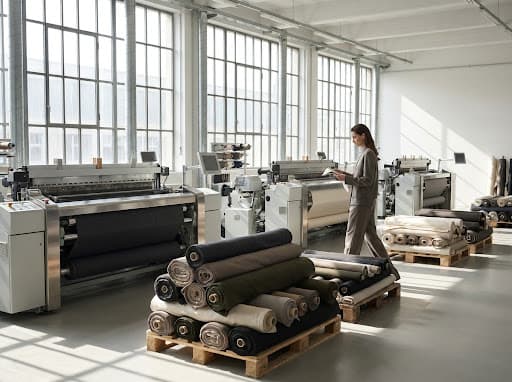
The Hari Krishna Textile Quality & Engineering team oversees weaving precision, GSM batch audits, and fiber testing under international ISO standards at our Surat mill facility.