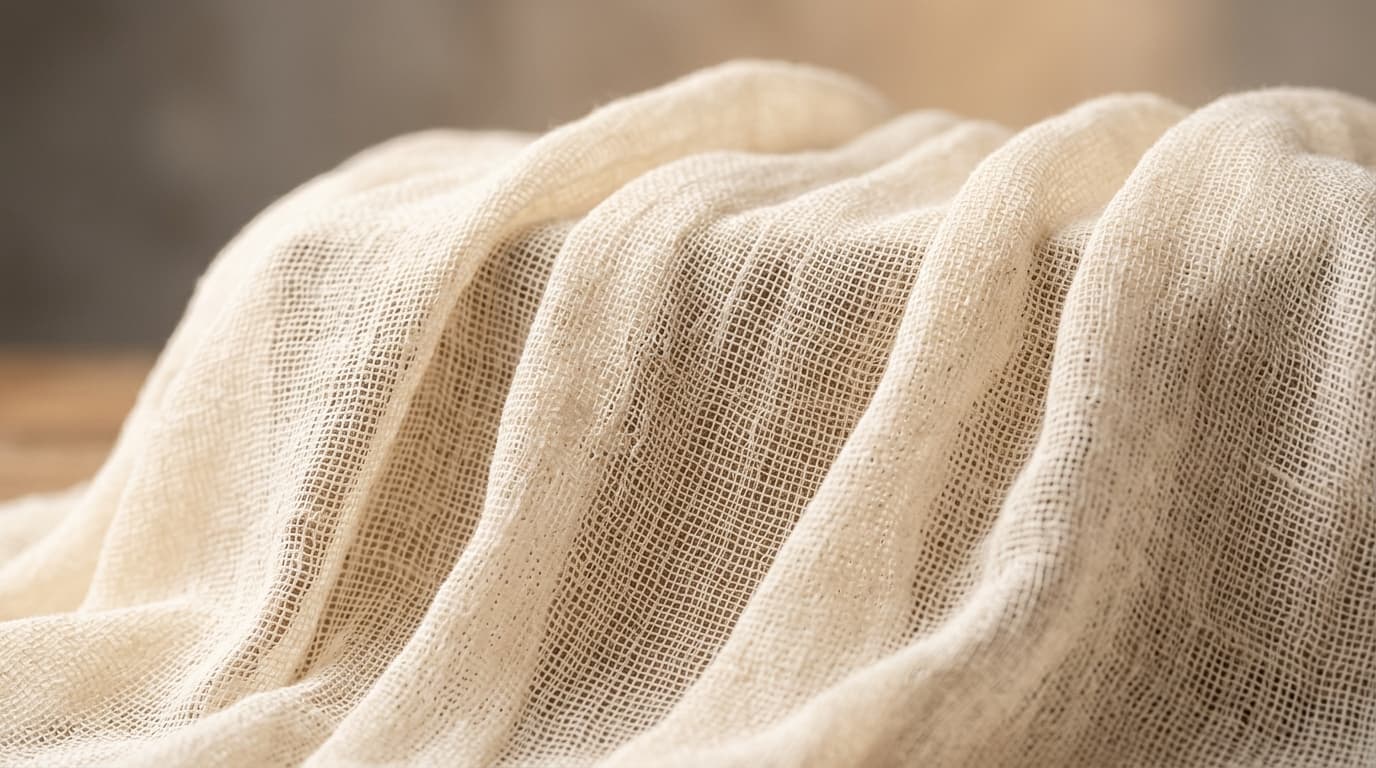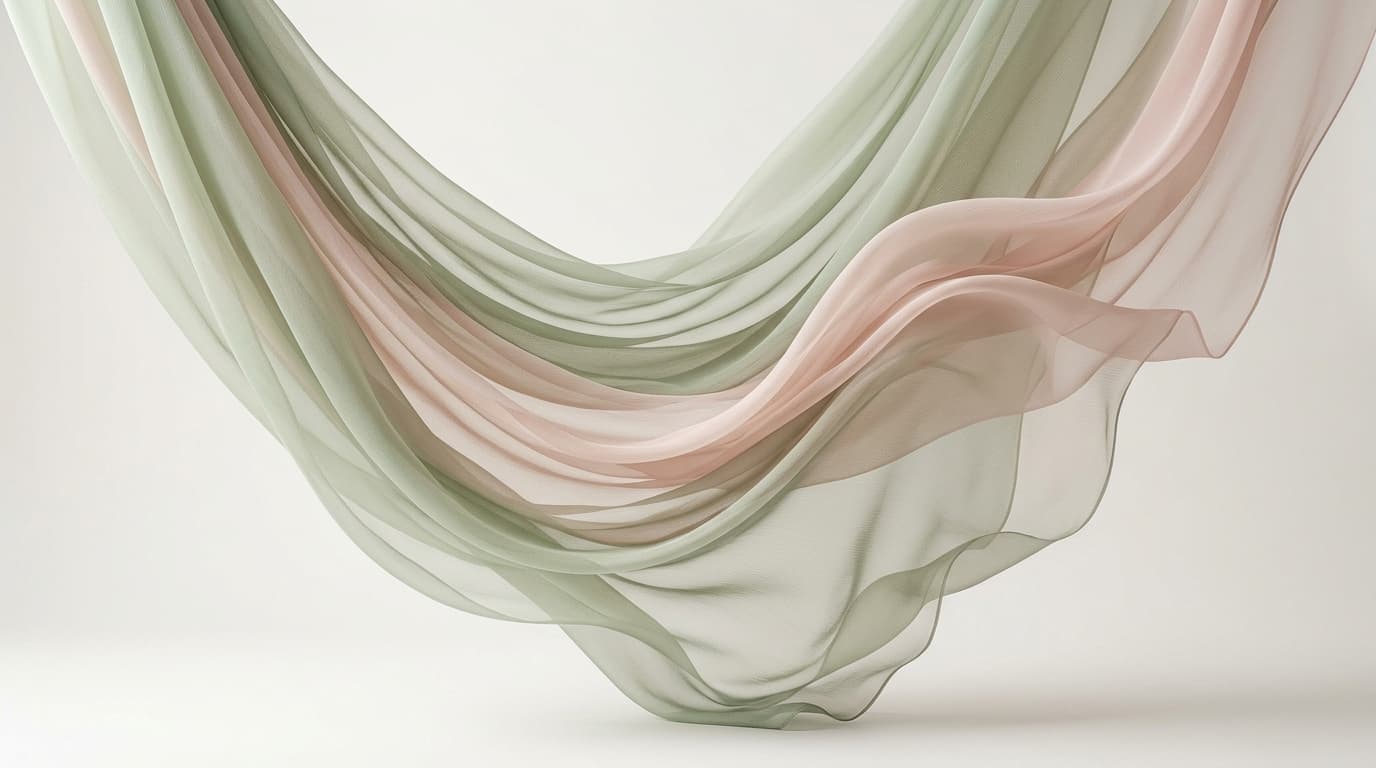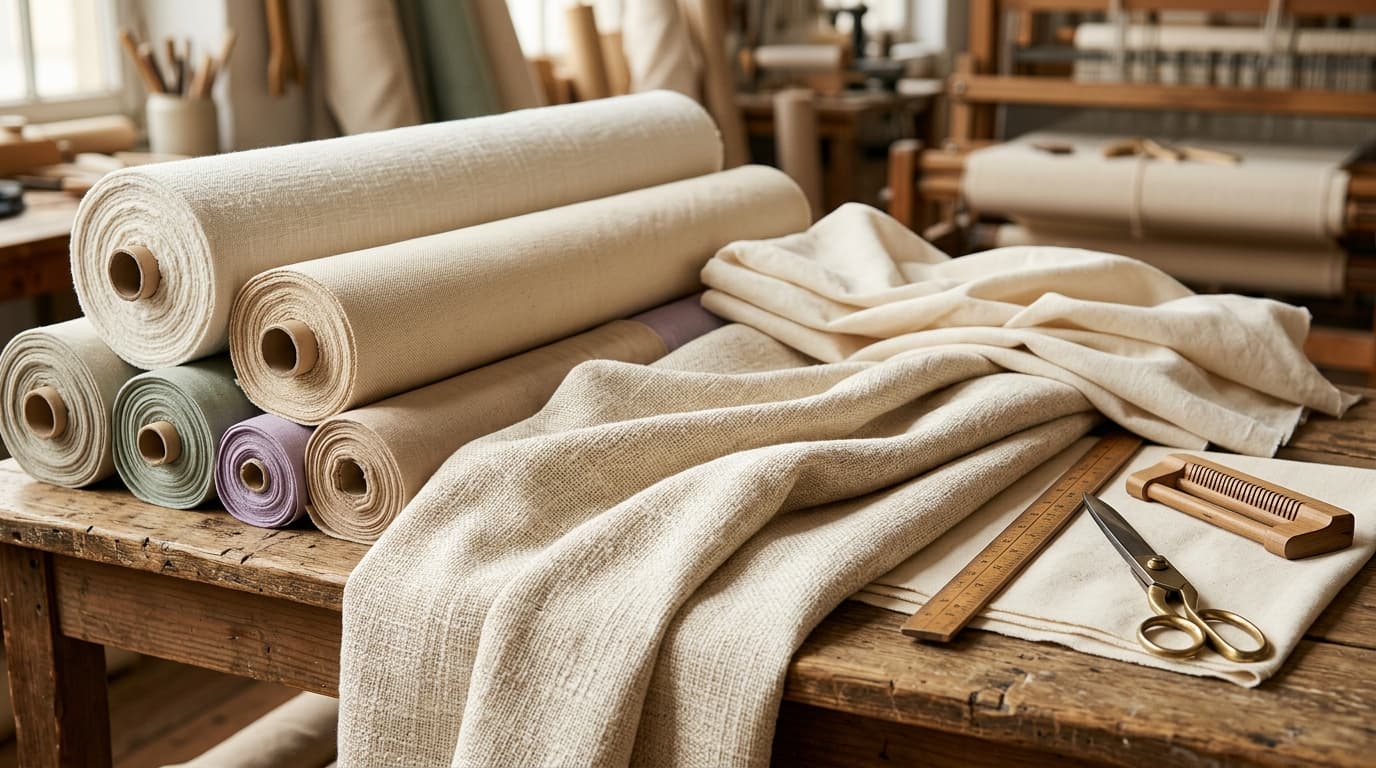

This smooth fabric is soft and doesn't wrinkle because of the way it was woven. Two woven yarns were mixed with a yarn with a higher grammage, which makes the fabric both smooth and soft.
Technical Specifications & Parameters
| Specification Attribute | Standard Spec |
|---|---|
| Plain Oxford Fabric | This smooth fabric is soft and doesn't wrinkle because of the way it was woven. Two woven yarns were mixed with a yarn with a higher grammage, which makes the fabric both smooth and soft. |
| Pinpoint Oxford | Pinpoint Oxford is a kind of Oxford fabric that is made with finer yarn and a tighter basket weave, making it softer and smoother than regular Oxford cloth. The sheen isn't as strong as Royal Oxford's. Its strands are thinner and lighter than those used to make standard Oxford fabric, but thicker than those used to make the Royal Oxford variety. Clothes made from pinpoint fabric are very comfortable, but people should be careful around sharp objects when wearing them. |
| Royal Oxford | It's the sleekest of the Oxford weaves and has the usual sheen and feel. Produced from even finer and lighter threads than those used in normal Oxford and pinpoint Oxford, this fabric is noticeably smoother, shinier, and finer than its counterparts. It has a more noticeable texture and noticeable yarn shine because of its more prominent and complex weave than a pinpoint or standard Oxford. Royal Oxford is a great choice for formal events. |
What is Oxford Fabric ?
- Oxford cloth is a type of woven fabric used to make dress shirts. It is a basket-weave fabric that is sometimes used to make Oxford shirts, which can be worn in both formal and casual settings.
- Oxford fabric's widespread appeal stems from its versatile design and high production volume.
- Cotton was formerly the primary fiber used in making Oxford weave, but presently a wide variety of alternative fibers, including polyester, viscose, and other synthetic fibers, are employed.

History
- At the beginning of the 19th century, Scotland was the center of textile manufacturing across all of Europe.
- One mill, the identity of which is not known, was attempting to perfect some innovative weaves. They introduced four new products into the market and named them after the four most prestigious educational institutions of the time: Yale, Harvard, Cambridge, and Oxford.
- However, the manufacture of Oxford cloth has continued right up to the present day, in contrast to the other three weaves, which were discontinued since they did not prove to be particularly popular.

Types of Oxford Fabric
|
Plain Oxford Fabric |
This smooth fabric is soft and doesn't wrinkle because of the way it was woven. Two woven yarns were mixed with a yarn with a higher grammage, which makes the fabric both smooth and soft. |
|
Pinpoint Oxford |
Pinpoint Oxford is a kind of Oxford fabric that is made with finer yarn and a tighter basket weave, making it softer and smoother than regular Oxford cloth. The sheen isn't as strong as Royal Oxford's. Its strands are thinner and lighter than those used to make standard Oxford fabric, but thicker than those used to make the Royal Oxford variety. Clothes made from pinpoint fabric are very comfortable, but people should be careful around sharp objects when wearing them. |
|
Royal Oxford |
It's the sleekest of the Oxford weaves and has the usual sheen and feel. Produced from even finer and lighter threads than those used in normal Oxford and pinpoint Oxford, this fabric is noticeably smoother, shinier, and finer than its counterparts. It has a more noticeable texture and noticeable yarn shine because of its more prominent and complex weave than a pinpoint or standard Oxford. Royal Oxford is a great choice for formal events. |
What Makes it Stand Out
|
Texture |
Oxford textiles contain very fine textures and a weight that is just slightly heavier than average. |
|
Durable |
The basket type of weaving gives the fabric durable and breathable properties. |
|
Resistant |
The fabric is a good resistance to abrasion and chemical agents. |

Applications & Usage
|
Clothing |
Shirts, pants, dresses, etc. |
|
Pillow covers, wall hangings, window treatment, etc. |
|
|
Accessories |
Backpacks, tents, hunting and fishing equipment's, suitcases, etc. |
Care Instructions
- Cotton fibers can be ironed, washed, and dried at high temperatures; synthetic textiles should not be ironed; they should be washed and dried at medium or moderate heat. Synthetic materials should not be ironed.
- Additionally, the more you use it, the more pliable it will become.
- When washing this fabric, do not use bleach of any kind.

Care & Maintenance Guidelines
Cotton fibers can be ironed, washed, and dried at high temperatures; synthetic textiles should not be ironed; they should be washed and dried at medium or moderate heat. Synthetic materials should not be ironed.
Cotton fibers can be ironed, washed, and dried at high temperatures; synthetic textiles should not be ironed; they should be washed and dried at medium or moderate heat. Synthetic materials should not be ironed.
Additionally, the more you use it, the more pliable it will become.
Additionally, the more you use it, the more pliable it will become.
When washing this fabric, do not use bleach of any kind.
When washing this fabric, do not use bleach of any kind.
Frequently Asked Questions
Was this fabric wiki guide helpful?
Your feedback helps our textile team continuously refine our specs.
Hari Krishna Fabric Experts
Textile Mill & Quality Engineering Team
The Hari Krishna Textile Quality & Engineering team oversees weaving precision, GSM batch audits, and fiber testing under international ISO standards at our Surat mill facility.