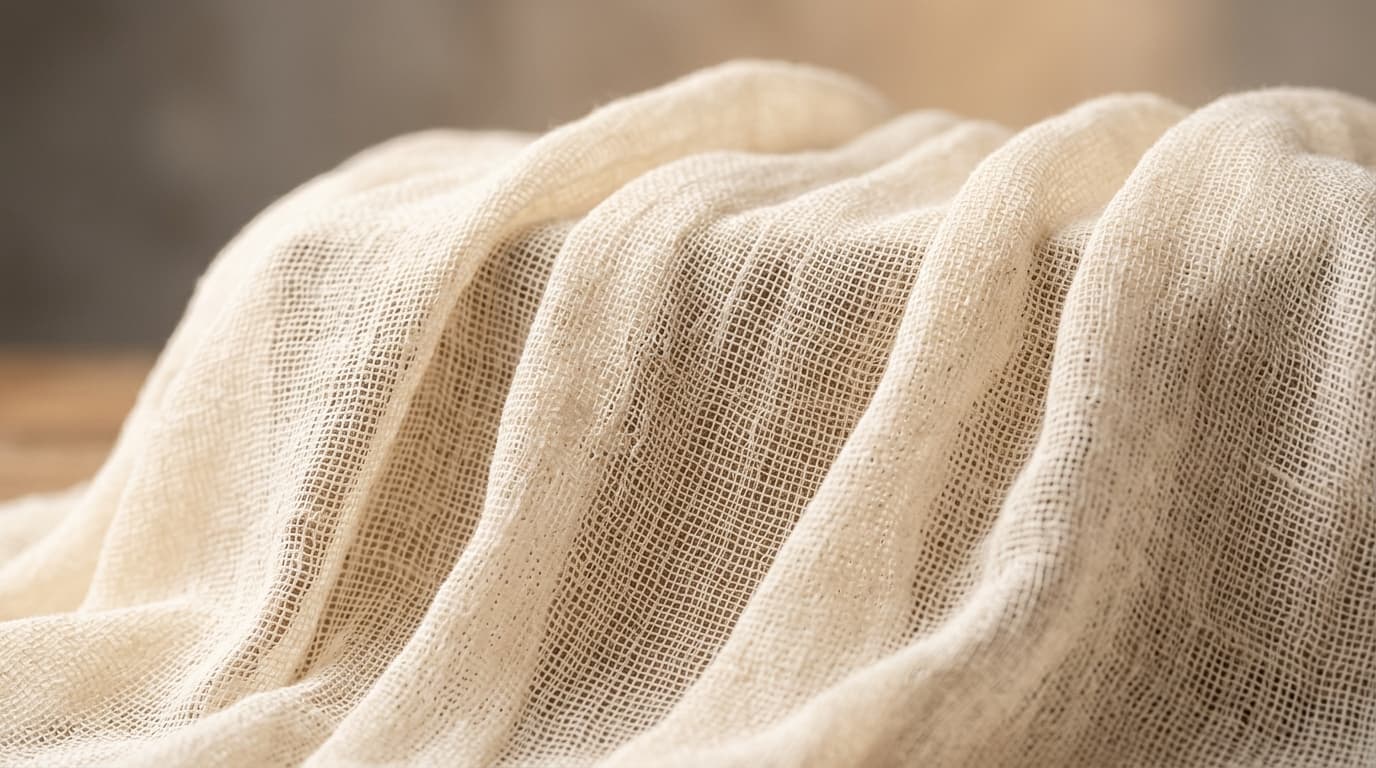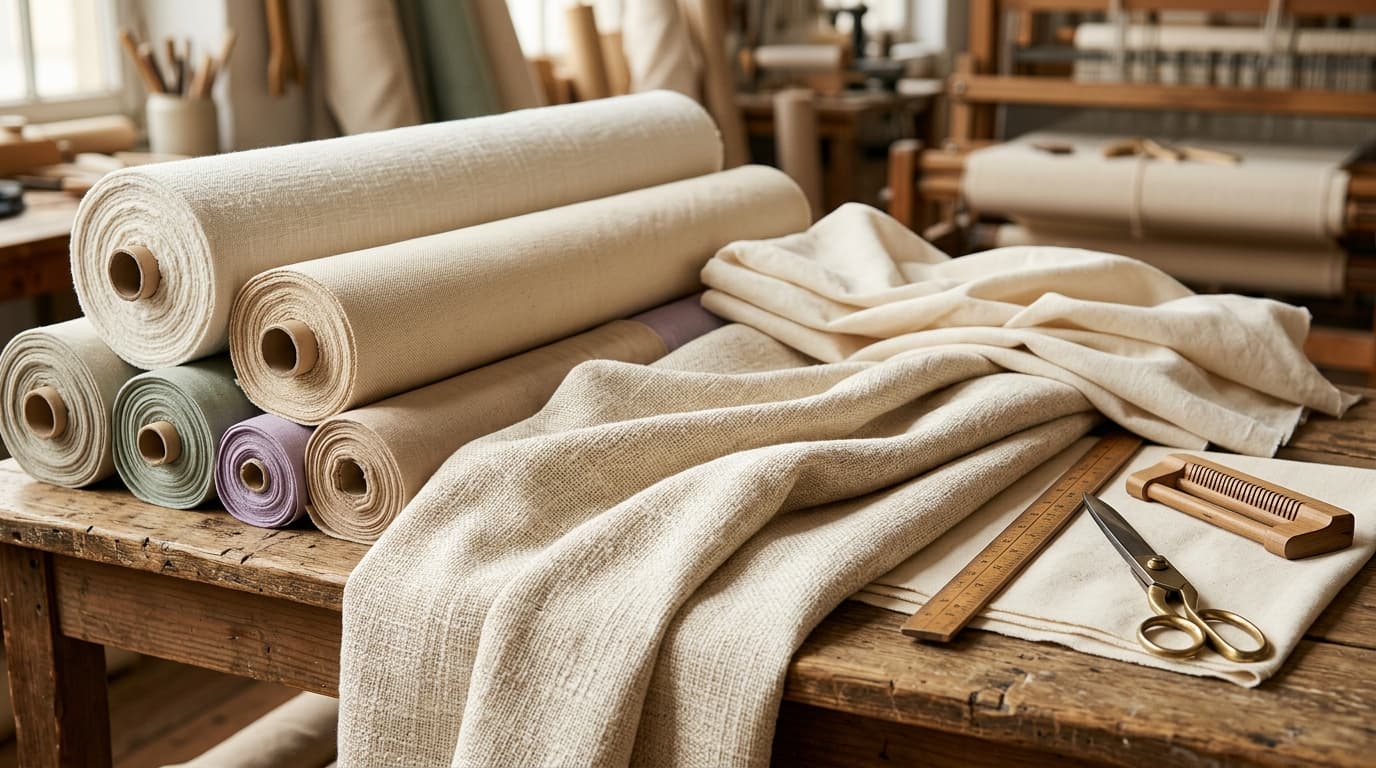
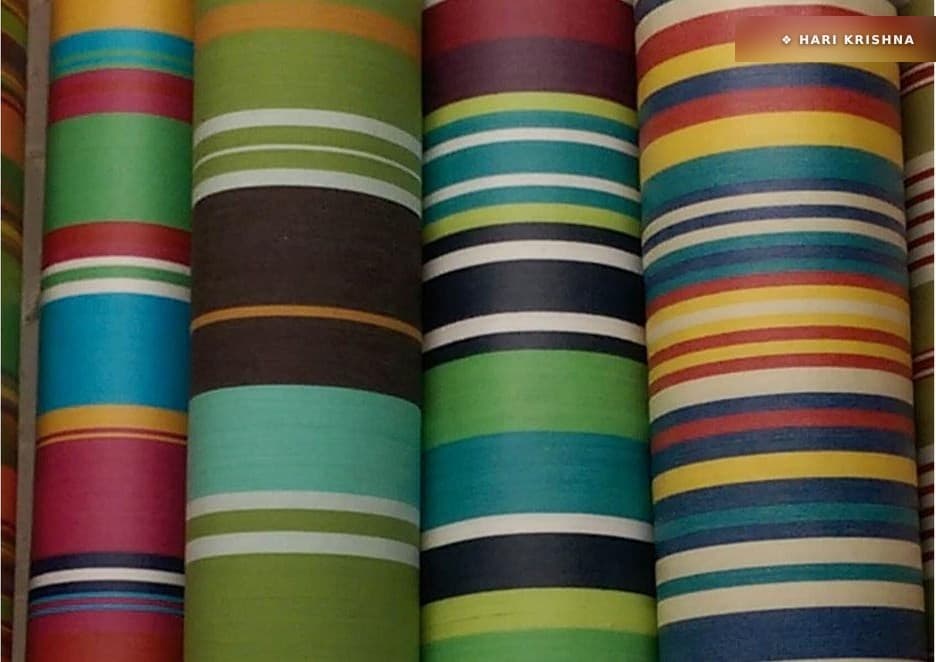
Due to its unique coating, oilcloth is waterproof.
Technical Specifications & Parameters
| Specification Attribute | Standard Spec |
|---|---|
| Texture | It is smooth, and slippery in texture. |
| Waterproof | Due to its unique coating, oilcloth is waterproof. |
| Durable | The high density of the fabric makes it durable and strong. |
What is Oil Cloth?
- There are a few other names for oil cloth, including American cloth and enameled cloth.
- In the past, it was often a tightly woven linen fabric that was coated with boiled linseed oil to give it a watertight characteristic.
- Cotton with a PVC or vinyl covering is sometimes used to make modern oil cloth.
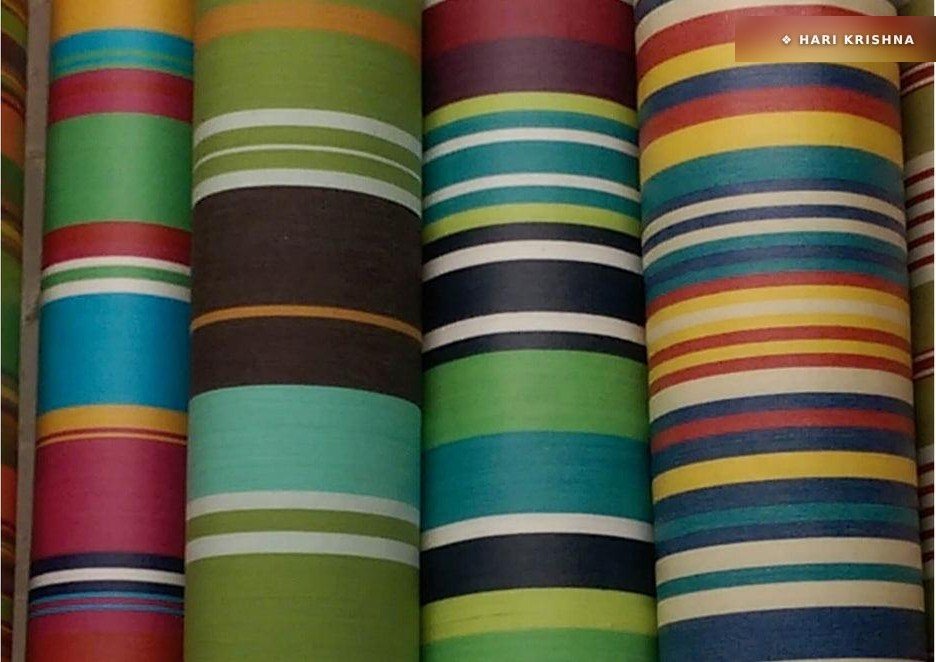
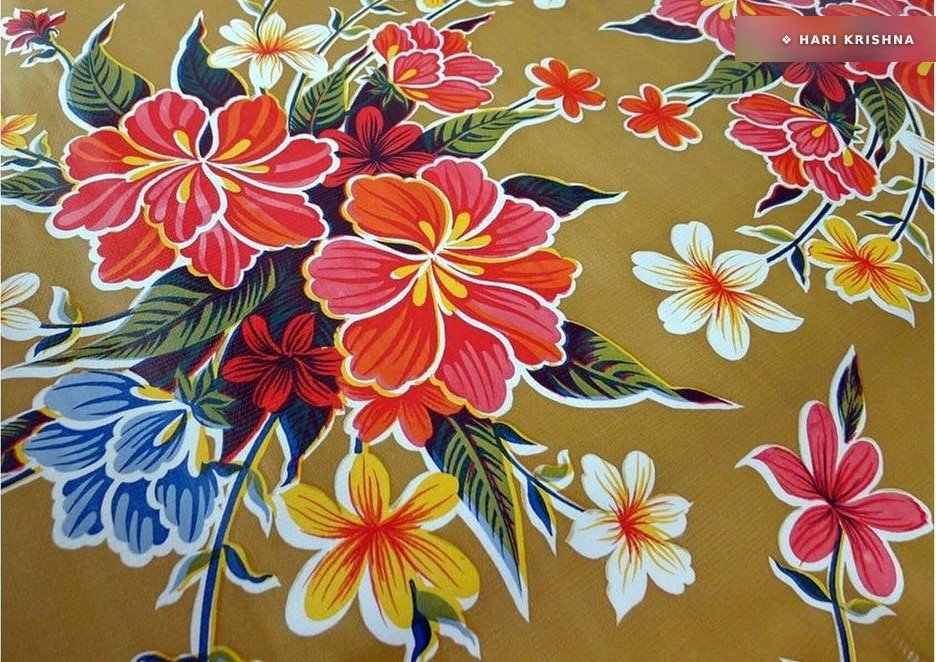
- This textile may be produced using a variety of designs, patterns, and colors.
History
- The original oilcloths were designed to be used as rugs on the wooden floors that were common in English households throughout the 17th century.
- In addition to that, they were used as covers for roofs that leaked.
- Sheets of linen fabric were stretched on a frame by skilled artisans, and after going through a sizing procedure, the fabric was ready to be painted on.
- It was at this moment that the oilcloths began to take on new life and undergo significant change.
- As skilled craftsmen tried out this new kind of useful art, they came up with many different designs.
- After the pattern had been painted onto the fabric, it was given many coats of linseed oil so that it would not fade.
- This kind of artistic expression was brought to the Americas by way of the Atlantic Ocean, where it was put to use in decorating the floors of colonial dwellings. Later, yarn carpets took the place of floorcloths, and oilcloths were turned into tablecloths as the textile industry grew.
What Makes it Stand Out
|
Texture |
It is smooth, and slippery in texture. |
|
Waterproof |
Due to its unique coating, oilcloth is waterproof. |
|
Durable |
The high density of the fabric makes it durable and strong. |

Applications & Usage
|
Tablecloths, mat, pillow covers, drawer linings, etc. |
|
|
Accessories |
Lunch bags, tents, bags, etc. |
Care Instructions
- Directly after usage or as soon as possible after a spill, you should be able to wipe clean any oilcloth or linen acrylic using a wet cloth and a mild detergent.
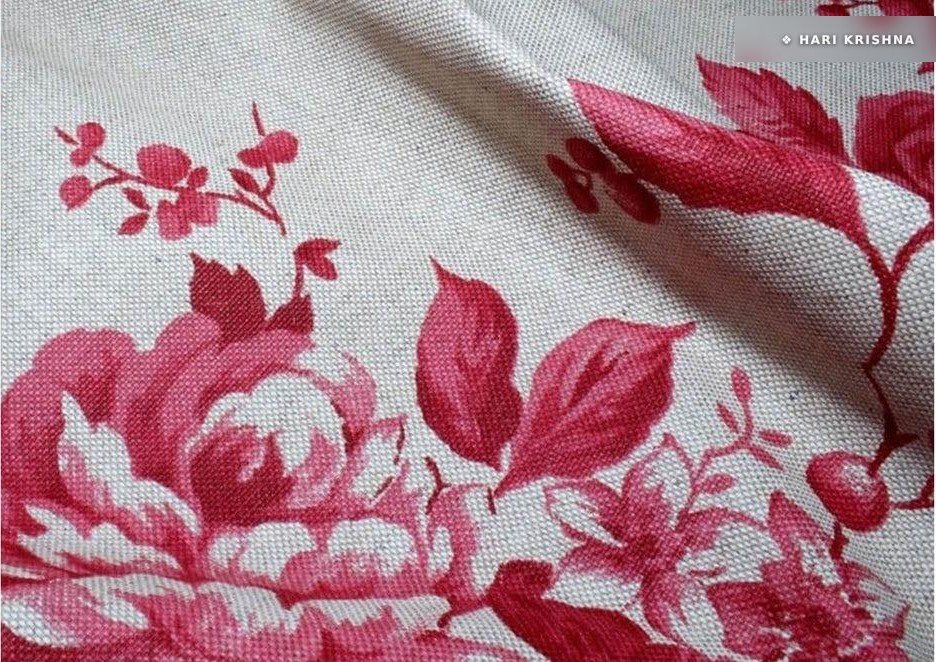
- It is possible to eliminate wrinkles from the fabric by using a cold iron to iron it on the back side, which is the side that is not coated.
- Do not dry clean the fabric.
Care & Maintenance Guidelines
Directly after usage or as soon as possible after a spill, you should be able to wipe clean any oilcloth or linen acrylic using a wet cloth and a mild detergent.
Directly after usage or as soon as possible after a spill, you should be able to wipe clean any oilcloth or linen acrylic using a wet cloth and a mild detergent.
It is possible to eliminate wrinkles from the fabric by using a cold iron to iron it on the back side, which is the side that is not coated.
It is possible to eliminate wrinkles from the fabric by using a cold iron to iron it on the back side, which is the side that is not coated.
Do not dry clean the fabric.
Do not dry clean the fabric.
Frequently Asked Questions
Was this fabric wiki guide helpful?
Your feedback helps our textile team continuously refine our specs.
Hari Krishna Fabric Experts
Textile Mill & Quality Engineering Team
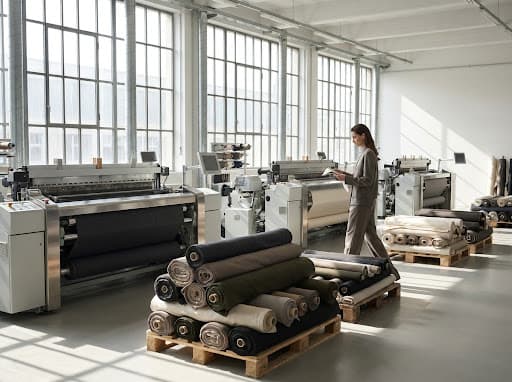
The Hari Krishna Textile Quality & Engineering team oversees weaving precision, GSM batch audits, and fiber testing under international ISO standards at our Surat mill facility.