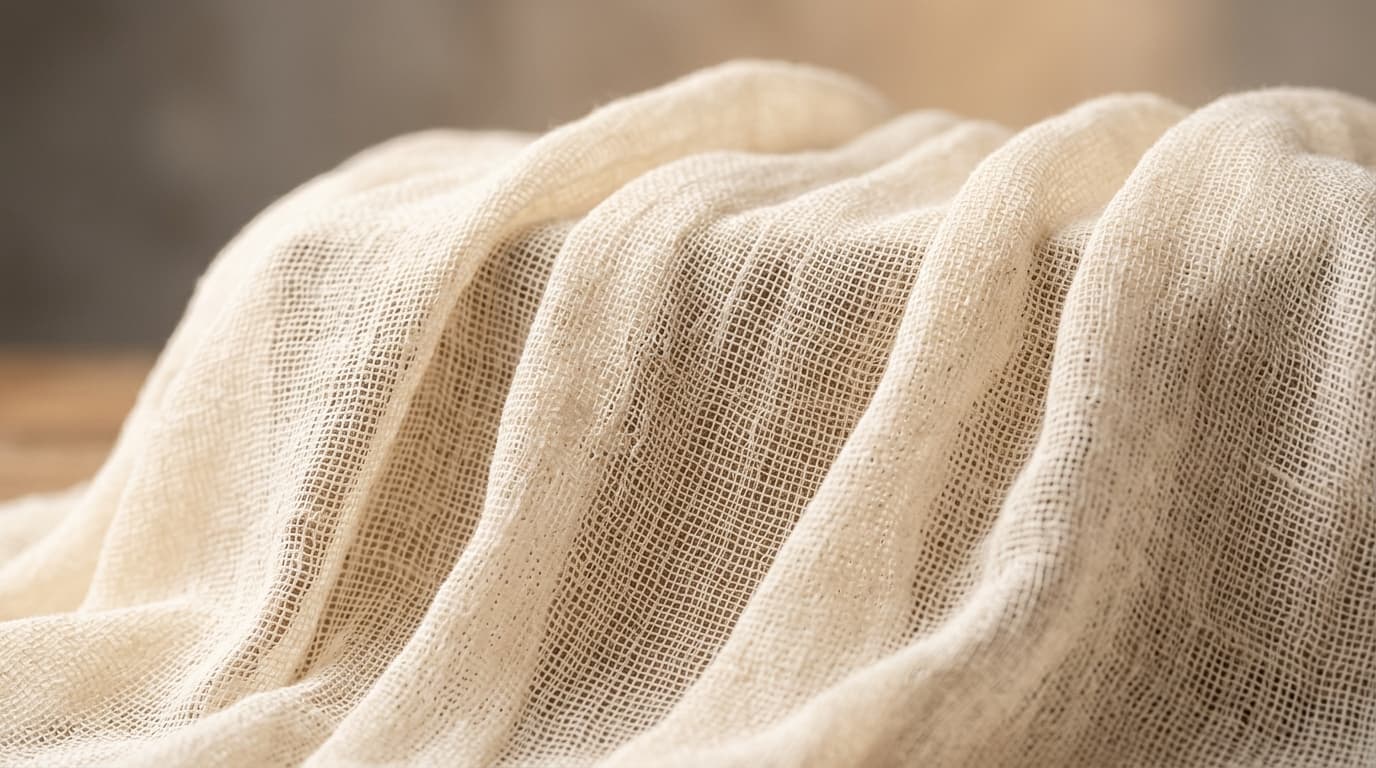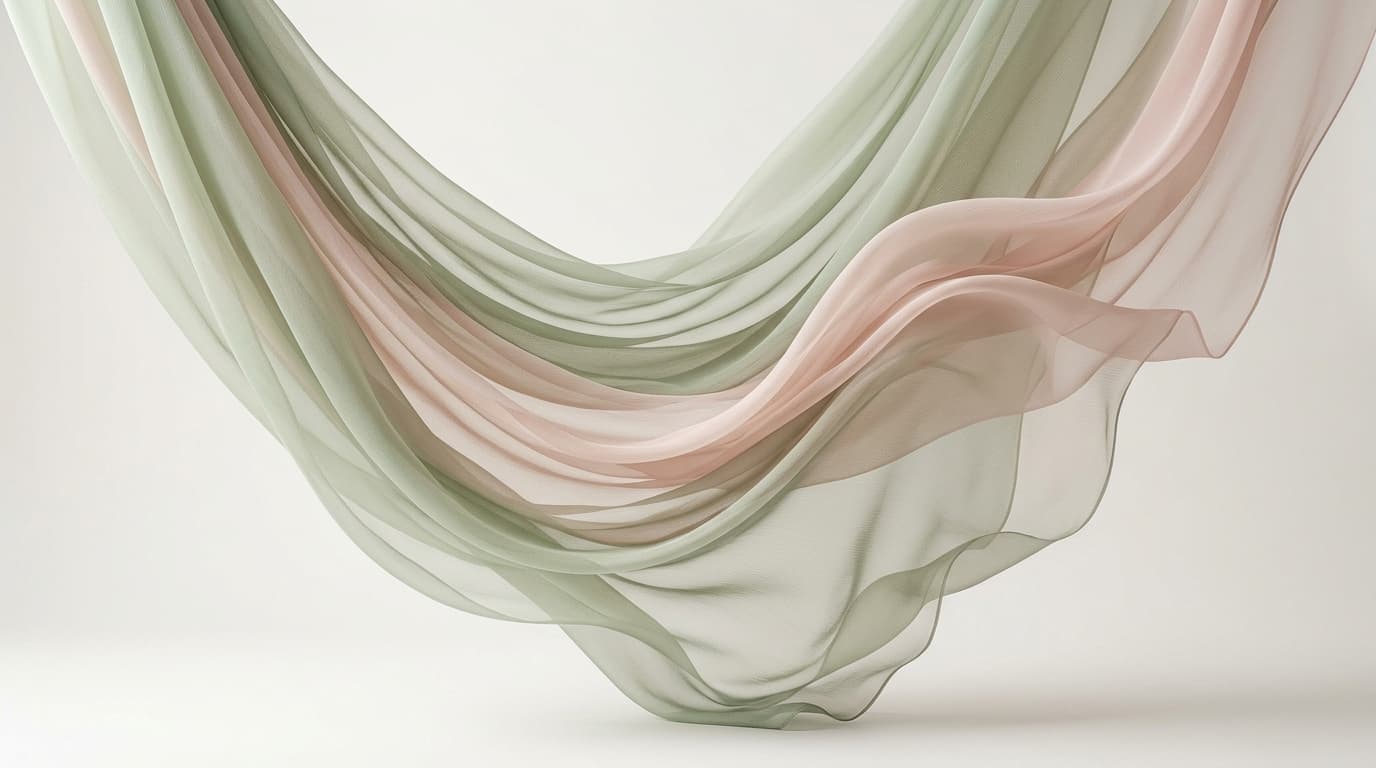
It is incredibly stretchable and exceptionally durable.
Technical Specifications & Parameters
| Specification Attribute | Standard Spec |
|---|---|
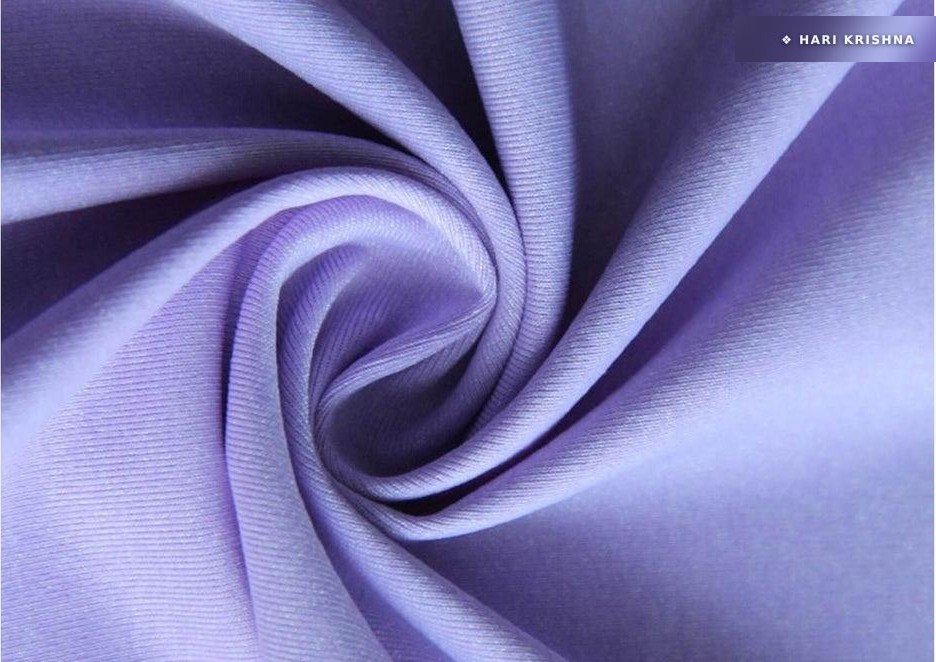
| Texture | Nylon feels cool and smooth to the skin. |
| Sheer | It is incredibly stretchable and exceptionally durable. |
What is Nylon Fabric?
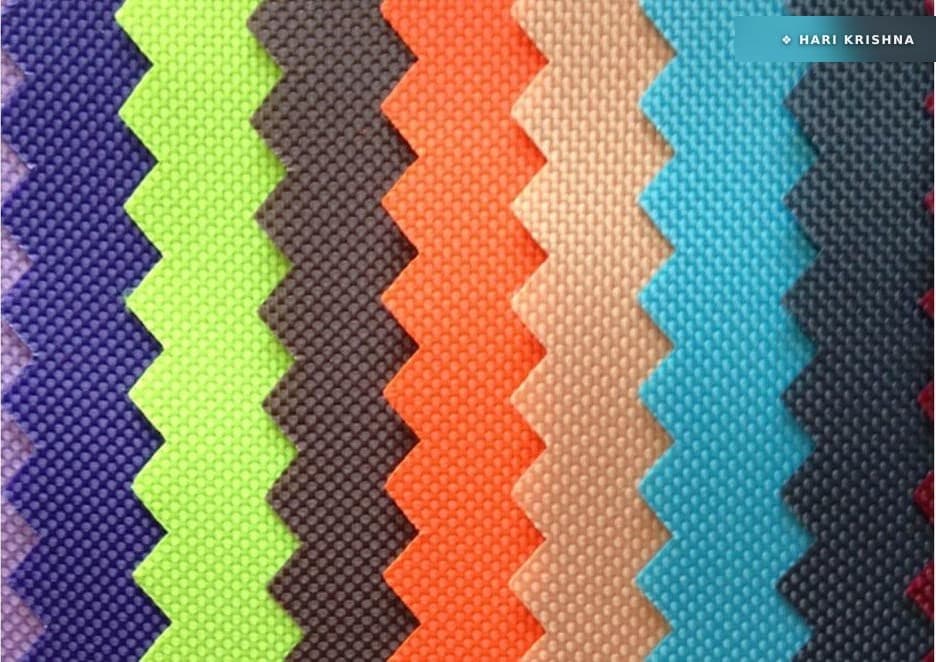
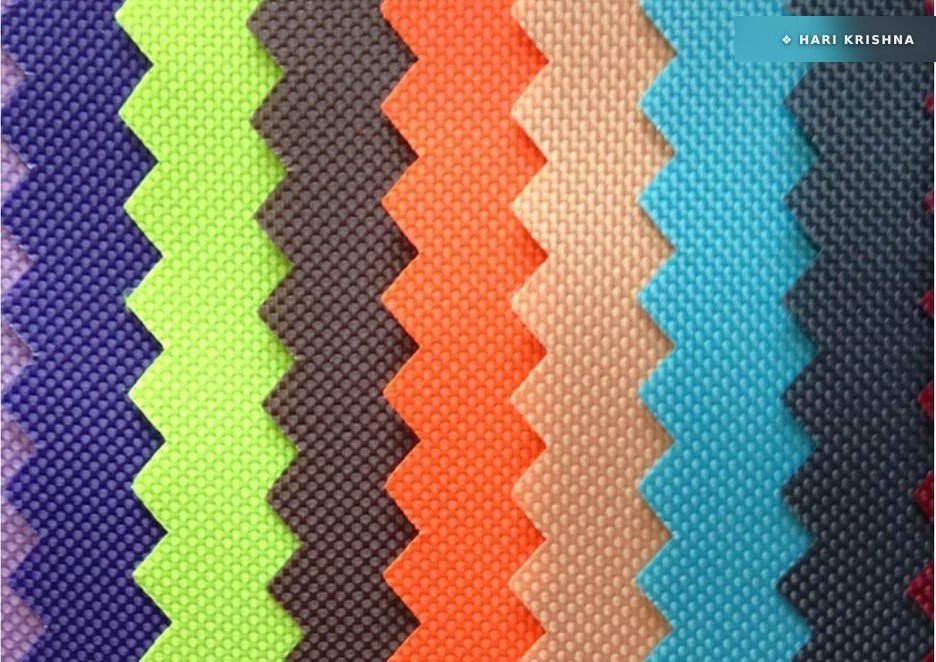
- Fabric composed of nylon is a synthetic material that is created using petrochemicals.
- Nylon fibers, unlike other organic or semi-synthetic fibers, are totally synthetic, which implies that they have no basis in organic material.
- This distinguishes them from other types of fiber. Fabric made of polyamide is another name for it.
History
- In 1934, E.I. duPont de Nemours, Inc. announced that they had made nylon. This was the start of a huge increase in the number of synthetic materials that can be used to make fabrics that look like natural materials.
- In contrast to the artificial textiles that came before it, such as rayon and acetate, which were derived from plants, nylon is made wholly out of petrochemicals.
- In most cases, Wallace Hume Carothers is given credit for the innovation, even if it's possible that another employee at DuPont was the one who came up with the idea.
- Julian Hill was an employee at Carothers and had spent a significant amount of time researching a method that would allow carbon polymers to be spun into a long thread that had the appearance and feel of silk.
- Carothers committed himself in 1937, and the firm that he worked for gave him credit for inventing nylon. It is likely that he was suffering from a severe case of bipolar disorder at the time. Neoprene, a kind of synthetic rubber, was an earlier invention of Carothers.
What Makes it Stand Out
|
Texture |
Nylon feels cool and smooth to the skin. |
|
Sheer |
It is incredibly stretchable and exceptionally durable. |

Applications & Usage
|
Bulletproof vest, swimwear, jackets, etc. |
|
|
Umbrellas, stockings, etc. |
Care Instructions
- Most nylon products are machine-washable.
- Keep the water temperature low to moderate while doing this.
- It is recommended that you wash it on a separate cycle from other fabrics. The reason for this is that it absorbs the dyes of other textiles that run when wet.
- A general-purpose detergent may be used to clean the same.
- This fabric attracts static charge from skin contact and other fabrics.
- Using a fabric softener in the last rinse cycle of the washer or a dryer sheet in the dryer can cut down on static electricity by a lot.
- Tumble drying on a low heat setting is acceptable for this fabric. After the drying cycle is done, take the cloth out of the dryer.
- Even though this fabric doesn't easily wrinkle or lose its shape, it might get creased if you don't take it out of the dryer right away.
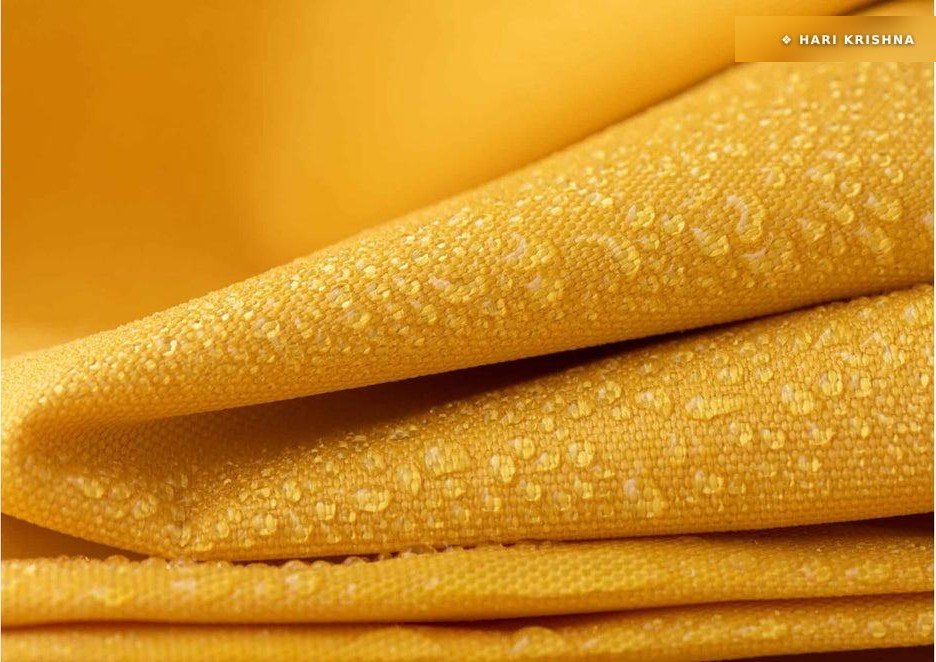
- Sunlight quickly weakens and yellows nylon materials, which have poor resistance to light. Typically, this is true with white nylon.
- They should be dried in the shade, away from direct sunlight.
- Even though this fabric doesn't usually need to be ironed, you can use a heated setting if you need to.
- Don't dry it in the dryer since it might damage it or cause it to shrink. Don't use a dryer; let it air dry instead.
Care & Maintenance Guidelines
Most nylon products are machine
washable.
Keep the water temperature low to moderate while doing this.
Keep the water temperature low to moderate while doing this.
It is recommended that you wash it on a separate cycle from other fabrics. The reason for this is that it absorbs the dyes of other textiles that run when wet.
It is recommended that you wash it on a separate cycle from other fabrics. The reason for this is that it absorbs the dyes of other textiles that run when wet.
A general
purpose detergent may be used to clean the same.
This fabric attracts static charge from skin contact and other fabrics.
This fabric attracts static charge from skin contact and other fabrics.
Using a fabric softener in the last rinse cycle of the washer or a dryer sheet in the dryer can cut down on static electricity by a lot.
Using a fabric softener in the last rinse cycle of the washer or a dryer sheet in the dryer can cut down on static electricity by a lot.
Tumble drying on a low heat setting is acceptable for this fabric. After the drying cycle is done, take the cloth out of the dryer.
Tumble drying on a low heat setting is acceptable for this fabric. After the drying cycle is done, take the cloth out of the dryer.
Even though this fabric doesn't easily wrinkle or lose its shape, it might get creased if you don't take it out of the dryer right away.
Even though this fabric doesn't easily wrinkle or lose its shape, it might get creased if you don't take it out of the dryer right away.
Sunlight quickly weakens and yellows nylon materials, which have poor resistance to light. Typically, this is true with white nylon.
Sunlight quickly weakens and yellows nylon materials, which have poor resistance to light. Typically, this is true with white nylon.
They should be dried in the shade, away from direct sunlight.
They should be dried in the shade, away from direct sunlight.
Even though this fabric doesn't usually need to be ironed, you can use a heated setting if you need to.
Even though this fabric doesn't usually need to be ironed, you can use a heated setting if you need to.
Don't dry it in the dryer since it might damage it or cause it to shrink. Don't use a dryer; let it air dry instead.
Don't dry it in the dryer since it might damage it or cause it to shrink. Don't use a dryer; let it air dry instead.
Frequently Asked Questions
Was this fabric wiki guide helpful?
Your feedback helps our textile team continuously refine our specs.
Hari Krishna Fabric Experts
Textile Mill & Quality Engineering Team
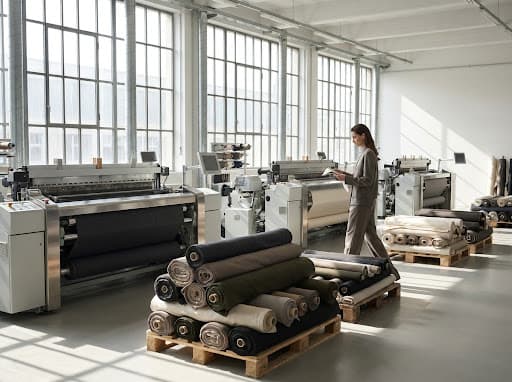
The Hari Krishna Textile Quality & Engineering team oversees weaving precision, GSM batch audits, and fiber testing under international ISO standards at our Surat mill facility.