Muslin fabric has a rich history that dates back to ancient India where it was first made in Bengal. It became prized in Europe and the Middle East, especially during the Mughal period. British rule caused a decline in its production. But recent efforts in West Bengal and Bangladesh are reviving this historic fabric.
Technical Specifications & Parameters
| Specification Attribute | Standard Spec |
|---|---|
| Khasa | Mughal nobles and royalty favored a luxurious muslin. It was prized for its softness and finish. |
| Tansukh | A delicate, lightweight and airy muslin, ideal for the warm Indian subcontinent, as noted in the Ain-i-Akbari. |
| Nainsook | A light, soft, fine, smooth fabric. It is popular for everyday wear and royal attire. |
| Chautar | A soft, smooth muslin makes elegant, comfy garments, as noted in the Ain-i-Akbari. |
| Alliballi | A class of superior muslins, known for their fine weave. They are often used for elite garments. |
| Adatais | A fine, clear muslin. It has a delicate look and a smooth feel. It's a premium fabric. |
| Seerhand Muslin | A thin, soft muslin, between Nainsook and Mull. It resists washing and retains clarity over time. |
| Mulmul Variants | Several types of Mulmul: Mulboos Khas Jhuna Sarkar Ali Sarbati Jhuna Sarkar Ali |
Introduction to Muslin Fabric
- Many believe the muslin fabric's name comes from the city of Mosul, Iraq, where it was first made and traded.
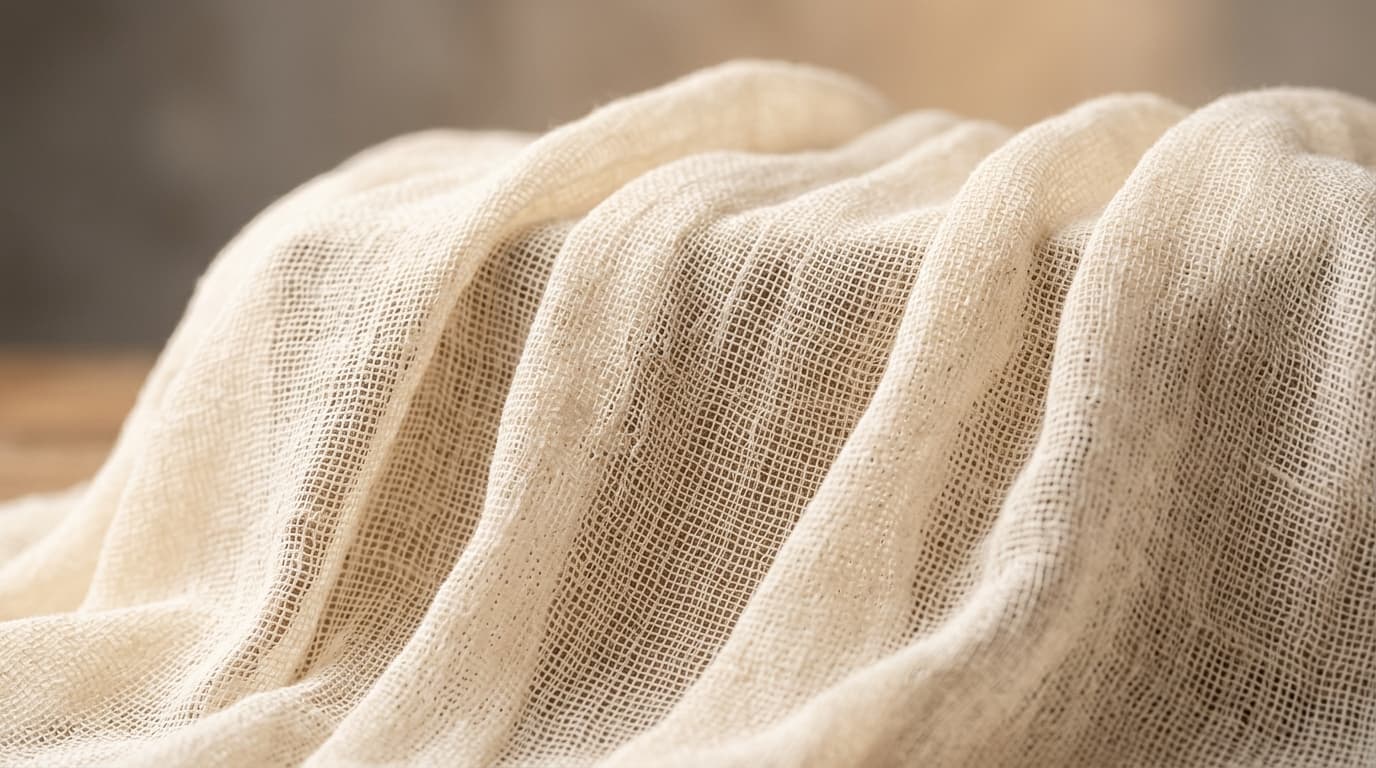
- Muslin is a lightweight, versatile cotton fabric and It has a plain weave.
- It comes in a range of weights, from delicate sheers to coarse sheeting.
- It has been vital in fashion and home textiles for centuries.
- Designers use it in many applications. These range from elegant fashion to practical home decor.
What is Muslin Fabric?
- Muslin is a lightweight, breathable cotton fabric with a rich history dating back to ancient India.
- It is traditionally woven from the fine fibers of the Phuti karpas cotton plant.
- Muslin uses a simple plain weave where a single weft thread alternates over and under a single warp thread.
- This process creates a soft, airy and versatile fabric that is smooth on both sides.
- Manufacturers used to make muslin from fine cotton but now they often blend it with polyester.
- Muslin is lightweight and has many uses, from fashion to cooking.
- It is even used in photography and medicine.
History of Muslin Fabric
Muslin fabric has a rich history that dates back to ancient India where it was first made in Bengal. It became prized in Europe and the Middle East, especially during the Mughal period. British rule caused a decline in its production. But recent efforts in West Bengal and Bangladesh are reviving this historic fabric.
Early period of muslin fabric:
- Indian fine cotton cloth like muslin, has a rich history dating back to around 2000 BC.
- The earliest specimen of muslin was found in Egypt as a mummy shroud.
- The Periplus of the Erythraean Sea (63 AD) mentions the export of high quality cotton textiles from India to Europe with Bengal’s cotton being particularly prized for its superior quality.
- Historical texts referred to fine cotton fabrics as "Monachi" and "Gangetic," sourced from Bengal's Gange port.
- By the 9th century, Arab merchants noted fine cotton in the kingdom of Ruhma.
- By the 12th century, fabrics were being made in Mosul, Iraq and Europeans began calling it "muslin."
- In 1298, Marco Polo and, in the 14th century, Ibn Battuta praised Bengal's cotton cloth.
- Chinese travelers in the 15th century also admired Bengal's cotton textiles.
- This legacy shows that Indian cotton textiles, especially muslin, are considered the finest and most beautiful.
Mughal period Muslin fabric
- Between the 16th and 18th centuries, Bengal was the heart of the global muslin industry.
- Dhaka, Shantipur, Malda and Hooghly were key production centers.
- In 1583, English traveler Ralph Fitch visited Sonargaon and praised its fine muslin.
- During Emperor Jahangir's reign, Dhaka became a major trade hub.
- The city’s muslin, especially Dhakai muslin, gained worldwide recognition.
- Abul Fazal, a Mughal courtier, also admired the fine fabric of Sonargaon.
- As European traders flocked to Bengal, Dhaka became the epicenter of the muslin trade.
- Cossimbazar, near Murshidabad, became a key trading post.
- By the 18th century, Bengal muslin was highly sought after in Europe, with the East India Company purchasing large quantities.
- The 1851 Great Exhibition in the UK showcased Dhaka's muslin, solidifying its global reputation.
Muslin Fabric Under the East India Company:
- The East India Company imported British made cloth during British control of India but it battled to compete with India's growing muslin industry.
- The Company implemented policies aiming to control the competition resulting in a decrease in muslin production.
- Although some accounts suggest weavers suffered harsh punishments, including having their thumbs cut off, others argue this incorrectly interprets a 1772 report by William Bolts.
- Many weavers, facing threats, fled East Bengal (now Bangladesh) and settled in eastern West Bengal, known for its cotton products.
- Bengal's muslin's quality and quantity suffered even with these initiatives.
- This trend persisted even after the switch to British Crown rule.
Revival of Muslin Fabric: 1950s to Present:
- To revive the historic Bengal muslin industry, the Khadi and Rural Industries Commission set up production hubs in Basowa, West Bengal and Panduru, Andhra Pradesh.
- Under Prime Minister Nehru's guidance, Kalicharan Sharma led efforts to revive muslin weaving.
- After facing challenges, Kalicharan Sharma moved to Chowk Islampur in Murshidabad, known for its weaving history.
- In 1955, a training center was established where Sharma invented the Ambar Charkha, a new spinning wheel that enabled finer yarn production.
- In 2013, the West Bengal government launched "Project Muslin." It aimed to train weavers in several districts and boost muslin quality to counts of 700.
- In Bangladesh, the 21st century Golden Heritage Muslin project revived cotton plants and developed hybrid yarn with Indian spinners.
- Dhakai Muslin received Geographical Indication (GI) status in 2020.
- By 2022, efforts to revive Dhakai Muslin led to the opening of the Dhakai Muslin House in Narayanganj.
- Dhakai Muslin's commercialization continued into 2023. It secured the legacy of this superb fabric.
Characteristics and Key Features of Muslin Fabric
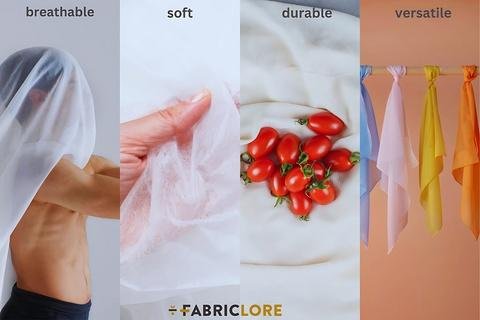
- Breathability: Air can flow easily due to the loose weave.
- Softness: improves with every washing.
- Durability: Durable enough for everyday use.
- Versatility: offered in a range of weights and characteristics.
- Absorbency: Outstanding moisture wicking capabilities.
- Regulation of temperature: Maintains warmth in the winter and coolness in the summer.
Different Types of Muslin Fabric
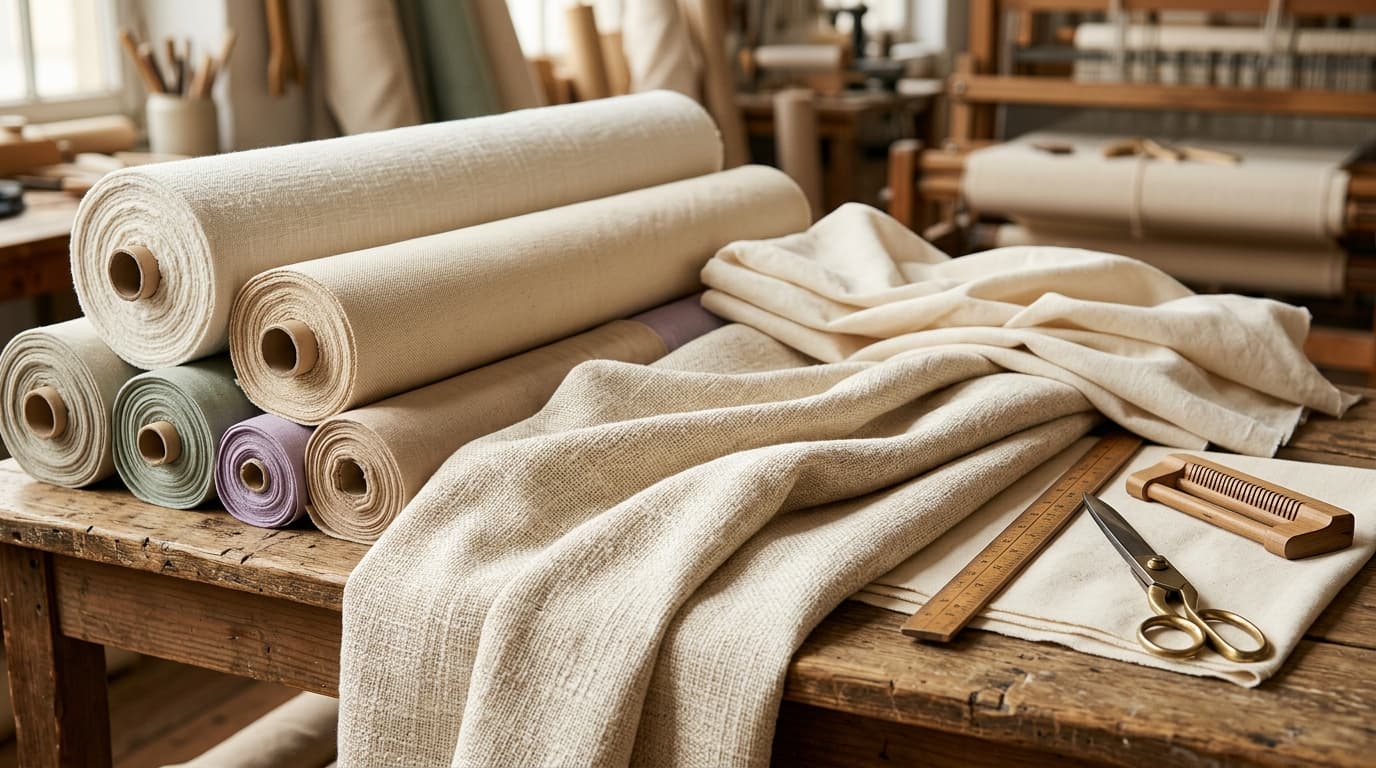
Muslin fabric comes in different types both from the Mughal era and today. Khasa, Tansukh and Nainsook were soft and fine while Chautar and Alliballi were smooth and clear. Adatais was delicate and Seerhand was a mix of Nainsook and Mull. Today, Gauze Muslin is light and see through, Mull Muslin is soft for linings, Swiss Muslin has patterns and Sheeting Muslin is thick and strong. Muslin can be bleached for a smooth white look or left natural for a rough texture. Each type of muslin fabric has its own use.
Different Types of Muslin Fabrics in the Mughal Era (According to Ain-i-Akbari):
|
Muslin Type |
Description |
|
Khasa |
Mughal nobles and royalty favored a luxurious muslin. It was prized for its softness and finish. |
|
Tansukh |
A delicate, lightweight and airy muslin, ideal for the warm Indian subcontinent, as noted in the Ain-i-Akbari. |
|
Nainsook |
A light, soft, fine, smooth fabric. It is popular for everyday wear and royal attire. |
|
Chautar |
A soft, smooth muslin makes elegant, comfy garments, as noted in the Ain-i-Akbari. |
|
Alliballi |
A class of superior muslins, known for their fine weave. They are often used for elite garments. |
|
Adatais |
A fine, clear muslin. It has a delicate look and a smooth feel. It's a premium fabric. |
|
Seerhand Muslin |
A thin, soft muslin, between Nainsook and Mull. It resists washing and retains clarity over time. |
|
Mulmul Variants |
Several types of Mulmul:
|
Types of Muslin Fabrics Available Today:
|
Type of Muslin |
Description |
|
Gauze Muslin |
Used for delicate, lightweight applications like clothing, kitchen filters and dressing pads. |
|
Mull Muslin |
It is often used as a lining fabric and in dress underlinings. It is also used for pattern testing in garment creation. |
|
Swiss Muslin |
It's for warmer clothes and textured garments. |
|
Sheeting Muslin |
Commonly used for upholstery, home decor and backdrops for photography or events. |
|
Bleached Muslin |
It's used for high-end garments, quilts, drapery and fine textiles. It's prized for its softness and refined look. |
|
Unbleached Muslin |
Designed for crafting, pattern making, eco-friendly products, and applications that are budget conscious. |
Production Process of Muslin Fabric:
|
Step |
Description |
|
Cotton Harvesting |
Cotton is picked, cleaned and prepared for spinning. |
|
Spinning the Yarn |
Cleaned cotton fibers are spun into yarn, determining the fabric's softness and durability. |
|
Weaving |
Traditional Weaving: Handwoven using traditional methods for a fine texture. Modern Weaving: Industrial looms are used for faster, consistent production. |
|
Dyeing |
Fabric is dyed using eco friendly dyes for color, ensuring sustainability. |
|
Bleaching |
For white muslin, the fabric is treated to remove its natural color. |
|
Finishing |
Fabric is washed, softened and treated to enhance texture and durability. |
|
Quality Control |
The fabric is inspected for consistency, texture and flaws before packaging. |
Muslin Fabric: White vs. Black
- Muslin fabric comes mainly in white and black.
- White muslin is used for clothing, home items and printing designs.
- White muslin reflects light and is good for summer wear and photos.
- Black muslin absorbs light and is often used for theater backdrops and photo shoots.
- White muslin is easy to dye and print.
- Black muslin keeps its color longer.
- Each has different uses and advantages.
How Muslin Fabric is Printed?
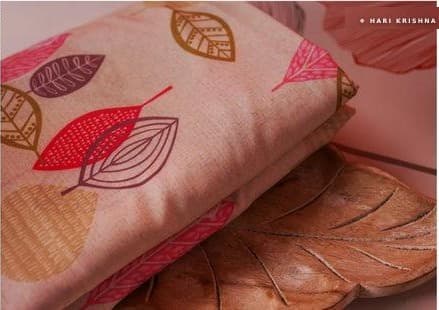
There are different ways to print designs on fabric each for different needs. Screen printing works well for bold designs and digital printing is best for detailed, custom patterns. Block printing and resist dyeing are good for creating unique, handmade designs. These methods provide many options for different types of prints.
<
|
Printing Method |
Description |
|
Ideal for bulk production of bold or simple designs. |
|
|
Perfect for creating artisanal, rustic patterns. |
|
Care & Maintenance Guidelines
Gentle Wash
Wash with mild textile liquid detergent in cold or lukewarm water.
Air Dry in Shade
Avoid direct scorching sunlight to preserve natural fiber luster.
Low Heat Iron
Press on reverse side using steam iron at recommended temperature.
Pros & Limitations
- Breathability: Air can flow easily due to the loose weave.
- Softness: improves with every washing.
- Durability: Durable enough for everyday use.
- Versatility: offered in a range of weights and characteristics.
- Absorbency: Outstanding moisture wicking capabilities.
- Regulation of temperature: Maintains warmth in the winter and coolness in the summer.
Frequently Asked Questions
Was this fabric wiki guide helpful?
Your feedback helps our textile team continuously refine our specs.
Hari Krishna Fabric Experts
Textile Mill & Quality Engineering Team
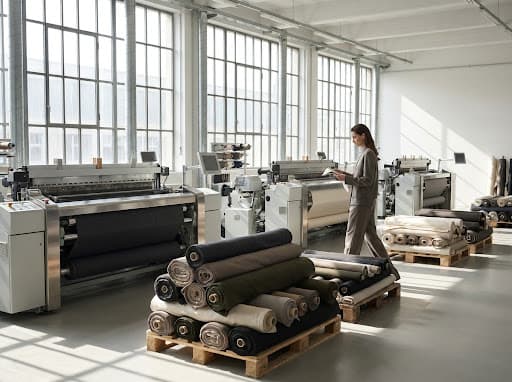
The Hari Krishna Textile Quality & Engineering team oversees weaving precision, GSM batch audits, and fiber testing under international ISO standards at our Surat mill facility.