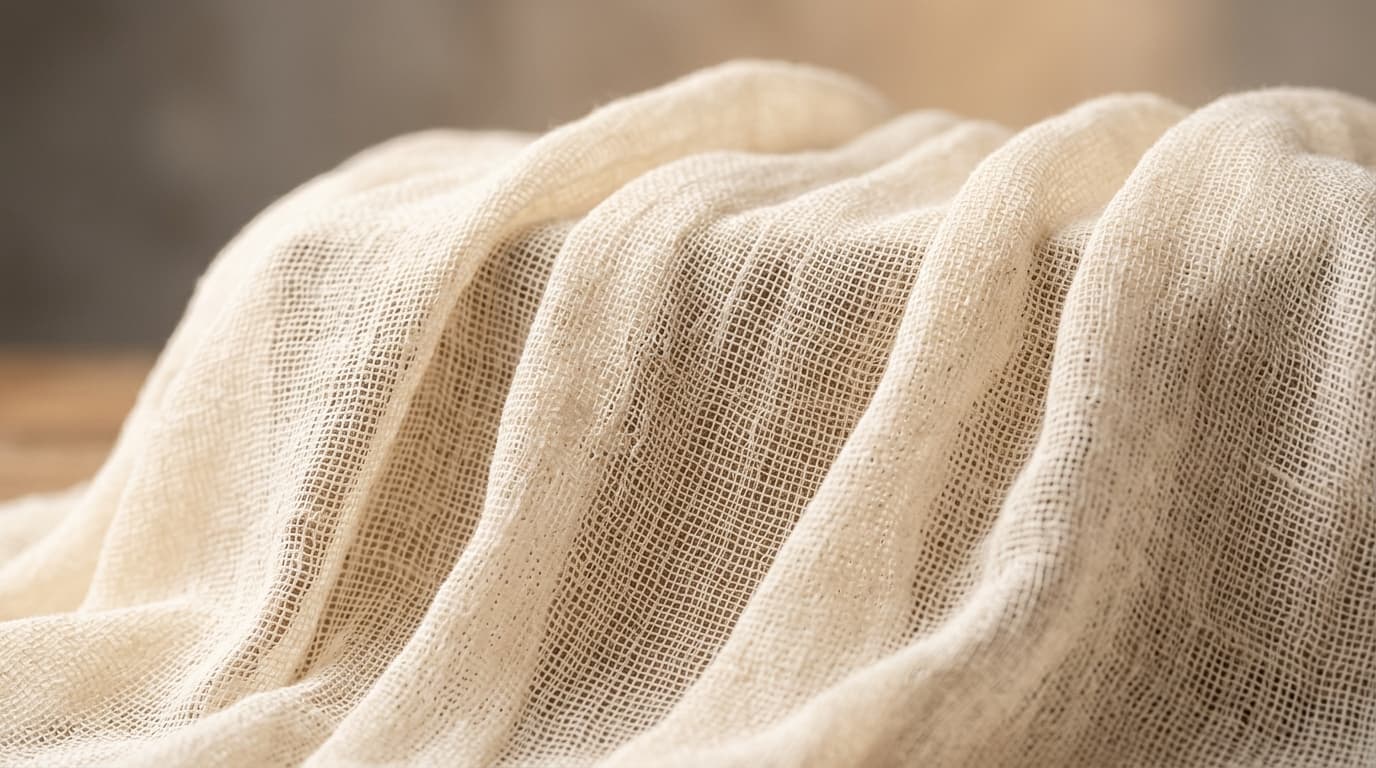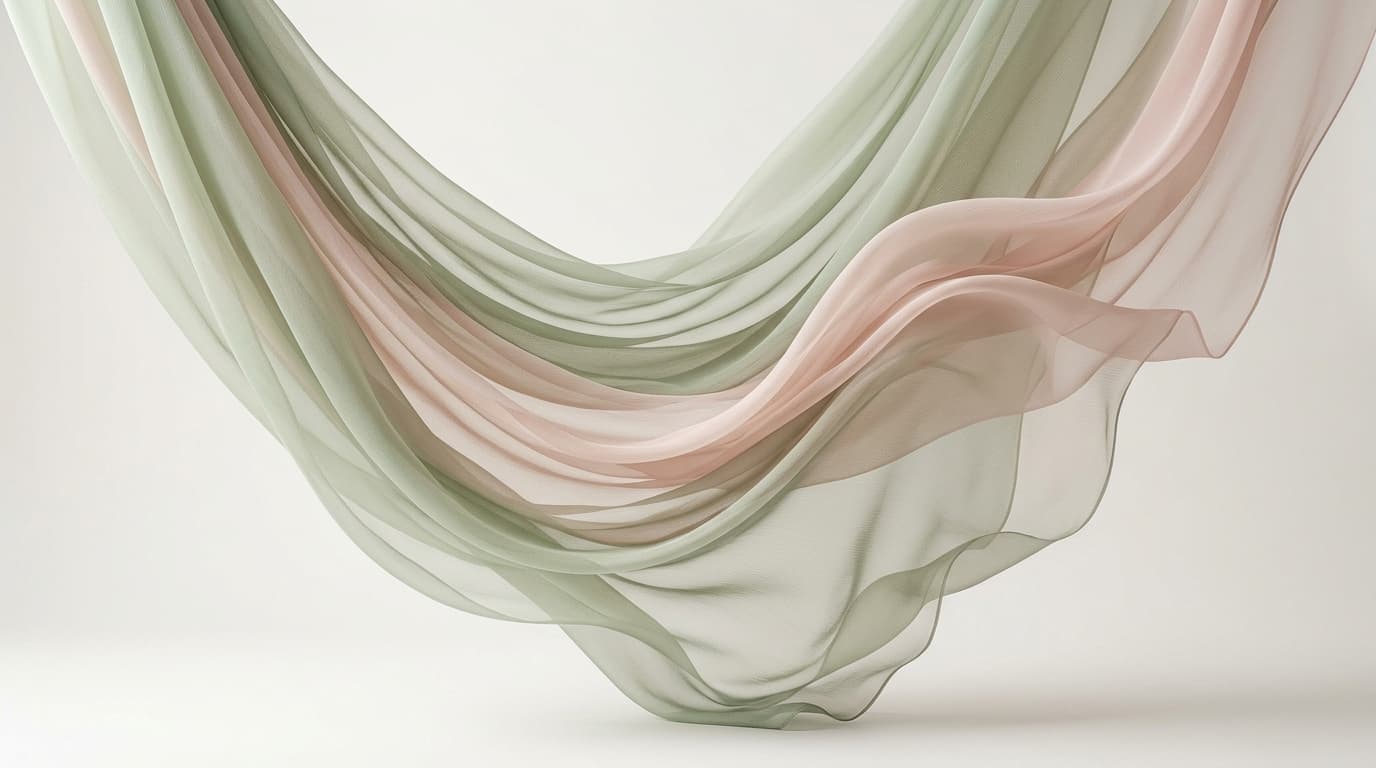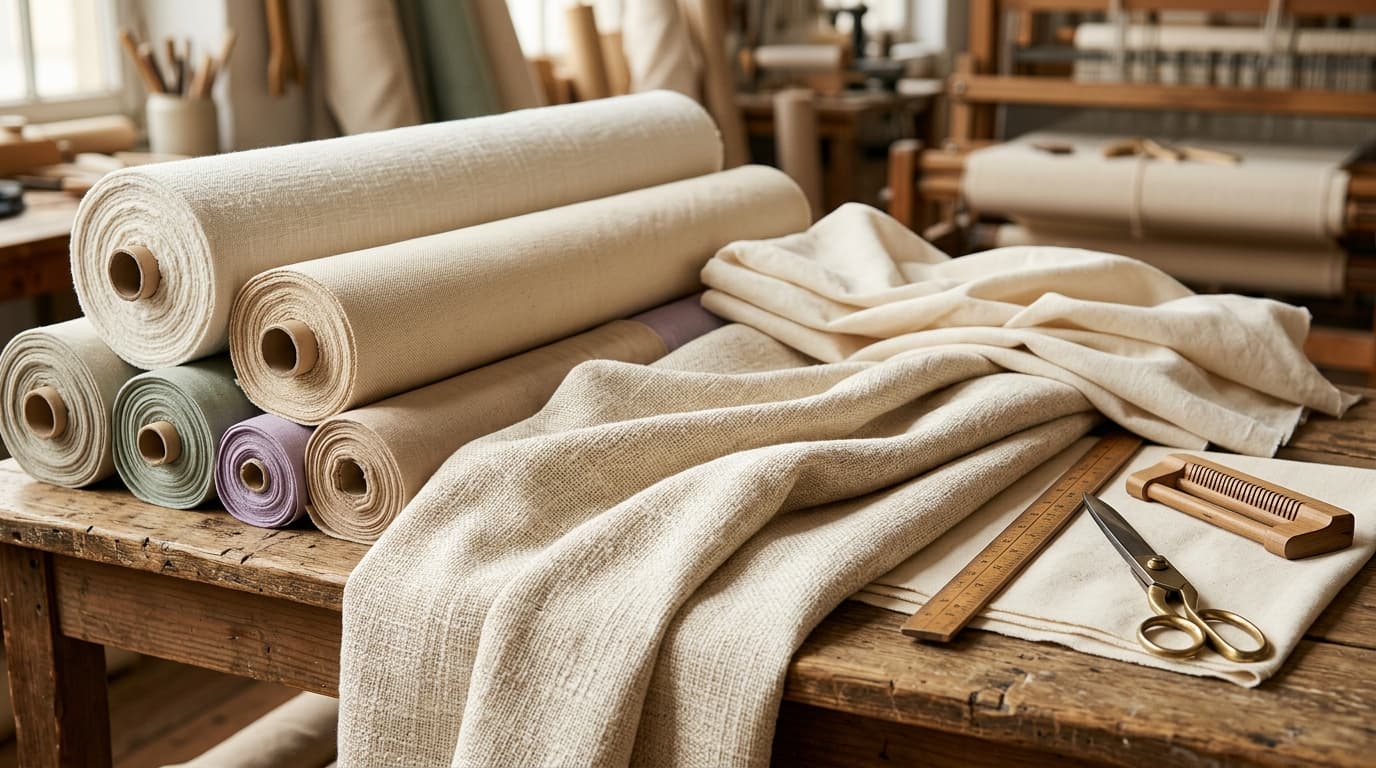

It is great for summers, especially in the harsh summers of India, since it's very breathable.
Technical Specifications & Parameters
| Specification Attribute | Standard Spec |
|---|---|
| Texture | The fabric is super soft and lightweight |
| Fall | Drapable |
| Shine | Dull / No shine |
| Sheer | Slight Sheer |
| Breathable | It is great for summers, especially in the harsh summers of India, since it's very breathable. |
| Soft | It gets softer with every wash. |
| Moisture absorbent | Readily absorbs moisture and keeps the wearer cool. |
What is Mulmul Fabric?
- Mulmul fabric is so light and sensitive that it is frequently referred to as "wonder gossamer" or "woven wind."
- It is ideal for hot summers because of its ability to absorb sweat and keep the user cool and comfortable.
- It was initially woven by Bengali weavers almost 100 years ago.
- Mulmul cotton cloth was a treasured Indian import to the territories of England and Scotland.
- It first appeared on the market there, and afterward, gradually the continent's countries began to manufacture it.
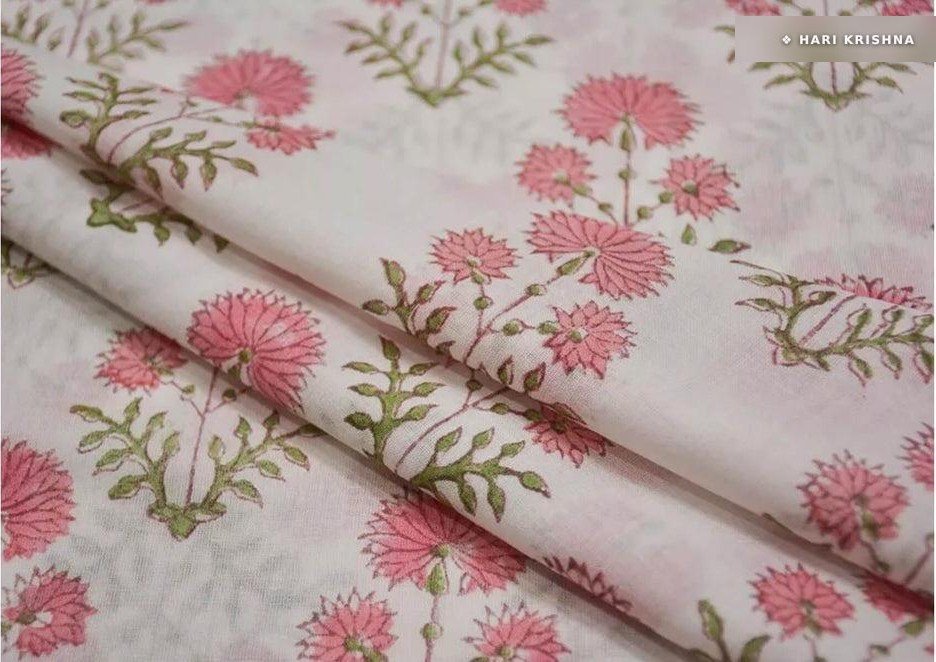
History
- It was traded in Europe by the 17th century and was one of the prized imports from India.
- Later the manufacturing of mulmul or muslin started in England and Scotland.
- Originally it originated in Dhakeshwari or Dhaka in Bangladesh, which was then a part of India.
- Then the fabric was referred to as Daka there.
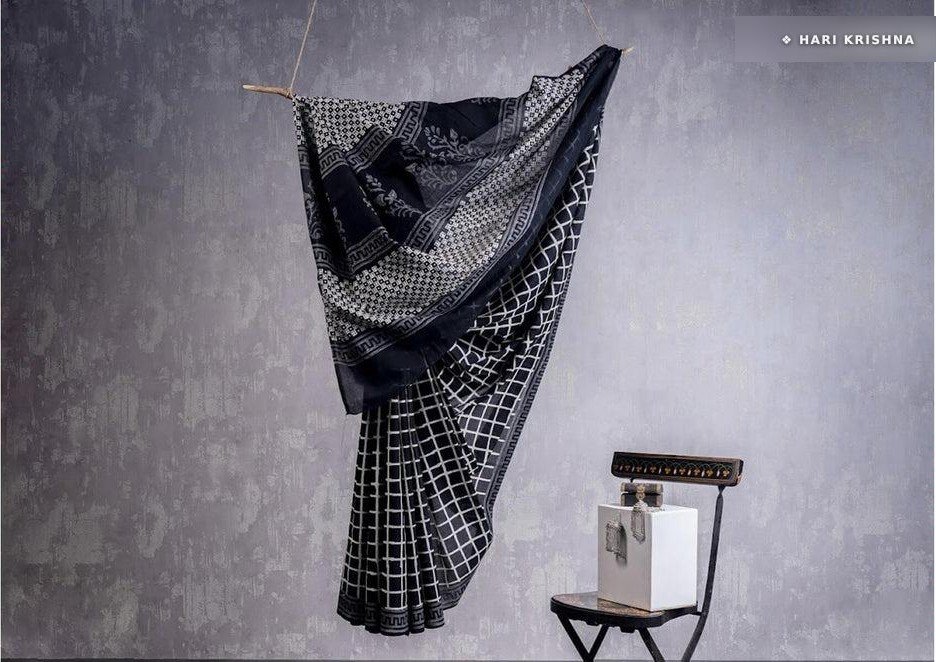
What Makes it Stand Out?
|
Texture |
The fabric is super soft and lightweight |
|
Fall |
Drapable |
|
Shine |
Dull / No shine |
|
Sheer |
Slight Sheer |
|
Breathable |
It is great for summers, especially in the harsh summers of India, since it's very breathable. |
|
Soft |
It gets softer with every wash. |
|
Moisture absorbent |
Readily absorbs moisture and keeps the wearer cool. |
Application and Uses
|
Clothing |
Kurti, Gown, Saree, Blouse, Churidar, Kids Wear, Men's Wear, etc. |
|
Home Furnishing |
Home decor, Event decor, Festival decor, Art and crafts, etc. |
Care Instructions
- Before washing, soak the cloth in lukewarm water combined with mild liquid detergent for around 10 minutes.
- It is recommended to wash the fabric with your hands rather than in the washing machine.
- Allow the soapy foams to be rinsed away by rinsing with flowing tap water.
- When it's wet, don't wring, twist, or squeeze.
- If it has been colored, avoid sun drying. Sun-drying works well for a simple white.
- To avoid wear and tear or color damage, it must be cleaned separately.
- Only iron on low heat.
Care & Maintenance Guidelines
Before washing, soak the cloth in lukewarm water combined with mild liquid detergent for around 10 minutes.
Before washing, soak the cloth in lukewarm water combined with mild liquid detergent for around 10 minutes.
It is recommended to wash the fabric with your hands rather than in the washing machine.
It is recommended to wash the fabric with your hands rather than in the washing machine.
Allow the soapy foams to be rinsed away by rinsing with flowing tap water.
Allow the soapy foams to be rinsed away by rinsing with flowing tap water.
When it's wet, don't wring, twist, or squeeze.
When it's wet, don't wring, twist, or squeeze.
If it has been colored, avoid sun drying. Sun
drying works well for a simple white.
To avoid wear and tear or color damage, it must be cleaned separately.
To avoid wear and tear or color damage, it must be cleaned separately.
Only iron on low heat.
Only iron on low heat.
Frequently Asked Questions
Was this fabric wiki guide helpful?
Your feedback helps our textile team continuously refine our specs.

Hari Krishna Fabric Experts
Textile Mill & Quality Engineering Team
The Hari Krishna Textile Quality & Engineering team oversees weaving precision, GSM batch audits, and fiber testing under international ISO standards at our Surat mill facility.