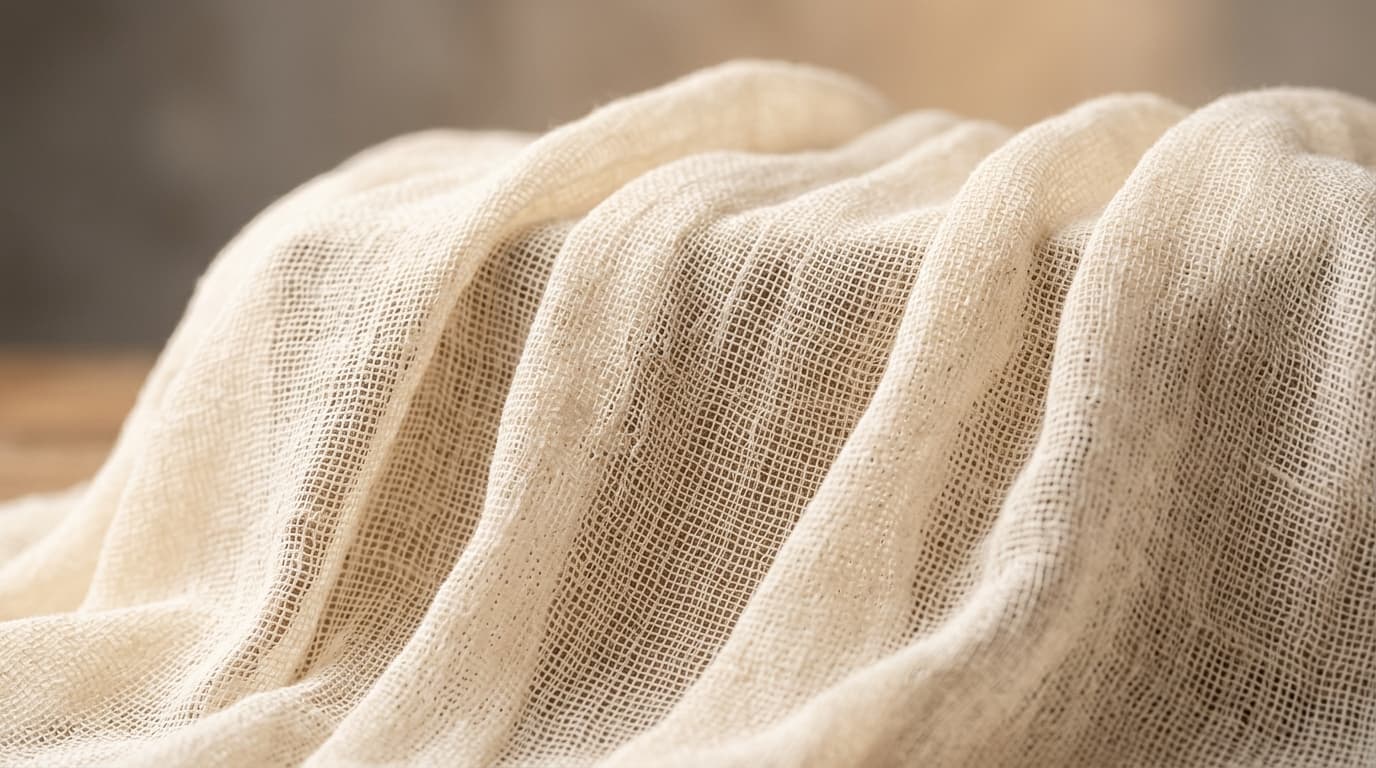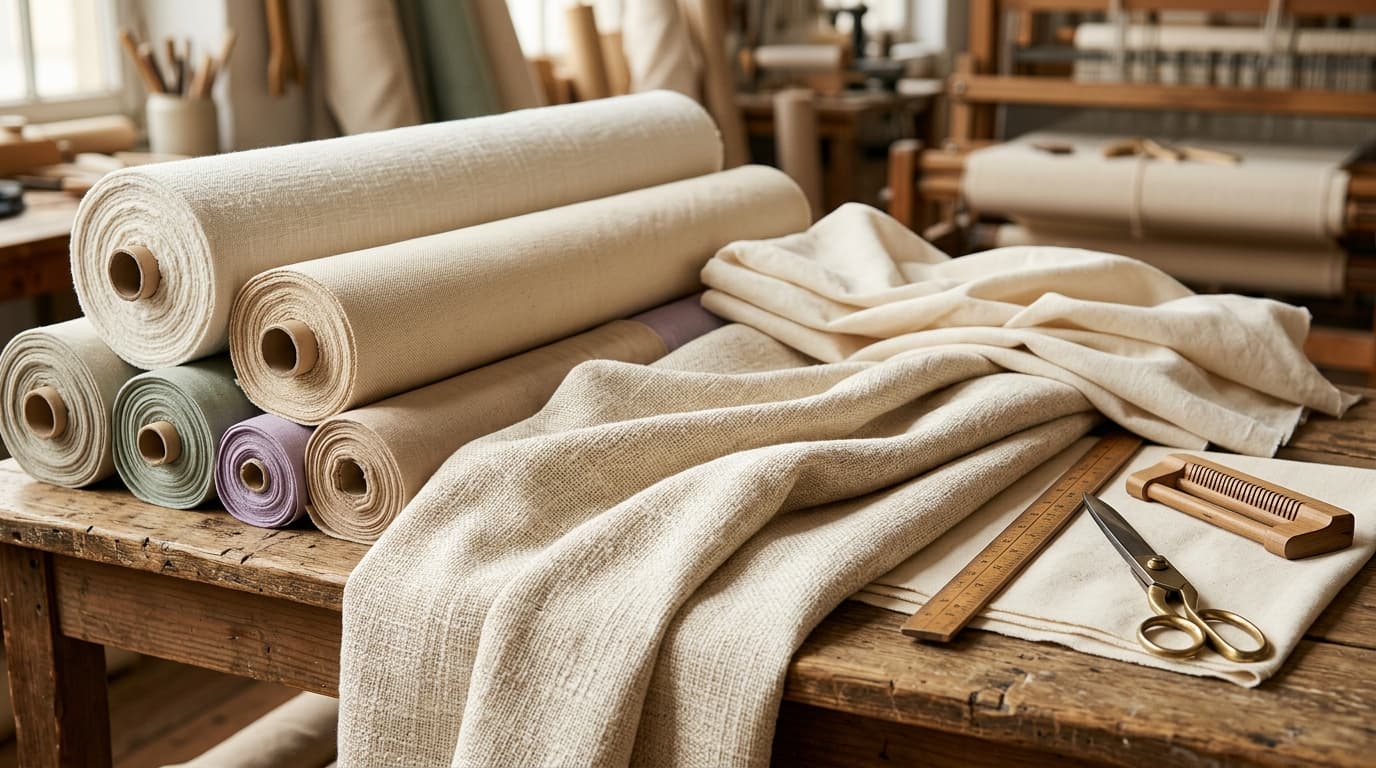
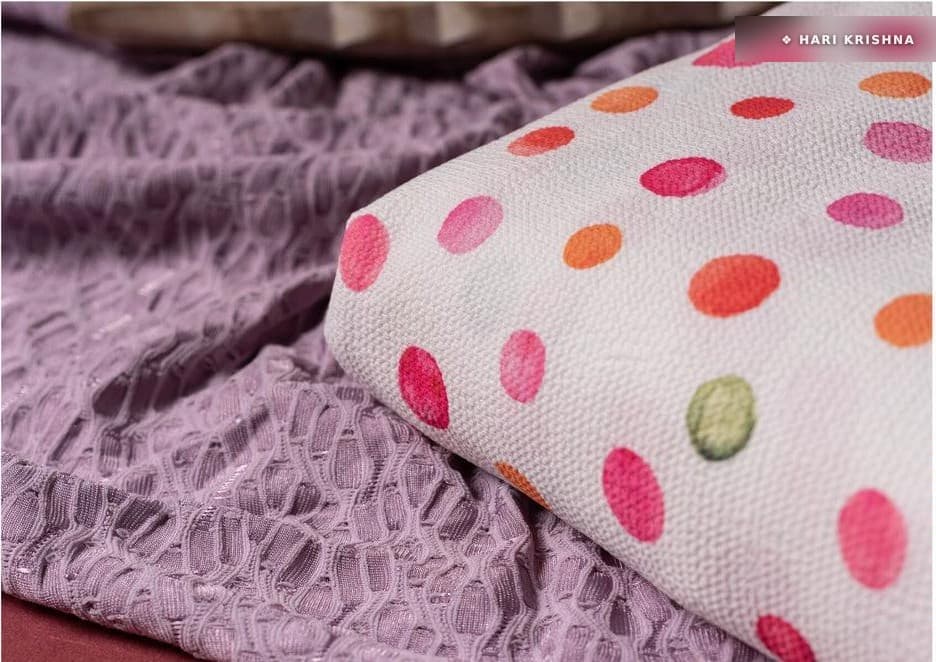
Here are 3 major types of lycra fabrics :
Technical Specifications & Parameters
| Specification Attribute | Standard Spec |
|---|---|
| Cotton lycra Fabric | Cotton Lycra is ideal for making outfits that are durable and crinkle-free. It is easy to maintain and stains can be removed easily. |
| Nylon lycra Fabric | Nylon lycra is used to make bags, table covers, and many such products. It is smooth, free-flowing, and durable. |
| Wool Lycra Fabric | Wool lycra is most suitable for winter outfits as it will keep the body warm. |
What is Lycra Fabric?
- Lycra is a synthetic fiber that comprises stretchability. It can stretch up to 6 times its actual length without affecting its actual shape.
- It is highly resistant to heat.
- Lycra fabric properties is that it is often woven with other fabrics to increase the level of flexibility within the fabric.
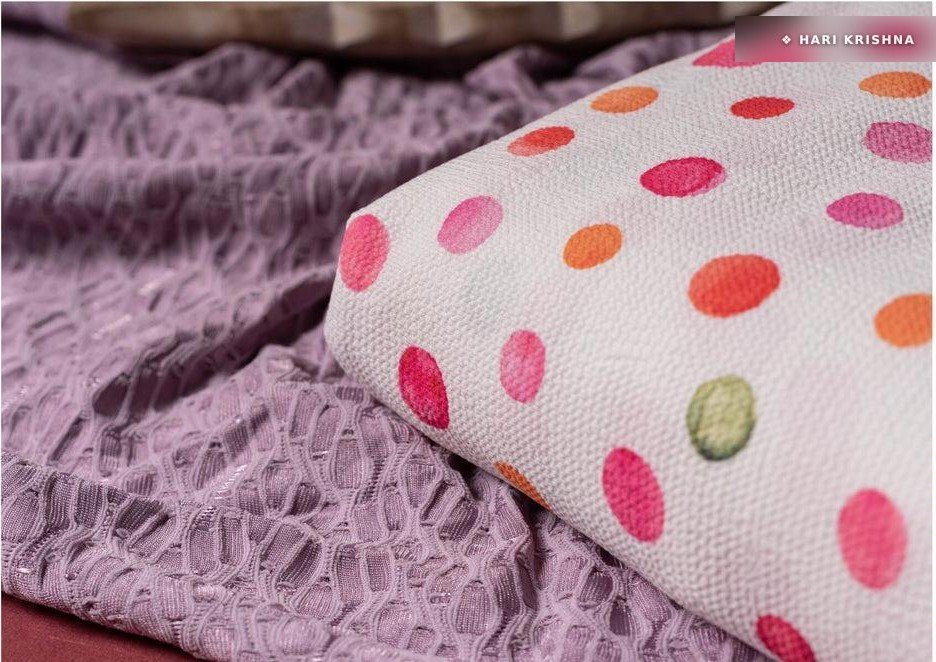
History
- Lycra was invented by Joe Shiver (du Pont Scientist) in 1958.
- Before its origin, rubber was used for elasticity in various outfits like shapewear or lingerie.
- During the war, the supply of rubber became limited and was used only for military purposes.
- The need for the replacement of rubber with synthetic elastane led to the creation of lycra.
- After this, the demand for lycra increased and revolutionized the fashion industry.
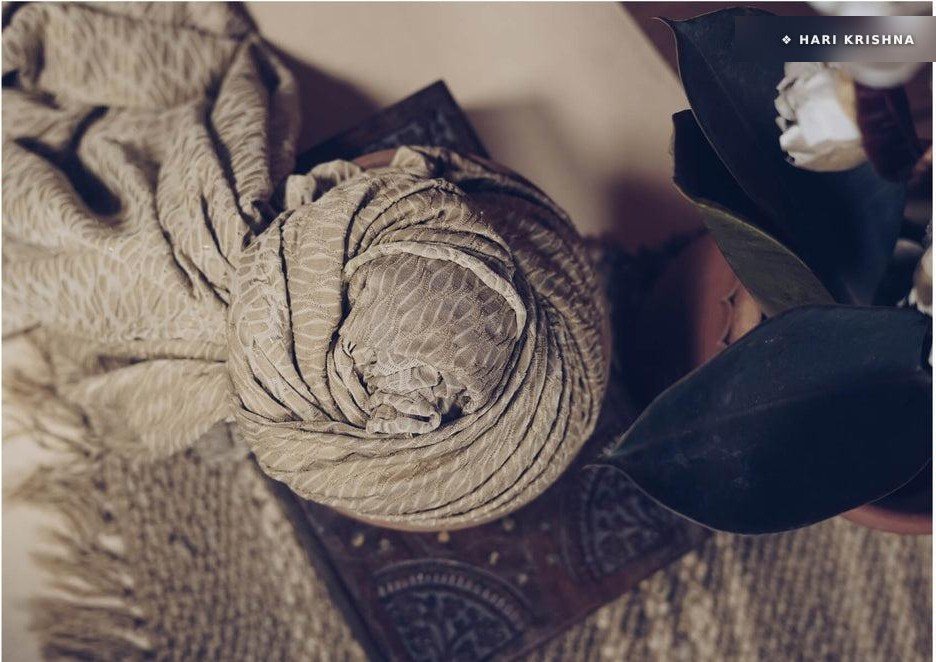
Types of Lycra Fabric
Here are 3 major types of lycra fabrics :
|
Cotton lycra Fabric |
Cotton Lycra is ideal for making outfits that are durable and crinkle-free. It is easy to maintain and stains can be removed easily. |
|
Nylon lycra Fabric |
Nylon lycra is used to make bags, table covers, and many such products. It is smooth, free-flowing, and durable. |
|
Wool Lycra Fabric |
Wool lycra is most suitable for winter outfits as it will keep the body warm. |
What Makes it Stand Out
- Elasticity is the best property of Lycra. The fabric can stretch up to 8 times its actual form.
- Due to its flexibility it is easy to handle the fabric and is durable.
- Lycra does not comprise any static issues.
- The material of lycra is smooth, lightweight, moisture-wicking, and breathable.
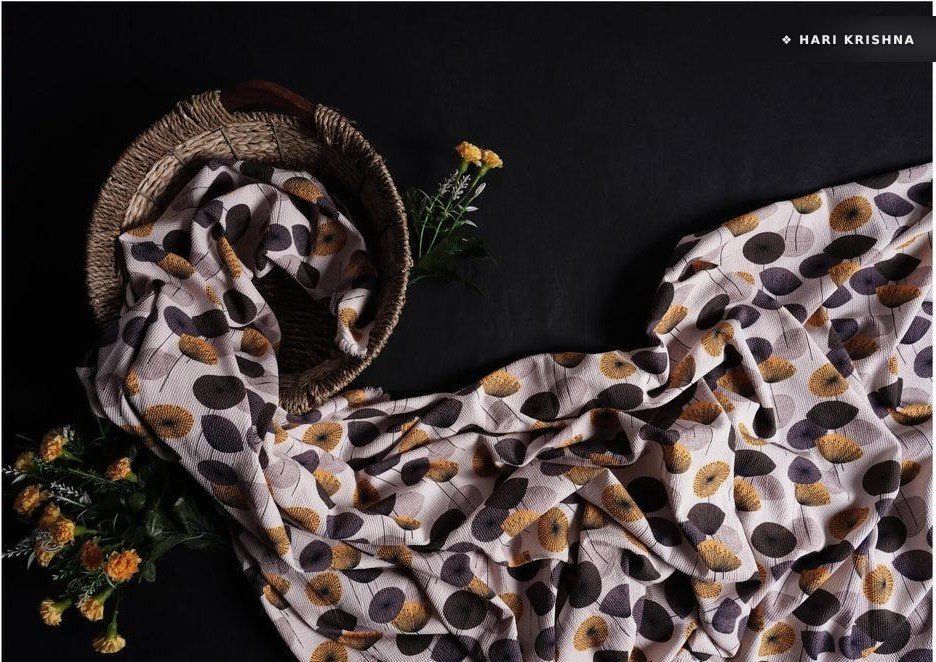
Application & Usage
|
Clothing |
Sportswear, swimming costumes, hiking costumes, etc. |
|
Accessories |
Socks, motion capture suits, etc. |
Care Instructions
- To avoid excess stretch, handwash the fabric.
- For washing the fabric use lukewarm water (30 degrees Celsius)
- You must use mild detergent which does not contain chlorine.
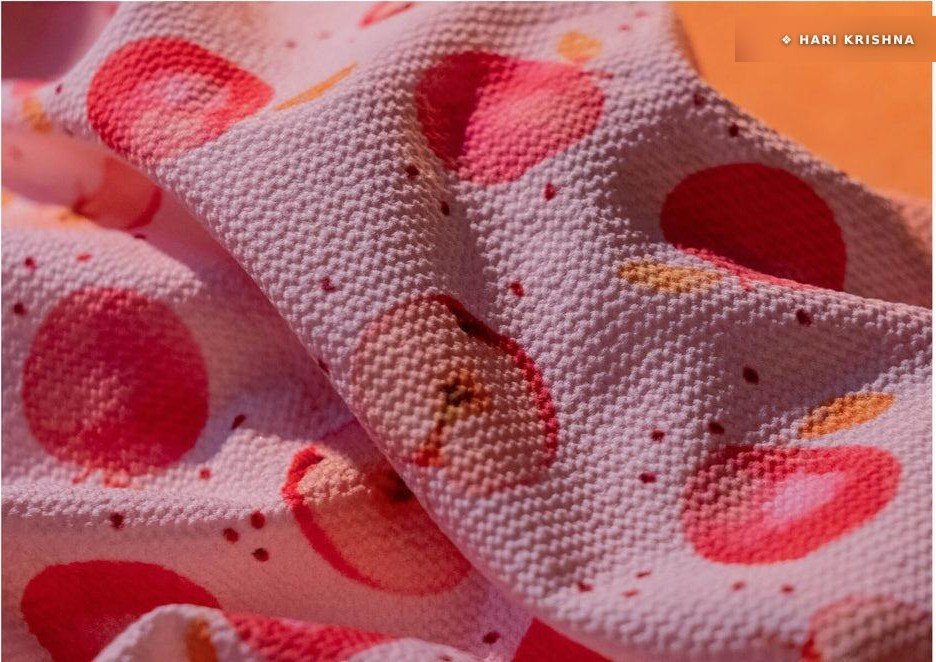
Care & Maintenance Guidelines
To avoid excess stretch, handwash the fabric.
To avoid excess stretch, handwash the fabric.
For washing the fabric use lukewarm water (30 degrees Celsius)
For washing the fabric use lukewarm water (30 degrees Celsius)
You must use mild detergent which does not contain chlorine.
You must use mild detergent which does not contain chlorine.
Pros & Limitations
- Elasticity is the best property of Lycra. The fabric can stretch up to 8 times its actual form.
- Due to its flexibility it is easy to handle the fabric and is durable.
- Lycra does not comprise any static issues.
- The material of lycra is smooth, lightweight, moisture-wicking, and breathable.
Frequently Asked Questions
Was this fabric wiki guide helpful?
Your feedback helps our textile team continuously refine our specs.
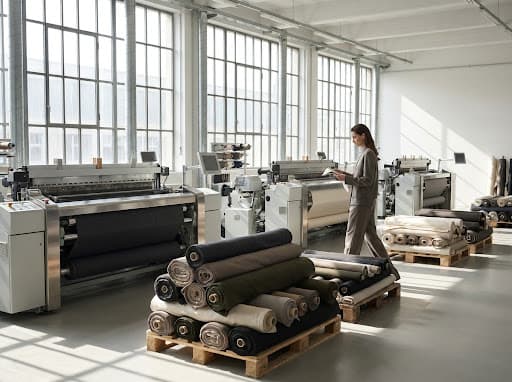
Hari Krishna Fabric Experts
Textile Mill & Quality Engineering Team
The Hari Krishna Textile Quality & Engineering team oversees weaving precision, GSM batch audits, and fiber testing under international ISO standards at our Surat mill facility.