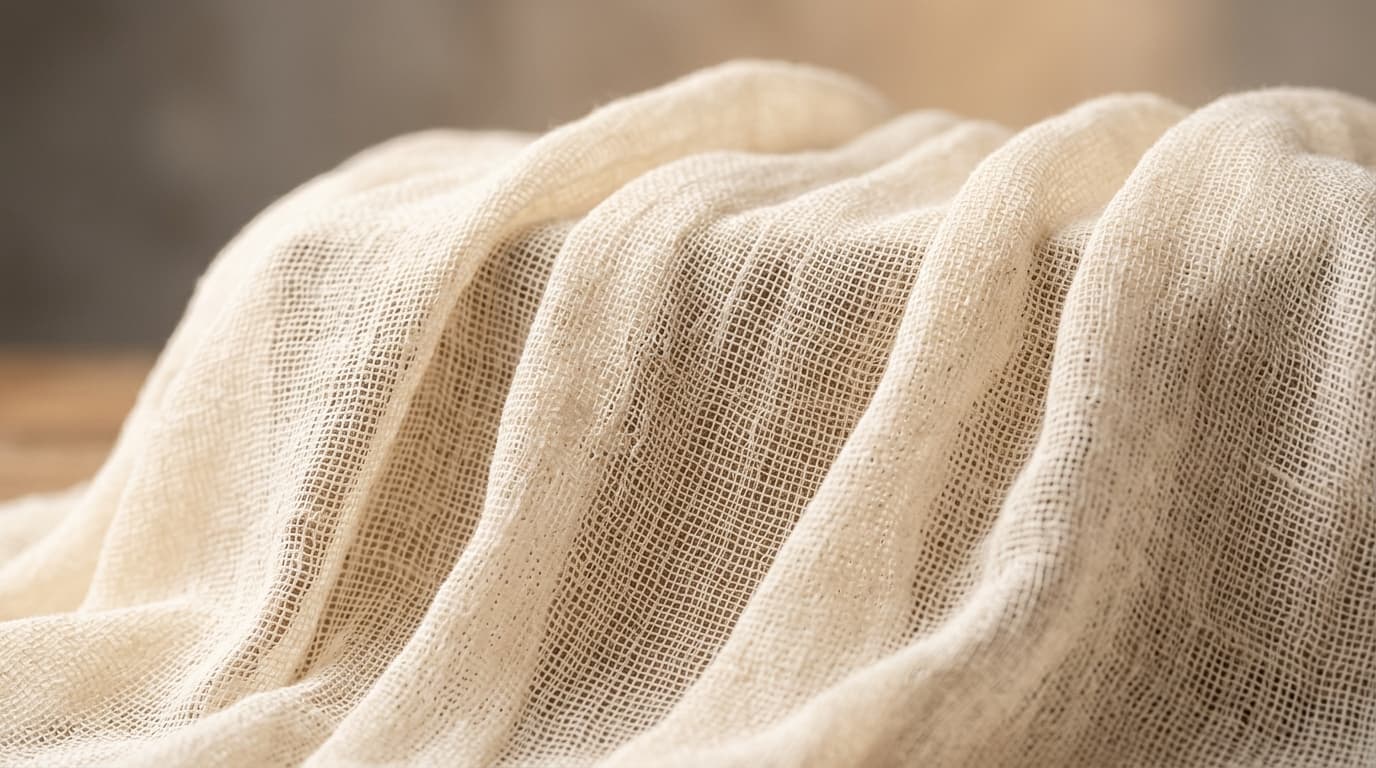
Absorbent but not as strong due to its loose weave.
Technical Specifications & Parameters
| Specification Attribute | Standard Spec |
|---|---|
| Loosely Woven Linen | Absorbent but not as strong due to its loose weave. |
| Plain-Woven Linen | Strong and smooth, often used for cleaning towels. |
| Sheeting Linen | Thick fabric with a high thread count, used for bed sheets and clothes. |
| Holland Linen | Medium-weight fabric with a smooth, shiny finish, treated with starch and oil. |
| Blended Linen Fabric | A mix of linen with other fibers like cotton or polyester, offering both strength and softness. |
| Cambric Linen | Lightweight fabric with a smooth finish, used for delicate items like handkerchiefs. |
| Butcher’s Linen | Thick fabric, often used for aprons and heavy-duty work clothes. |
| Venice Linen | Made from cotton with a satin weave, giving it a shiny finish, often used for drapes. |
| Huckaback Linen | Coarse fabric, often a mix of linen and cotton, used for towels because of its high absorbency. |
| Damask Linen | Woven with a technique that combines plain and satin weaves. |
Introduction to Linen Fabric
- Linen has been used for a very long time and is a fabric manufactured from the flax plant.
- This fabric is known for being breathable and eco-friendly.
- Linen is valued for a wide range of uses, from high-end clothing to home decor.
- More people choose sustainable options, linen is becoming increasingly popular.
- This makes linen a timeless and versatile fabric for both modern and traditional uses.
History of Linen

- Linen has a long history, with evidence suggesting that Neolithic people in Europe were using it for textiles over 36,000 years ago.
- Archaeologists believe that linen was first domesticated in ancient Mesopotamia, where it was mainly used by the ruling class.
- In Egypt, linen became highly valued due to its ability to keep cool in the hot climate.
- Linen was even used as currency and for wrapping mummies in Ancient Egypt.
- The Greeks also used linen for garments and homewares.
- The Phoenicians introduced linen production to Western Europe.
- It wasn't until the 12th century that European powers began regulating flax production.
- By the 18th century, Ireland became the center of linen production, with Belfast known as "Linenopolis."
What is Linen Fabric?

- Linen is a fabric made from the fibers of the flax plant's stems, unlike cotton, which comes from its seeds.
- It is primarily used for household items like bed linens, towels, and curtains.
- Linen is especially popular for clothing in hot weather due to its ability to dry quickly and keep you cool.
- Producing linen is more resource-intensive and time-consuming than cotton.
- Linen continues to be produced in large quantities in some countries.
Types of Linen Fabrics:
|
Type of Linen |
Description |
|
Loosely Woven Linen |
Absorbent but not as strong due to its loose weave. |
|
Plain-Woven Linen |
Strong and smooth, often used for cleaning towels. |
|
Sheeting Linen |
Thick fabric with a high thread count, used for bed sheets and clothes. |
|
Holland Linen |
Medium-weight fabric with a smooth, shiny finish, treated with starch and oil. |
|
Blended Linen Fabric |
A mix of linen with other fibers like cotton or polyester, offering both strength and softness. |
|
Cambric Linen |
Lightweight fabric with a smooth finish, used for delicate items like handkerchiefs. |
|
Butcher’s Linen |
Thick fabric, often used for aprons and heavy-duty work clothes. |
|
Venice Linen |
Made from cotton with a satin weave, giving it a shiny finish, often used for drapes. |
|
Huckaback Linen |
Coarse fabric, often a mix of linen and cotton, used for towels because of its high absorbency. |
|
Damask Linen |
Woven with a technique that combines plain and satin weaves. |
Physical Properties of Linen Fabric:
|
Property |
Description |
|
Length |
30-60 cm (fiber length between 6 and 65 mm) |
|
Flexibility |
Low flexibility (about 2%) |
|
Elasticity |
Low elasticity; does not stretch due to rigid polymer system |
|
Color |
Can range from light blond to brown, depending on growth conditions and weather |
|
Absorption of Moisture |
Absorbs moisture quickly (moisture regain: 12%) |
|
Next-to-skin Comfort |
Less flexible than cotton; stronger but harder |
|
Electrostatic Charge |
Almost no electrostatic charge because it remains wet |
|
Luster and Surface |
Dull sheen, smooth surface; does not shed lint or get dirty easily |
|
Thermal Insulation |
Best at keeping heat in and moving it around; cool and fresh in hot weather |
|
Micro-organism Resistance |
More resistant to rotting than cotton; susceptible to mildew in very warm, damp conditions |
|
Handle |
Firm grip due to coarse fiber bundles; easy to clean |
Chemical Properties of Linen Fabric:
|
Property |
Description |
|
Reaction to Bleaches |
Linen is more difficult to bleach than cotton and is less resistant to sodium hypochlorite bleaches. Sodium perborate bleaches are safer and more effective. |
|
Reaction to Alkalis |
Linen is highly resistant to alkalis and can be mercerized like cotton. |
|
Reaction to Acids |
Linen is damaged by hot dilute acids and cold concentrated acids but is not affected by cold dilute acids. |
|
Affinity for Dyes |
Linen has a poor affinity for dyes, but it is possible to obtain dyed linen with good colorfastness. Look for labels with "Guaranteed Fast Color" or vat-dyed for the best color resistance to washing. |
|
Resistance to Perspiration |
Acid perspiration causes deterioration of linen, while alkali perspiration does not cause deterioration. However, both types of perspiration may cause discoloration. |
Comparison with Other Fabrics:
|
Comparison |
Linen |
Cotton |
Synthetic Fibers |
|
Strength |
30% stronger than cotton |
Weaker than linen |
Varies by type, but generally less strong than linen |
|
Breathability |
More breathable |
Less breathable than linen |
Less breathable than linen |
|
Moisture Wicking |
Better moisture-wicking |
Good moisture-wicking, but not as effective as linen |
Depends on the synthetic fiber, generally lower than linen |
|
Cost |
Higher cost |
Lower cost |
Varies, generally lower than linen |
|
Environmental Impact |
More environmentally friendly |
Moderate environmental impact |
Less environmentally friendly |
|
Temperature Regulation |
Better temperature regulation |
Moderate temperature regulation |
Better temperature regulation |
|
Durability |
More durable |
Less durable than linen |
More durable, depending on the type of synthetic fiber |
|
Elasticity |
Less elastic |
More elastic than linen |
Generally more elastic than linen |
Where is Linen Fabric Produced:
|
Region |
Country |
Specific Location |
Notable Characteristics |
|
European Union |
France |
Normandy region |
Leading global producer; known for high-quality flax cultivation |
|
European Union |
Belgium |
Flanders region |
Historic center of linen production; specializing in fine linens |
|
European Union |
Northern Ireland |
Belfast area |
Traditional linen manufacturing hub; premium quality products |
|
Asia |
China |
Heilongjiang province |
Largest producer in Asia; focus on mass production |
|
Asia |
India |
Various locations |
Scattered production centers; growing market |
Understanding the Linen Manufacturing Process:
|
Step |
Description |
|
Planting |
|
|
Growth |
|
|
Harvesting |
|
|
Fiber Separation |
|
|
Breaking |
|
|
Combing |
|
|
Spinning |
|
|
Reeling |
|
|
Drying |
|
Application and Uses of Linen Fabric:
|
Category Uses of Linen Fabric |
|
Apparel Summer clothing, Formal wear, Accessories, collections Sustainable fashion |
|
Home Textiles Bedding, Table linens, Upholstery, Window treatments |
|
Industrial Applications Medical supplies, Art canvas, Technical textiles, Specialty products |
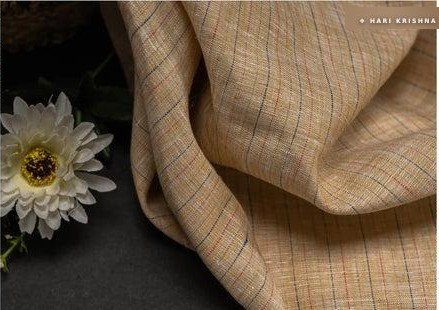
Advantages of Linen Fabric
- Linen is a unique fabric known for its strength, comfort, and sustainability.
- It keeps you cool in hot weather and provides comfort when it's cooler.
- Linen quickly absorbs moisture, making it perfect for active lifestyles.
- The fabric naturally resists bacteria, so it stays fresh longer without needing frequent washing.
- Environmentally, linen is a great choice because flax requires less water and fewer chemicals to grow compared to cotton.
- Flax naturally decomposes when it’s no longer usable, making linen an eco-friendly option.
- Linen combines the benefits of being eco-friendly with long-lasting, high-quality comfort.
Disadvantages and Limitations of Linen Fabric
- Linen wrinkles easily.
- It is more expensive than other fabrics.
- It can feel stiff at first.
- Linen requires special care when washing.
- It has limited stretch and may fade over time.
- Linen is best suited for warm weather.
- It needs specialized cleaning to maintain its quality.
Care and Maintenance of Linen Fabric
- Wash your linen in cool or lukewarm water with a gentle detergent.
- Keep whites and colors separate to prevent color mixing.
- Avoid bleach as it can damage the fibers.
- Air dry linen naturally whenever possible.
- Iron linen while slightly damp using medium heat, and use steam for stubborn wrinkles.
- Clean your linen before storing it.
- Store linen in breathable containers like cotton bags or wooden chests.
- Avoid plastic containers that trap moisture.
- Store linen in a cool, dry place to keep it fresh.
- Following these care steps helps your linen last longer while maintaining its beauty and comfort.
Sustainability and Environmental Impact of Linen Fabric
- Linen is an environmentally friendly fabric, making it a smart choice for the planet.
- Flax plants, which produce linen, use 60% less water than cotton crops.
- Flax is naturally resistant to pests, so farmers don’t need to rely on pesticides.
- Every part of the flax plant has a purpose, from fibers for fabric to seeds for food and oil.
- When linen reaches the end of its life, it decomposes naturally, returning to the earth.
- Growing and processing flax can be carbon-neutral, helping combat climate change.
Care & Maintenance Guidelines
Wash your linen in cool or lukewarm water with a gentle detergent.
Wash your linen in cool or lukewarm water with a gentle detergent.
Keep whites and colors separate to prevent color mixing.
Keep whites and colors separate to prevent color mixing.
Avoid bleach as it can damage the fibers.
Avoid bleach as it can damage the fibers.
Air dry linen naturally whenever possible.
Air dry linen naturally whenever possible.
Iron linen while slightly damp using medium heat, and use steam for stubborn wrinkles.
Iron linen while slightly damp using medium heat, and use steam for stubborn wrinkles.
Clean your linen before storing it.
Clean your linen before storing it.
Store linen in breathable containers like cotton bags or wooden chests.
Store linen in breathable containers like cotton bags or wooden chests.
Avoid plastic containers that trap moisture.
Avoid plastic containers that trap moisture.
Store linen in a cool, dry place to keep it fresh.
Store linen in a cool, dry place to keep it fresh.
Following these care steps helps your linen last longer while maintaining its beauty and comfort.
Following these care steps helps your linen last longer while maintaining its beauty and comfort.
Pros & Limitations
- Linen is a unique fabric known for its strength, comfort, and sustainability.
- It keeps you cool in hot weather and provides comfort when it's cooler.
- Linen quickly absorbs moisture, making it perfect for active lifestyles.
- The fabric naturally resists bacteria, so it stays fresh longer without needing frequent washing.
- Environmentally, linen is a great choice because flax requires less water and fewer chemicals to grow compared to cotton.
- Flax naturally decomposes when it’s no longer usable, making linen an eco-friendly option.
Frequently Asked Questions
Was this fabric wiki guide helpful?
Your feedback helps our textile team continuously refine our specs.
Hari Krishna Fabric Experts
Textile Mill & Quality Engineering Team
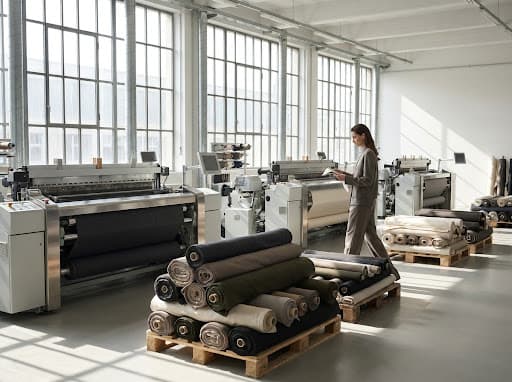
The Hari Krishna Textile Quality & Engineering team oversees weaving precision, GSM batch audits, and fiber testing under international ISO standards at our Surat mill facility.