
It is possible to treat leather such that it either absorbs water, repels water, or is entirely waterproof.
Technical Specifications & Parameters
| Specification Attribute | Standard Spec |
|---|---|
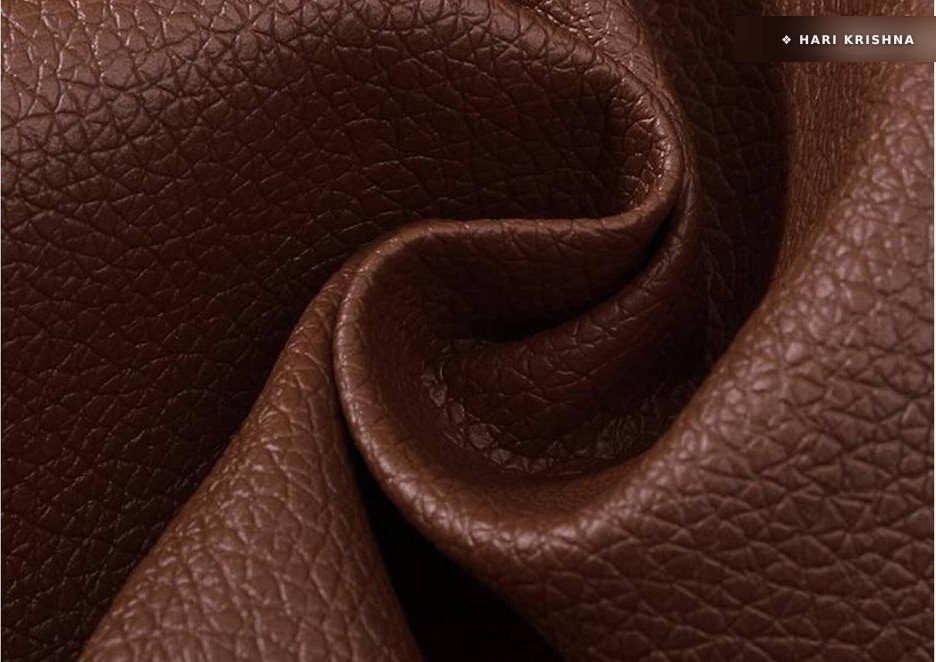
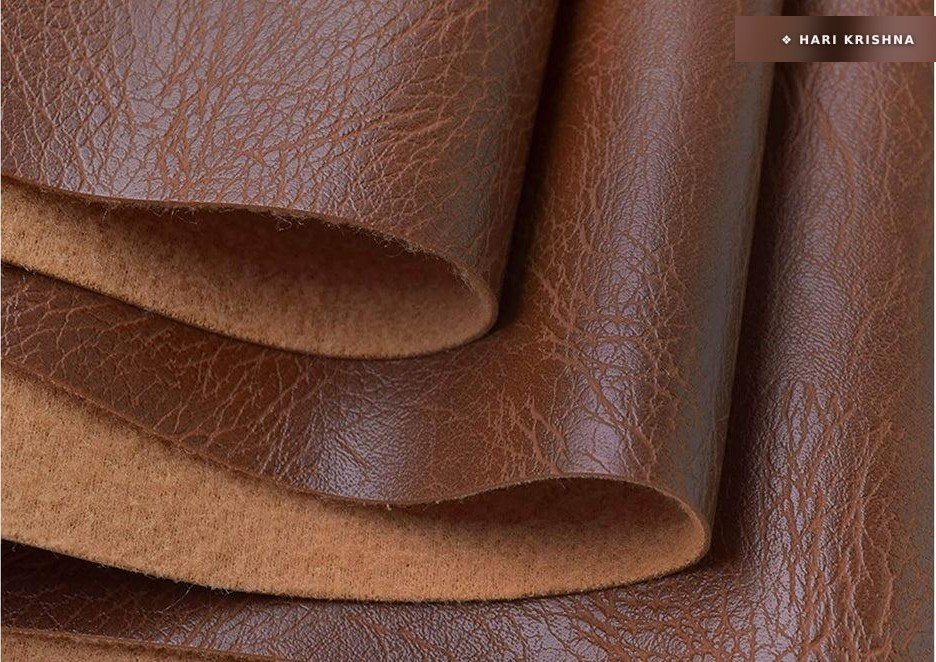
| Texture | The fabric comprises a grainy feel. |
| Fall | Not drapeable |
| Shine | Leather is lustrous in appearance. |
| Water-resistant | It is possible to treat leather such that it either absorbs water, repels water, or is entirely waterproof. |
| Softness | Skins are used to manufacture thin leathers that have an exceptional level of softness and may be utilized for a variety of applications including bookbinding, glove lining, and garment lining. |
What is Leather?
- Leather refers to any fabric that is crafted from the hides or skins of various animals. Different kinds of animals and processing methods provide a wide variety of leathers with their own unique characteristics.
- Although cowhide is the most common form of animal skin used for leather, accounting for around 65 percent of all leather produced, the skin of practically any other species, including crocodiles, pigs, and stingrays, may also be tanned and processed into leather.
- Leather is a long-lasting material that does not easily wrinkle, and it has the ability to take on a wide variety of appearances and textures depending on the kind of animal, grade, and treatment it receives.
- The production of leather may be broken down into three primary subprocesses: the preparation steps, the tanning, and the crusting.

History
- Crafting items out of leather is an age-old craft that dates back more than 7,000 years and is being done today.
- To preserve the fresh skins, they were first sun-dried, then pounded in animal fats and brains, and last salted and smoked to kill any bacteria that could have been present.
- Around 400 B.C., Egyptians, and Hebrews discovered the process of tanning vegetable skins using a combination of straightforward drying and curing methods.
- The Arabs were responsible for the preservation of the technique of leatherworking as well as its subsequent improvement throughout the Middle Ages. As a result, leathers like morocco and cordovan grew to be highly valued.
- Tanning leather had become increasingly common in Europe by the 15th century, and by the middle of the 19th century, power-driven machines that could execute processes like splitting, fleshing, and dehairing had been developed.
- Chemical tannage was first used during the tail end of the 19th century. This technique included the application of oak, sumac, and hemlock tanbark, in addition to chrome salts.
What Makes it Stand Out?
|
Texture |
The fabric comprises a grainy feel. |
|
Fall |
Not drapeable |
|
Shine |
Leather is lustrous in appearance. |
|
Water-resistant |
It is possible to treat leather such that it either absorbs water, repels water, or is entirely waterproof. |
|
Softness |
Skins are used to manufacture thin leathers that have an exceptional level of softness and may be utilized for a variety of applications including bookbinding, glove lining, and garment lining. |
Application and Uses
|
Clothing |
|
|
Home Furnishing |
Couch cover, cushion cover, etc. |
|
Accessories |
Car seats, footwear, etc. |
How to Judge the Authenticity?
- Pure leather has a grainy texture in addition to a smooth and flexible feel.
- Pure leather will feel soft and flexible on the skin.
- It will also be impossible for you to stretch imitation leather, although pure leather can be stretched.
- In conclusion, pure leather has a warm sensation, but synthetic leather has a colder feel.
- Leather has a recognizable aroma that is similar to wood, however imitation leather does not.
Care Instructions
- Use gentle detergent while washing the leather.
- The temperature of the water must be cold to warm.
- In order to avoid cracking, certain treatments and conditions are used.
- While ironing the leather use a low setting.
Care & Maintenance Guidelines
Use gentle detergent while washing the leather.
Use gentle detergent while washing the leather.
The temperature of the water must be cold to warm.
The temperature of the water must be cold to warm.
In order to avoid cracking, certain treatments and conditions are used.
In order to avoid cracking, certain treatments and conditions are used.
While ironing the leather use a low setting.
While ironing the leather use a low setting.
Frequently Asked Questions
Was this fabric wiki guide helpful?
Your feedback helps our textile team continuously refine our specs.
Hari Krishna Fabric Experts
Textile Mill & Quality Engineering Team
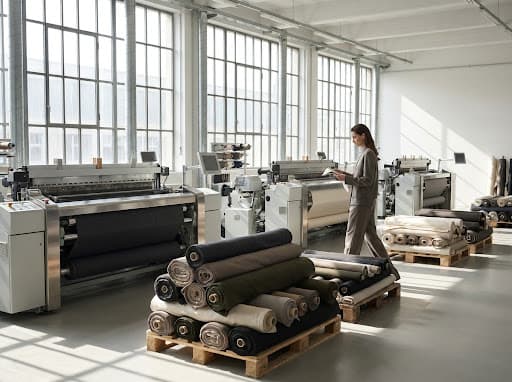
The Hari Krishna Textile Quality & Engineering team oversees weaving precision, GSM batch audits, and fiber testing under international ISO standards at our Surat mill facility.