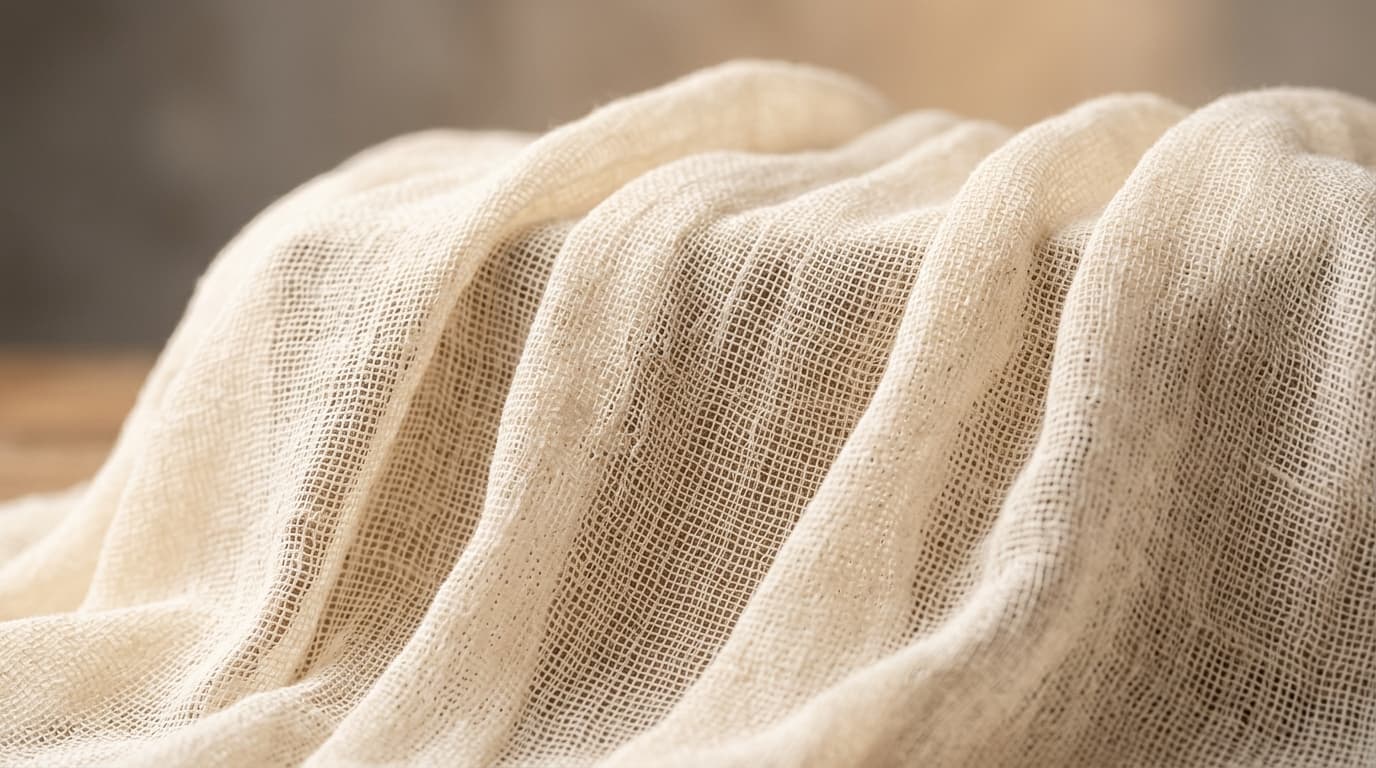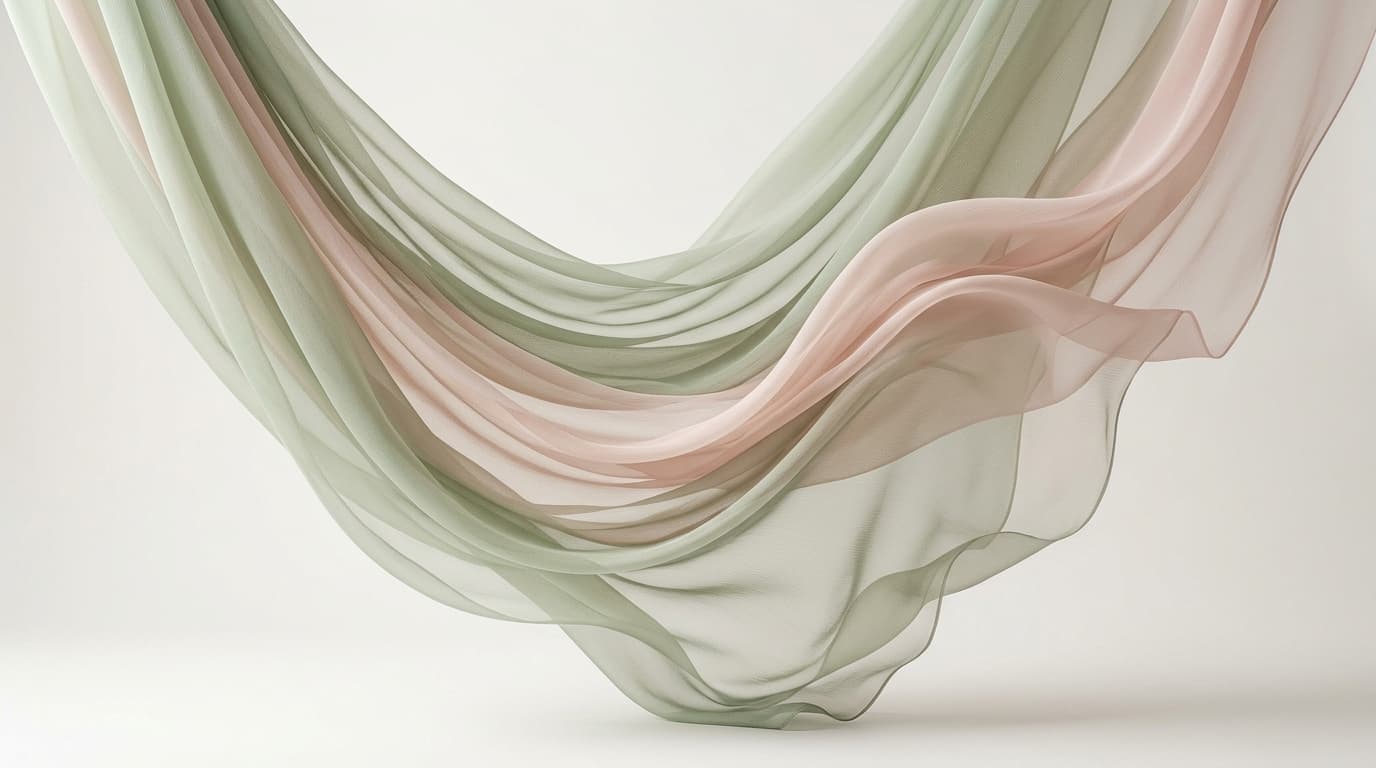

The fabric has a smooth texture and is light in weight.
Technical Specifications & Parameters
| Specification Attribute | Standard Spec |
|---|---|
| Texture | The fabric has a smooth texture and is light in weight. |
| Fall | Gore-tex fabric is not suitable for draping. |
| Sheer | It is opaque in appearance. |
| Breathability | The fabric is breathable with water-resistant properties. |
What is Gore-Tex Fabric?
- Expanded polytetrafluoroethylene (PTFE) is a form of polytetrafluoroethylene (PTFE) that is used to make a specialized type of waterproof fabric known as GORE-TEX (ePTFE).
- GORE-TEX was one of the first flexible waterproof textiles ever made, and it is still one of the most popular and widely used types of waterproofing material, with very few notable competitors.
- This fabric has millions of very small holes per inch, and each of these holes is far too small to allow even the tiniest water droplet to pass through it.

History
- In the 1940s, Wilbert L. Gore started his professional life working for the DuPont Corporation, where he is best known for inventing GORE-TEX and founding W.L. Gore and Associates.
- Gore was an employee at DuPont during the most significant era of scientific developments in the business, and he became particularly fascinated with PTFE, which was one of the most exciting polymers that DuPont produced at the time.
- In 1958, Wilbert resigned from his position at DuPont so that he could devote more time to investigating what he perceived to be unrealized potential in PTFE. Wilbert put PTFE through a wide range of tests to find out what qualities it had been hiding all along. He did this with the help of his wife, Genevieve, and their son, Bob.
- After many years of fruitless searching, the Gore family got more and more upset, and on a certain day in 1969, Bob Gore finally lost it.
- The Gores had only recently begun doing experiments that included stretching heated rods of PTFE. During one of these tests, Bob Gore got angry and pulled on a rod instead of extending it step by step.
- It came as quite a shock to him when the rod stretched almost one thousand times its original length, producing a very porous substance that included more than seventy percent air.
- In the roughly 10 years that followed, W.L. Gore and Associates submitted several patent applications for their innovative new material, which they eventually came to call GORE-TEX. The last of these patents were granted in 1980, which is four years after the first GORE-TEX clothing was made available to consumers on the market.

What Makes it Stand Out
|
Texture |
The fabric has a smooth texture and is light in weight. |
|
Fall |
Gore-tex fabric is not suitable for draping. |
|
Sheer |
It is opaque in appearance. |
|
Breathability |
The fabric is breathable with water-resistant properties. |

Applications & Usage
|
Clothing |
|
|
Accessories |
Hats, shoes, gloves, backpacks, etc. |
Care Instructions
- Machine wash (105°F/40°C). Use a small amount of liquid detergent. Rinse twice and minimize spinning.
- Don't use powder detergents, fabric softeners, stain removers, or bleach.
- Don't wash with heavily soiled clothing.
- Tumble dry on a warm gentle cycle or line dry your outerwear. Once dry, tumble dry for a further 20 minutes to reactivate the durable water repellent (DWR) treatment.
- Iron the garment in a gentle setting. When ironing, protect the garment with a towel or cloth. Don't use steam.
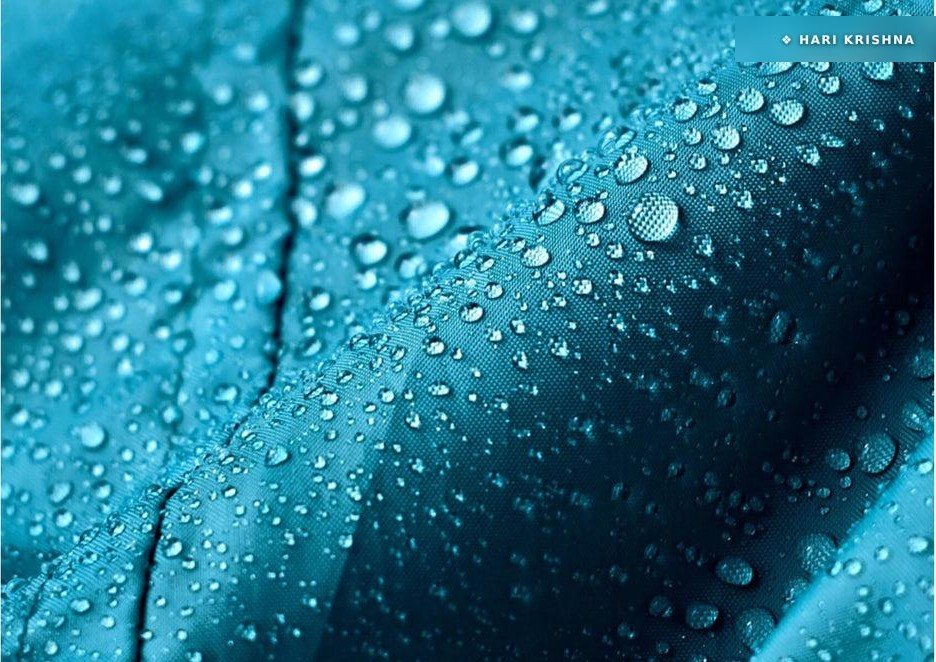
- If water doesn’t bead and run off after washing, you’ll need to reapply a durable water repellent (DWR).
Care & Maintenance Guidelines
Machine wash (105°F/40°C). Use a small amount of liquid detergent. Rinse twice and minimize spinning.
Machine wash (105°F/40°C). Use a small amount of liquid detergent. Rinse twice and minimize spinning.
Don't use powder detergents, fabric softeners, stain removers, or bleach.
Don't use powder detergents, fabric softeners, stain removers, or bleach.
Don't wash with heavily soiled clothing.
Don't wash with heavily soiled clothing.
Tumble dry on a warm gentle cycle or line dry your outerwear. Once dry, tumble dry for a further 20 minutes to reactivate the durable water repellent (DWR) treatment.
Tumble dry on a warm gentle cycle or line dry your outerwear. Once dry, tumble dry for a further 20 minutes to reactivate the durable water repellent (DWR) treatment.
Iron the garment in a gentle setting. When ironing, protect the garment with a towel or cloth. Don't use steam.
Iron the garment in a gentle setting. When ironing, protect the garment with a towel or cloth. Don't use steam.
If water doesn’t bead and run off after washing, you’ll need to reapply a durable water repellent (DWR).
If water doesn’t bead and run off after washing, you’ll need to reapply a durable water repellent (DWR).
Frequently Asked Questions
Was this fabric wiki guide helpful?
Your feedback helps our textile team continuously refine our specs.
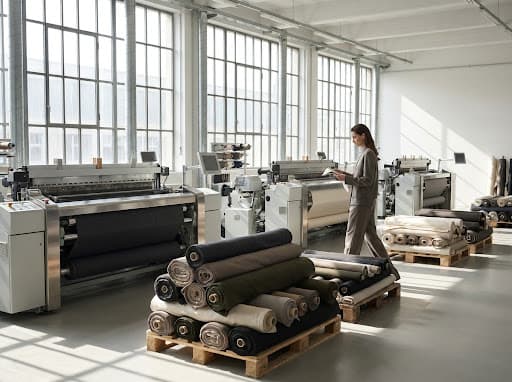
Hari Krishna Fabric Experts
Textile Mill & Quality Engineering Team
The Hari Krishna Textile Quality & Engineering team oversees weaving precision, GSM batch audits, and fiber testing under international ISO standards at our Surat mill facility.