Skip to content
Hari Krishna Tex-Fab
FABRIC WIKI

Corduroy Fabric

Corduroy is a crinkled and durable fabric that is made with a variety of materials. People still see corduroy as a versatile and durable fabric that is ideal fo

HK
Hari Krishna Fabric Experts
Dec 2026
9 Min Read
100–140 GSM
Share:
Corduroy Fabric
HK
HARI KRISHNAFABRIC WIKI
Plain Weave

Introduction to Corduroy Fabric It is a flexible fabric that has an original wrinkled texture caused by vertical lines ...

Technical Specifications & Parameters

Specification AttributeStandard Spec
Standard WaleClassic corduroy with about 11 wales per inch
PinwaleFiner ribs Lighter and softer fabric
Elephant CordVery wide wales Giving a substantial texture.
Cotton CorduroySoft and comfortable The most common type
Polyester CorduroyDurable Wrinkle resistant Mixed with other fibers
Velvet CorduroyLuxurious with a dense Velvety texture

Introduction to Corduroy Fabric

  • It is a flexible fabric that has an original wrinkled texture caused by vertical lines known as wales.
  • This fabric, typically made of cotton or cotton combinations, has grown from its practical roots to become an attractive, permanent option in fashion and interior design.
  • Durability, breathability and moisture absorption are all well known attributes.
  • Popular in apparel and home furnishings.
  • Unique weaving techniques achieve its texture.

    The History of Corduroy

    • Corduroy gets its name from the English words cord and Duroy which connect to a coarse wool fabric from the 18th century, instead of the French phrase "corde du roi" (cord of the king).
    • Corduroy has ancient origins with evidence of use in Egypt dating back to the sixteenth century.
    • Initially regarded as a premium textile.
    • It is well-known for its toughness and distinct texture and has grown in favor among both the working and higher classes. 
    • By the 20th century, corduroy became a standard in fashion and furniture.
    3. What is Corduroy Fabric?

    • Corduroy is produced from natural fibers, usually cotton but polyester blends are also occasionally used.
    • The fabric's characteristic feature is its raised texture which is achieved by weaving extra fibers into it.
    • The width of the wales can vary with finer wales having a sensitive feel and wider wales having a more rough texture.
    • The distinct texture both adds visual appeal and increases the fabric's strength.
    • corduroy is good for both casual wear and applications like upholstery.

    Types of Corduroy Fabrics:

    Type of Corduroy

    Description

    Standard Wale

    • Classic corduroy with about 11 wales per inch

    Pinwale

    • Finer ribs
    • Lighter and softer fabric

    Elephant Cord

    • Very wide wales
    • Giving a substantial texture.

    Cotton Corduroy

    • Soft and comfortable
    • The most common type

    Polyester Corduroy

    • Durable
    • Wrinkle resistant
    • Mixed with other fibers

    Velvet Corduroy

    • Luxurious with a dense
    • Velvety texture


    Different Types of Corduroy Weaves:

    Type of Corduroy Weave

    Characteristics

    Benefits

    Plain Weave Corduroy

    • Simple weaving pattern
    • Balanced structure
    • Stable fabric.
      • Easy to maintain
      • Reliable performance
      • Cost effective
      • Versatile

      Twill Weave Corduroy

      • Diagonal line pattern
      • Enhanced drape and flexibility
        • Better draping qualities
        • Increased durability
        • Enhanced comfort
        • Superior wrinkle resistance

        Satin Weave Corduroy

        • Glossy surface
        • Smooth texture
        • Luxurious drape
        • Rich color depth
          • Elegant appearance
          • Superior drape
          • Unique visual appeal
          • Premium market positioning

          Jersey Knit Corduroy

          • Inherent stretch properties
          • Softer
          • More casual appearance
          • Comfortable to wear
            • Enhanced comfort
            • Better movement allowance
            • Easy care
            • Casual aesthetic
            • Versatile styling options

              The Corduroy Growing Process:

              Growing Stage

              Details

              1. Pre-Planting Preparation

              • Soil testing and analysis
              • Field preparation and leveling
              • Nutrient management planning
              • Irrigation system setup
              • Weed control measures

                2. Planting Phase

                • Timing: When the soil temperature reaches 65°F (18°C), Seed depth: 0.5-1.5 inches, 
                • Row spacing: 30-40 inches, 
                • Plant population: 40,000-50,000 per acre

                  3. Early Growth Stage (0-45 days)

                  • Emergence monitoring
                  • Early pest management
                  • Initial fertilizer application
                  • Moisture level maintenance
                  • Weed control implementation

                    4. Vegetative Growth (45-65 days)

                    • Canopy development
                    • Nutrient management
                    • Irrigation scheduling, Growth monitoring
                    • Pest and disease control

                    5. Flowering Stage (65-85 days)

                    • Bloom monitoring
                    • Pollination support
                    • Nutrient adjustment
                    • Water management
                    • Pest control maintenance

                    6. Boll Development (85-130 days)

                    • Boll monitoring
                    • Moisture management
                    • Nutrient maintenance
                    • Disease prevention
                    • Quality assessment

                    7. Maturation (130-160 days)

                    • Defoliation timing
                    • Harvest preparation
                    • Final quality checks
                    • Weather Monitoring
                    • Equipment preparation


                    Manufacturing Process of Corduroy Fabric:

                    Stage

                                 Details

                    1. Harvesting and Cleaning

                    • Cotton Harvesting: Harvested by mechanical harvesters or handpicking.
                    • Cleaning: Separated from seeds using ginning and remove impurities.

                      2. Carding and Combing

                      • Carding: The strands are separated, mixed, and shaped into slivers.
                      • Combing: Combing requires eliminating smaller strands and coordinating the remaining fibers to create a smoother, stronger yarn.

                        3. Spinning

                        • Spinning: twisted into yarn of varying thickness and texture.

                        4. Weaving

                        • Weaving:  The yarn is woven into the fabric using a loom.
                        • Pile Formation:  Extra pile threads are used to form raised ridges (wales) which can be cleaned or left as loops.

                          5. Finishing

                          • Dyeing: The cloth is dyed using either piece or yarn dyeing processes.
                          • Softening: Softening compounds and mechanical techniques such as brushing and sanding are used to improve texture.
                          • Quality Control: Quality control includes defect checks and durability tests to ensure quality.

                          Features of Corduroy Fabric:

                          Feature

                                              Description

                          1. Comfort

                          • Softness: Corduroy has a soft, velvety texture that makes it comfortable, especially in cold conditions. The popular spikes contribute to its velvety softness.
                          • Breathability: Because of its roughness, it allows for air circulation, making it ideal for changing seasons like fall and spring, as well as layering in winter.

                                2. Durability

                                • Resilience: Corduroy's resilience stems from its rough weave which resists wear. The raised pile threads form a strong fabric structure that is suitable for long term use.
                                • Tensile Strength: Corduroy is ideal for powerful items like pants and jackets because it maintains its integrity even after regular washing or usage.

                                      3. Moisture Absorption

                                      • Effective Absorption: Corduroy absorbs moisture successfully, keeping the user dry and comfortable, particularly in wintertime.
                                      • Comfort in Humid Conditions: It aids in the wicking of perspiration, avoiding sweat buildup, making it a comfortable solution for daily wear.

                                            4. Natural Properties

                                            • Biodegradable: Corduroy, made of cotton or other fibers that are natural, is biodegradable and degrades naturally without impacting the environment.
                                            • Renewable: Cotton, a fundamental fiber, is a renewable resource, and sustainable processes for production convert it into an environmentally friendly fabric.
                                            • Eco friendly Production: Corduroy can be produced using environmentally friendly methods, minimizing its environmental impact even more.


                                                  Uses of Corduroy Fabric:

                                                  Category

                                                  Applications and Uses

                                                  1. Fashion and Apparel

                                                  • Outerwear-
                                                  1. Jackets and Blazers
                                                  2. Coats and Overcoats
                                                    • Bottoms-
                                                    1. Pants and Trousers
                                                    2. Skirts
                                                    • Casual Wear-
                                                      1. Shirts and Tops
                                                      2. Overalls and Jumpsuits

                                                        2. Home Furnishings

                                                        • Furniture Upholstery-
                                                        1. Seating
                                                        2. Decorative Elements
                                                          • Window Treatments-
                                                          1. Curtains
                                                          2. Drapes
                                                            • Bedding-
                                                            1. Bed Coverings
                                                            2. Accessories

                                                              3. Fashion Accessories

                                                              • Bags-
                                                              1. Handbags
                                                              2. Utility Bags
                                                                • Personal Accessories-
                                                                1. Headwear
                                                                2. Cold Weather Items

                                                                  4. Children's Wear

                                                                  • Everyday Clothing-
                                                                  1. School Wear
                                                                  2. Outerwear
                                                                    • Special Items-
                                                                    1. Dress Clothes
                                                                    2. Play Clothes

                                                                      5. Craft Projects

                                                                      • Home Decor-
                                                                      1. DIY Projects
                                                                      2. Quilting
                                                                        • Fashion Projects-
                                                                        1. Handmade Clothing
                                                                        2. Accessories

                                                                          Corduroy Fabric vs. Synthetic Fabrics:

                                                                          Category

                                                                          Corduroy

                                                                          Synthetic Fabrics

                                                                          Breathability

                                                                          • Natural air circulation
                                                                          • Moisture wicking
                                                                          • Temperature regulation
                                                                          • Comfort in varying conditions
                                                                          • Enhanced comfort
                                                                          • Limited air permeability
                                                                          • Potential moisture trapping
                                                                          • Less temperature regulation
                                                                          • May feel warm in hot weather
                                                                          • Possible discomfort during extended wear

                                                                          Material Composition

                                                                          Types & Commercial Variations

                                                                          Simple weaving pattern Balanced structure Stable fabric.

                                                                          Plain Weave Corduroy

                                                                          Simple weaving pattern Balanced structure Stable fabric. — Easy to maintain Reliable performance Cost effective Versatile

                                                                          Diagonal line pattern Enhanced drape and flexibility

                                                                          Twill Weave Corduroy

                                                                          Diagonal line pattern Enhanced drape and flexibility — Better draping qualities Increased durability Enhanced comfort Superior wrinkle resistance

                                                                          Glossy surface Smooth texture Luxurious drape Rich color depth

                                                                          Satin Weave Corduroy

                                                                          Glossy surface Smooth texture Luxurious drape Rich color depth — Elegant appearance Superior drape Unique visual appeal Premium market positioning

                                                                          Inherent stretch properties Softer More casual appearance Comfortable to wear

                                                                          Jersey Knit Corduroy

                                                                          Inherent stretch properties Softer More casual appearance Comfortable to wear — Enhanced comfort Better movement allowance Easy care Casual aesthetic Versatile styling options

                                                                          Care & Maintenance Guidelines

                                                                          01

                                                                          Gentle Wash

                                                                          Wash with mild textile liquid detergent in cold or lukewarm water.

                                                                          02

                                                                          Air Dry in Shade

                                                                          Avoid direct scorching sunlight to preserve natural fiber luster.

                                                                          03

                                                                          Low Heat Iron

                                                                          Press on reverse side using steam iron at recommended temperature.

                                                                          Fabric Comparison Matrix

                                                                          Compare key properties of Corduroy Fabric against other textiles:

                                                                          CategoryCorduroySynthetic Fabrics
                                                                          BreathabilityNatural air circulation Moisture wicking Temperature regulation Comfort in varying conditions Enhanced comfortLimited air permeability Potential moisture trapping Less temperature regulation May feel warm in hot weather Possible discomfort during extended wear
                                                                          Material Composition

                                                                          Frequently Asked Questions

                                                                          Was this fabric wiki guide helpful?

                                                                          Your feedback helps our textile team continuously refine our specs.
                                                                          Hari Krishna Fabric Experts
                                                                          ARTICLE AUTHOR & QUALITY AUDITOR

                                                                          Hari Krishna Fabric Experts

                                                                          Textile Mill & Quality Engineering Team

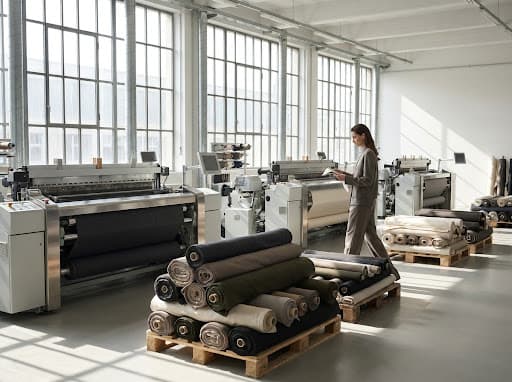
                                                                          The Hari Krishna Textile Quality & Engineering team oversees weaving precision, GSM batch audits, and fiber testing under international ISO standards at our Surat mill facility.
                                                                          STAY AHEAD IN TEXTILES

                                                                          Get fabric trends delivered to your inbox.

                                                                          Join over 400+ fashion designers, bridal houses, and garment brands receiving monthly textile R&D reports.