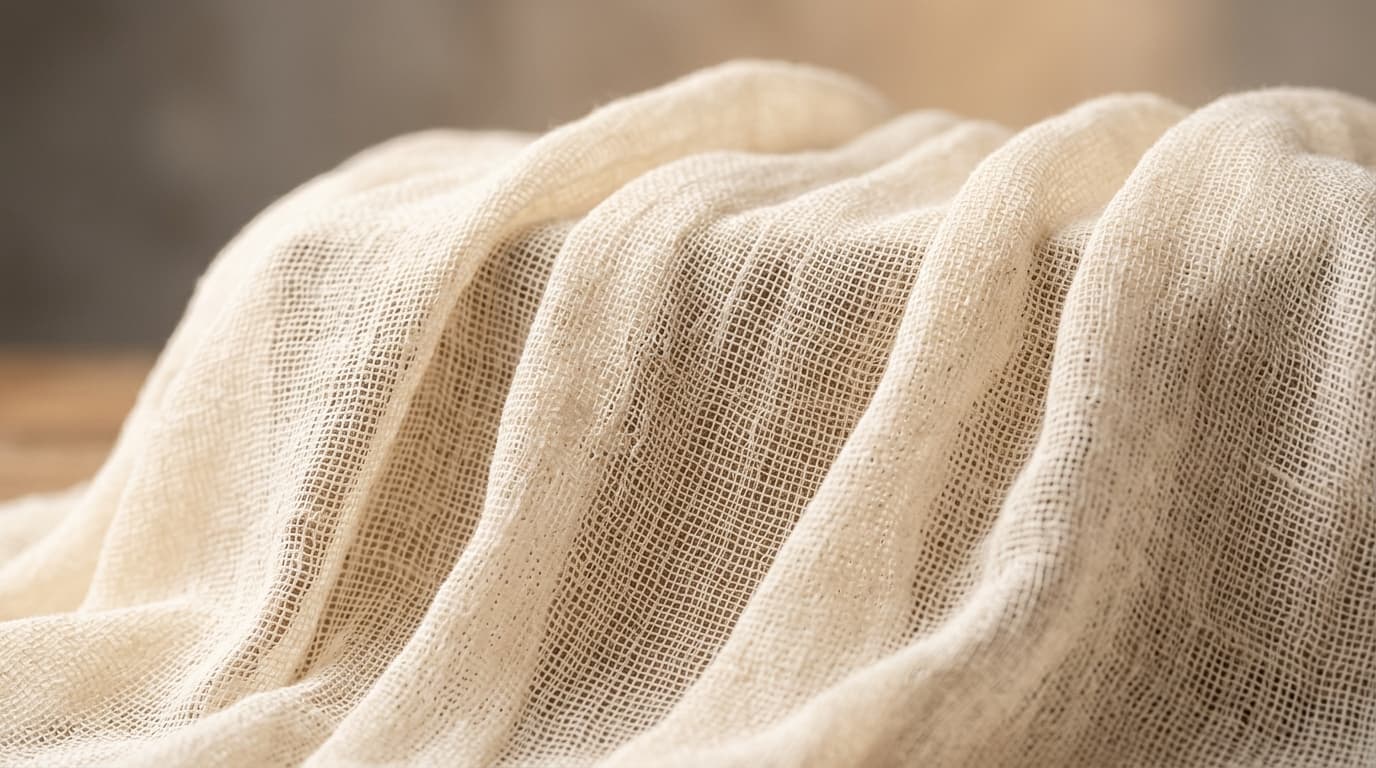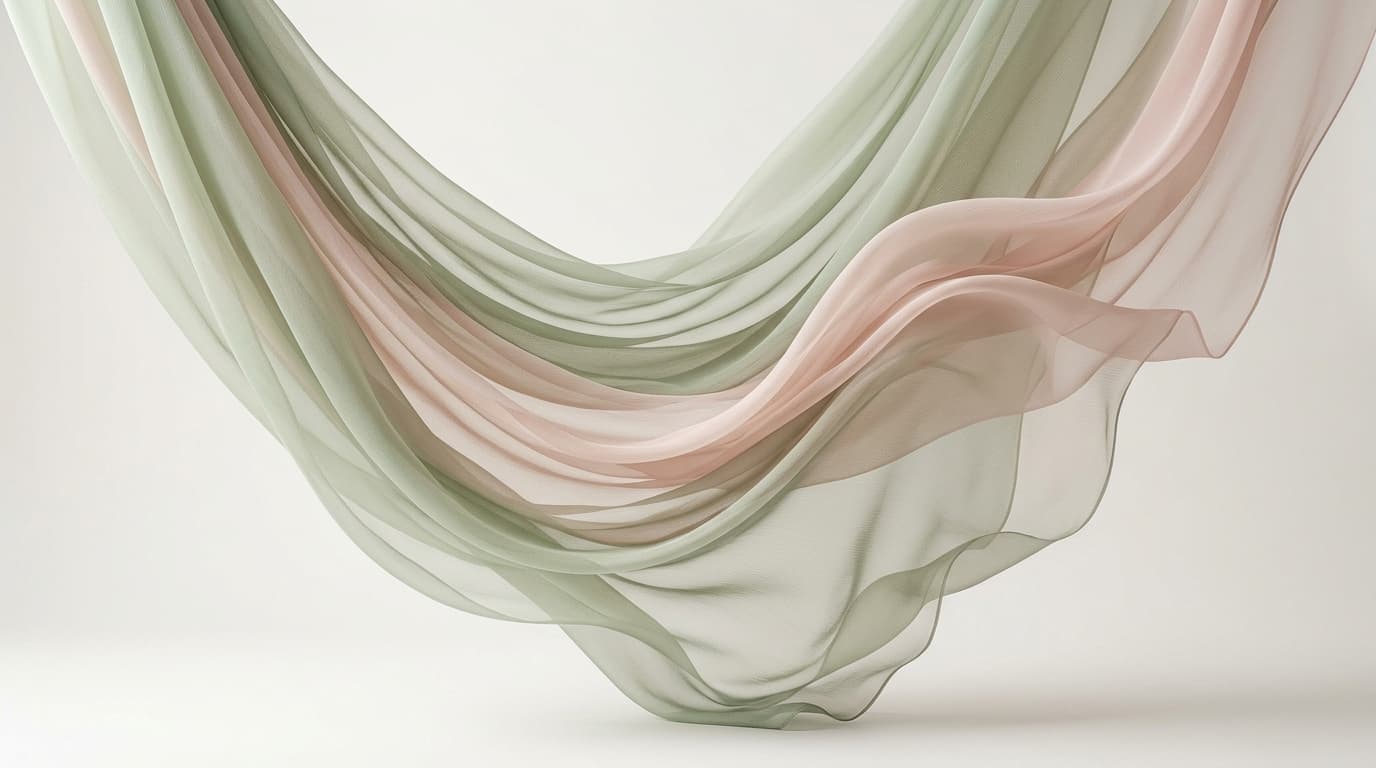

Due to its smooth texture the fabric gives a flowy drape.
Technical Specifications & Parameters
| Specification Attribute | Standard Spec |
|---|---|
| Texture | Chambray has a smooth and soft texture. |
| Fall | Due to its smooth texture the fabric gives a flowy drape. |
| Breathable | It is breathable and has a moisture-wicking properties. |
What is Chambray Fabric?
- The natural fibers of linen or cotton are used in the production of chambray, which is a kind of fabric.
- Cambric and batiste are two names that are sometimes used to refer to variations of chambray fabric. The production of this kind of fabric dates back hundreds of years.
- Denim is a form of fabric that is quite similar to this type of fabric, which is fine and thick at the same time. Denim is heavier and less breathable than chambray. As a consequence of this difference, chambray is substantially lighter.
- It is characterized by a pattern that gives it a look that is reminiscent of heathering. This is the result of a simple weave with a 1 to 1 ratio with a colored warp (often blue) and a white weft.
- The fabric has a certain depth thanks to the white threads that flow over the colorful ones, all while keeping a lower weight.

History
- The history of chambray may be traced back to the middle of the 1500s; it evolved from the cambric fabric in the beginning.
- Cambric is a light fabric that was traditionally made from linen. It has a simple weave and is not very thick.
- The first time the fabric was made was in Cambrai, which is now in northern France.
- Cambric was a high-quality fabric that was traditionally used for a variety of purposes, including shirting, handkerchiefs, and more complex items such as lace and embroidery.
- Chambray is a type of fabric that started out as a simple weave. It first became popular in the early 1800s.
- It received official support from publications such as the US Farmer's Bulletin in 1831.
- Denim and chambray were originally approved for use by the United States Navy in 1901, which paved the path for broad use of the fabric in the United States.
- From that point on, all the way until World War II, it was not uncommon for sailors to be seen wearing denim pants and chambray shirts.
- Workers all over the United States liked the shirting fabric very quickly, which led to the phrase "blue collar" being used a lot.

What Makes it Stand Out
|
Texture |
Chambray has a smooth and soft texture. |
|
Fall |
Due to its smooth texture the fabric gives a flowy drape. |
|
Breathable |
It is breathable and has a moisture-wicking properties. |

Applications & Usage
|
Clothing |
Shirts, dresses, shorts, tops, etc. |
|
Curtains, pillow cover, tablecloths, mats, etc. |
Care Instructions
- The fabric is machine washable.
- Washing in cold water will prevent the fabric from shrinking.
- Dry the fabric using the low setting on the tumble dryer.
- Because it creases readily, you will need to iron it on a regular basis.
- Place the iron on the cotton setting.

Care & Maintenance Guidelines
The fabric is machine washable.
The fabric is machine washable.
Washing in cold water will prevent the fabric from shrinking.
Washing in cold water will prevent the fabric from shrinking.
Dry the fabric using the low setting on the tumble dryer.
Dry the fabric using the low setting on the tumble dryer.
Because it creases readily, you will need to iron it on a regular basis.
Because it creases readily, you will need to iron it on a regular basis.
Place the iron on the cotton setting.
Place the iron on the cotton setting.
Frequently Asked Questions
Was this fabric wiki guide helpful?
Your feedback helps our textile team continuously refine our specs.
Hari Krishna Fabric Experts
Textile Mill & Quality Engineering Team
The Hari Krishna Textile Quality & Engineering team oversees weaving precision, GSM batch audits, and fiber testing under international ISO standards at our Surat mill facility.