The fabric does not burn easily. Its melting point is over 650 degrees celsius.
Technical Specifications & Parameters
| Specification Attribute | Standard Spec |
|---|---|
| Fire-resistant | The fabric does not burn easily. Its melting point is over 650 degrees celsius. |
| Durable | Due to the coating of Teflon, the fabric is durable and does not tear easily. |
What is Beta Cloth?
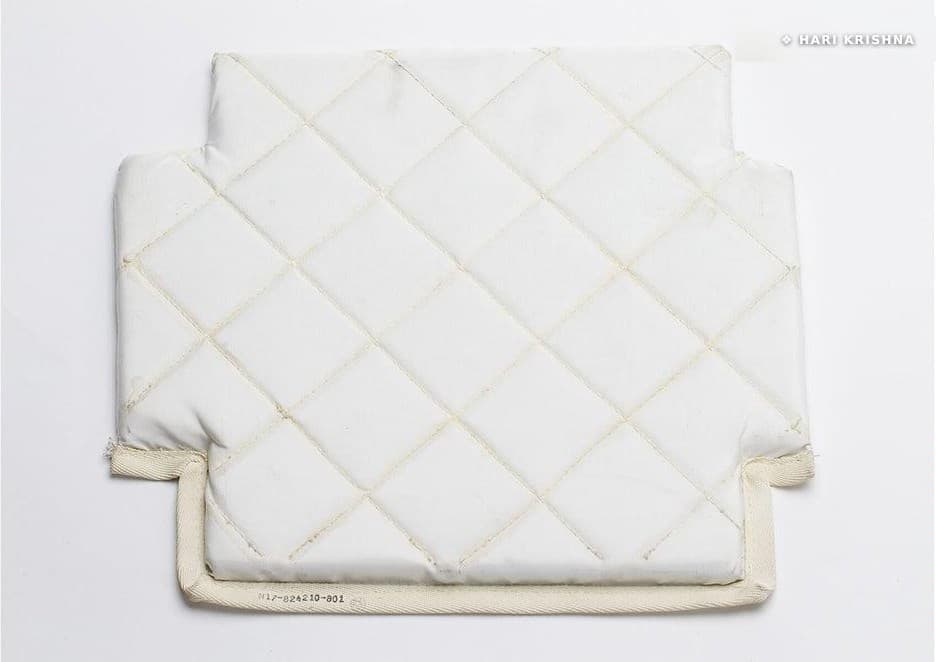
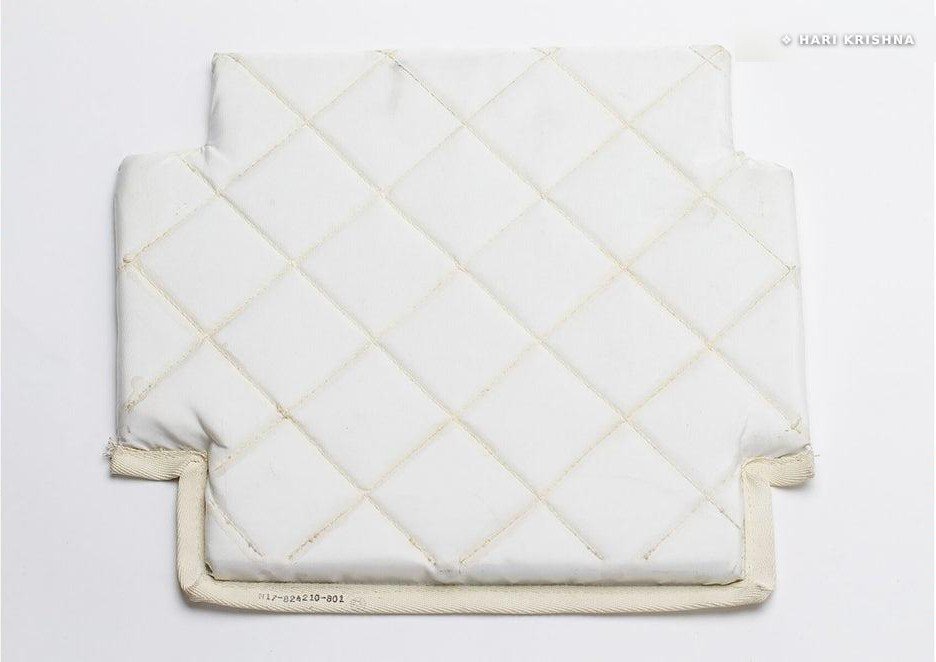
- Beta cloth is a type of fireproof silica fiber cloth that was used in the production of Apollo/Skylab A7L space suits, the Apollo Thermal Micrometeoroid Garment, the McDivitt Purse, and in a variety of other specialized applications.
- It is a material similar to fiberglass that is woven into a very tiny mesh, resulting in a cloth that does not catch fire and will only melt at temperatures higher than 650 degrees Celsius.
- Teflon is used to coat the fibers so that they have less of a propensity to break or fold while they are being handled and so that they last longer.
History
- After the fatal fire that occurred on the Apollo 1 launch pad in 1967, in which the astronauts' nylon suits were completely consumed by the flames, NASA decided to add it into their spacesuits.
- Following the incident, NASA issued a requirement that any items with the potential to catch fire be removed from the spaceship as well as the space suits.
- A team from the Manned Spacecraft Center led by Frederick S. Dawn and including Matthew I. Radnofsky created the Manned Spacecraft Center Beta fabric. This team collaborated with Owens-Corning and DuPont to produce this fabric.
What Makes it Stand Out?
|
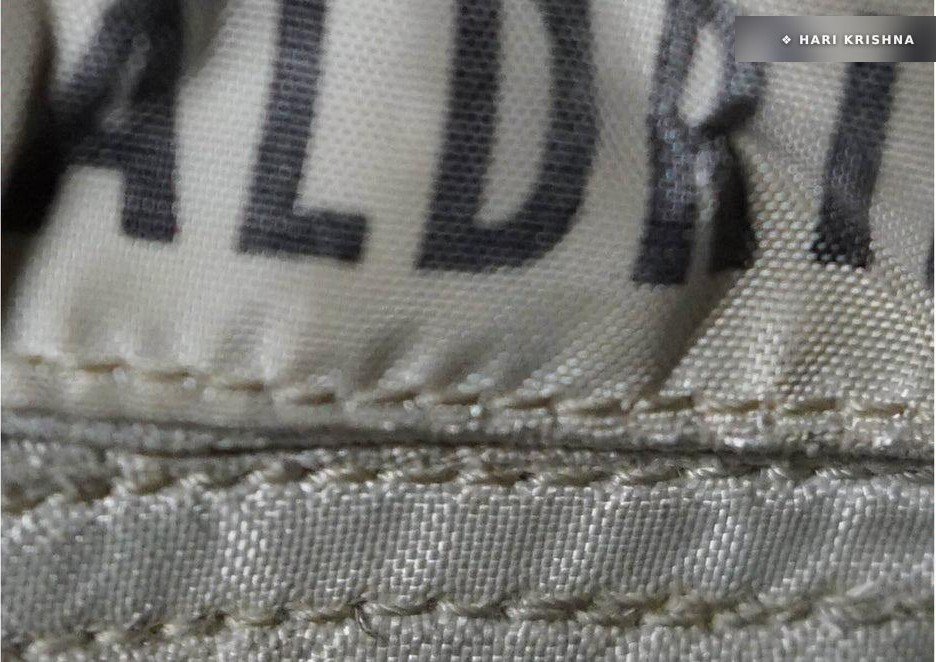
Fire-resistant |
The fabric does not burn easily. Its melting point is over 650 degrees celsius. |
|
Durable |
Due to the coating of Teflon, the fabric is durable and does not tear easily. |
Applications & Uses
- The fabric is used in the production of Apollo/Skylab A7L space suits, the Apollo Thermal Micrometeoroid Garment, the McDivitt Purse, and in a variety of specialized applications.
Care & Maintenance Guidelines
01
Gentle Wash
Wash with mild textile liquid detergent in cold or lukewarm water.
02
Air Dry in Shade
Avoid direct scorching sunlight to preserve natural fiber luster.
03
Low Heat Iron
Press on reverse side using steam iron at recommended temperature.
Frequently Asked Questions
Was this fabric wiki guide helpful?
Your feedback helps our textile team continuously refine our specs.
ARTICLE AUTHOR & QUALITY AUDITOR
Hari Krishna Fabric Experts
Textile Mill & Quality Engineering Team
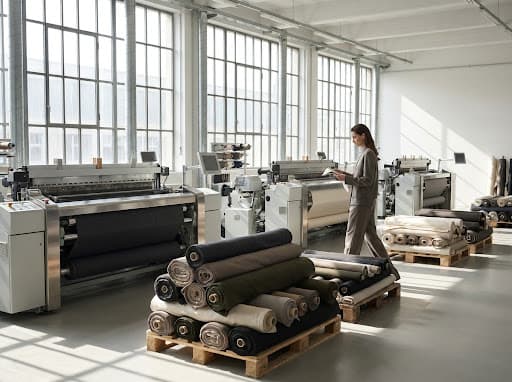
The Hari Krishna Textile Quality & Engineering team oversees weaving precision, GSM batch audits, and fiber testing under international ISO standards at our Surat mill facility.