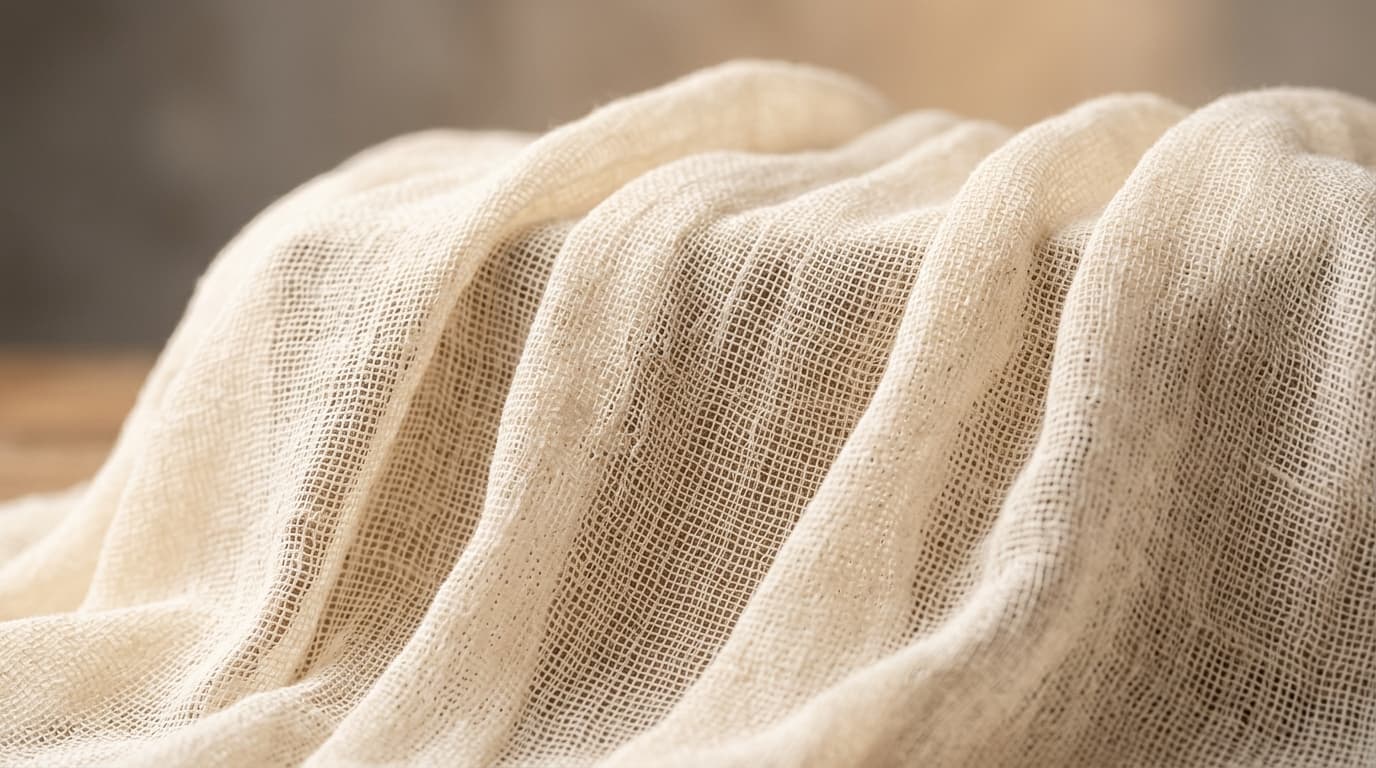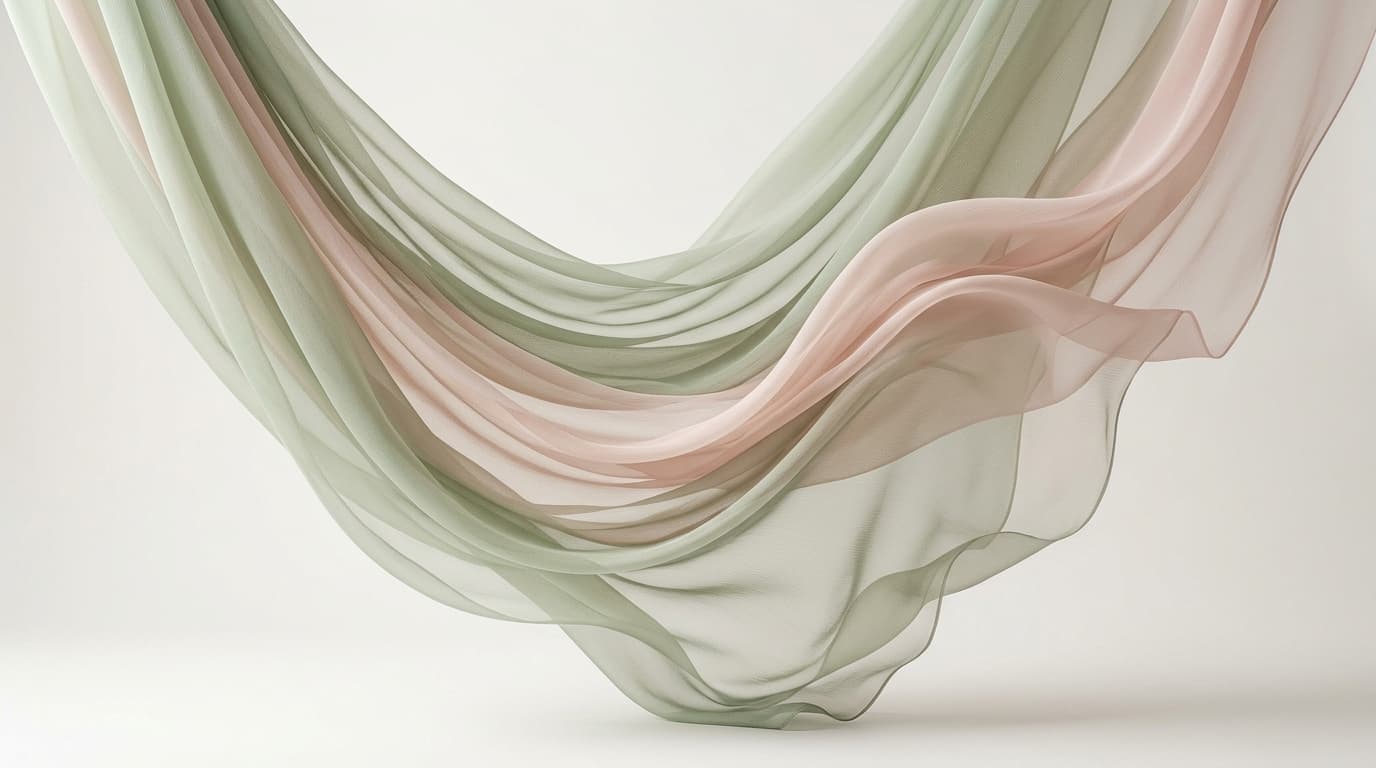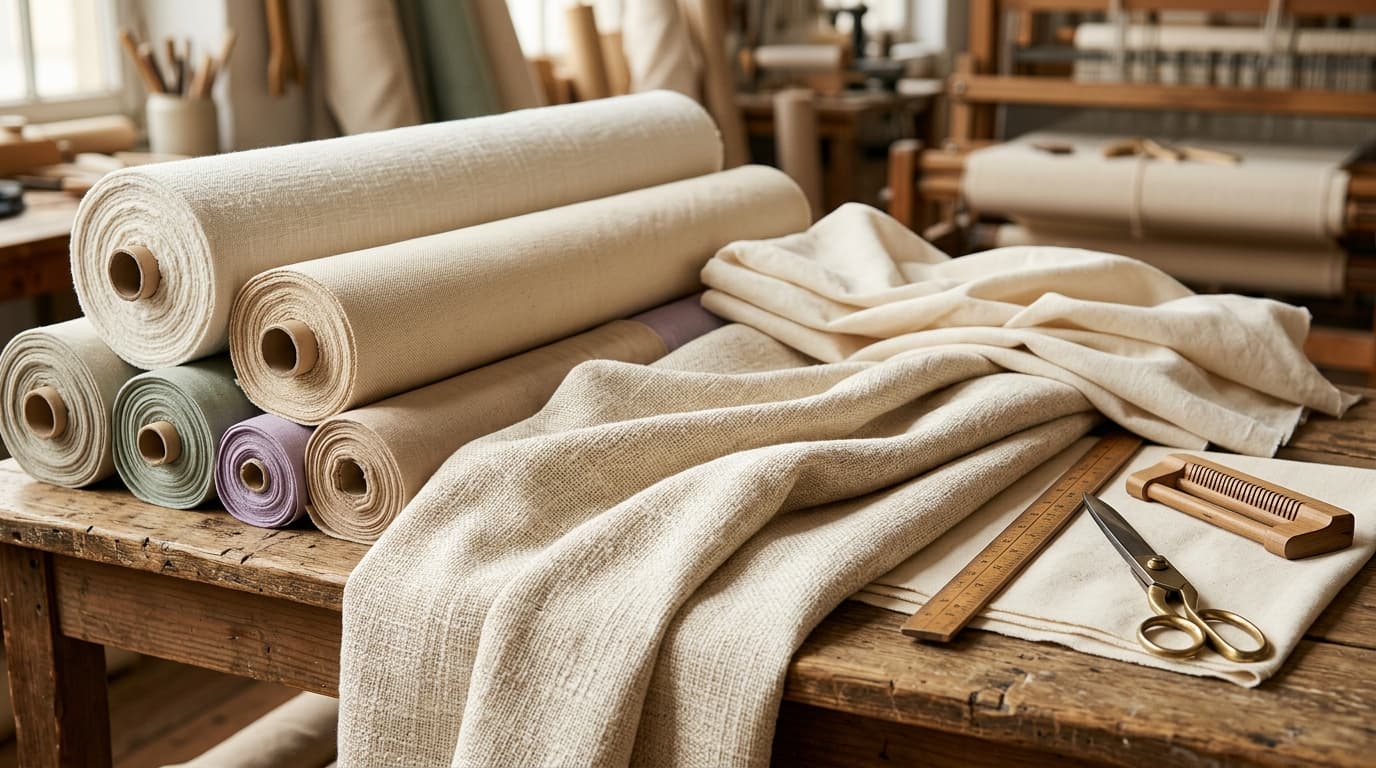
Bamboo Viscose is similar to other types of viscose fabrics.
Technical Specifications & Parameters
| Specification Attribute | Standard Spec |
|---|---|
| Bamboo Viscose | Bamboo Viscose is similar to other types of viscose fabrics. |
| Lyocell Bamboo fabric | It is made by using the closed-loop method. Furthermore, the structure of cellulose used in making this fabric is not altered during the production process. |
| Mechanically produced bamboo fabric | It is a comparatively expensive fabric and takes a lot of time to manufacture. It is durable and strong. |
What is Bamboo Fabric?
- Bamboo textile is an eco-friendly material, which is made from the pulp of bamboo grass.
- It is naturally smooth and has anti-allergic properties.
- Bamboo fabric is much more flexible in comparison to cotton.
- The process of making bamboo fabric is environmentally friendly.
History
- Traditionally bamboo was used for producing weapons and paper.
- The initial patenting of bamboo was done in 1864 by Philipp Lichtenstadt.
- The main idea behind this was to make a useful method for disintegrating the bamboo fibers to produce cloth, pulp for paper, and many more.
- However, bamboo fabric entered the commercial market during the early 2000s.
- In 2001, Beijing University became the first institution to make cloth from bamboo.
Types of Bamboo fabric
|
Bamboo Viscose |
Bamboo Viscose is similar to other types of viscose fabrics. |
|
Lyocell Bamboo fabric |
It is made by using the closed-loop method. Furthermore, the structure of cellulose used in making this fabric is not altered during the production process. |
|
Mechanically produced bamboo fabric |
It is a comparatively expensive fabric and takes a lot of time to manufacture. It is durable and strong. |
What Makes it Stand Out
|
Eco-friendly |
Bamboo fabric is made from a natural process and does not cause pollution when decomposed. |
|
Soft |
It is much softer and finer than cotton fabric. |
|
Absorbent |
The cross-section of fiber comprises micro gaps which makes it absorb sweat very fast. |
|
Anti-bacterial |
According to scientists, bamboo consists of anti-bacterial properties. |
|
UV Protection |
Due to its absorption property, the bamboo fabric protects the skin from harmful UV rays. |
Application & Usage
|
Clothing |
T-shirts, bath-suits, socks, etc. |
|
Accessories |
Napkin, mask, mattress, bags, etc. |
|
Medical equipment |
Bandage, mask, surgical cloth, etc. |
|
Home-furnishing |
Sofa cover, television cover, towels, blankets, etc. |
How to Judge the Authenticity
Burn Test
- When come in contact with flame, the fabric starts to burn immediately.
- It will smell either like burning paper or wood.
- After burning the fabric leaves soft gray-color ash.
Care Instructions
- It is recommended to hand wash the bamboo fabric rather than dry clean it.
- Do not use bleach or chlorine as it causes yellowing of the fabric.
- Line drying is best for bamboo clothes.
- Keep the iron temperature low.
Care & Maintenance Guidelines
It is recommended to hand wash the bamboo fabric rather than dry clean it.
It is recommended to hand wash the bamboo fabric rather than dry clean it.
Do not use bleach or chlorine as it causes yellowing of the fabric.
Do not use bleach or chlorine as it causes yellowing of the fabric.
Line drying is best for bamboo clothes.
Line drying is best for bamboo clothes.
Keep the iron temperature low.
Keep the iron temperature low.
Frequently Asked Questions
Was this fabric wiki guide helpful?
Your feedback helps our textile team continuously refine our specs.
Hari Krishna Fabric Experts
Textile Mill & Quality Engineering Team
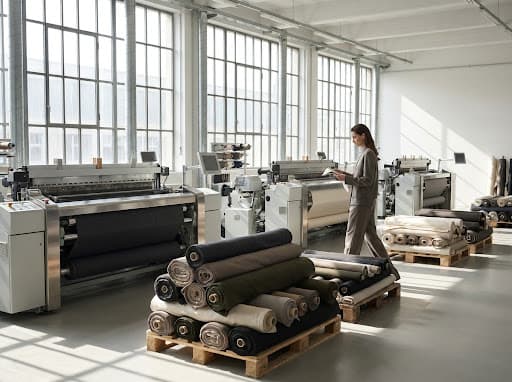
The Hari Krishna Textile Quality & Engineering team oversees weaving precision, GSM batch audits, and fiber testing under international ISO standards at our Surat mill facility.