Baldachin fabric is a luxurious material that can be used in a variety of ways in your home. Read on to learn more about this rich fabric and how you can use it in y
What is Baldachin Fabric?
- The term "Baldachin" is derived from the name of a rich fabric that was originally produced in Baghdad. This name is where the word "baudekin" and other spellings of the word originated.
- The word for the cloth itself came from the word for the canopies made from it that were used for ceremonies.
- A gold thread is woven into the fabric's warp, while silk thread is woven into the fabric's weft to create a luxuriously adorned fabric.
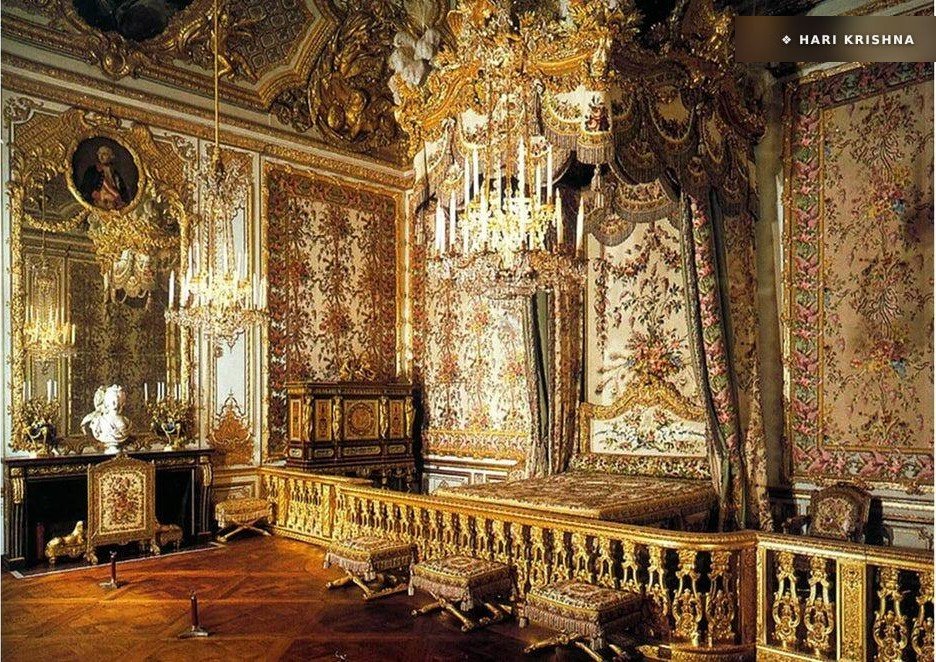
History
- An archaeological term for the canopy that covers an altar or tomb when it is freestanding and not attached to any wall, also known as a ciborium or baldachino, in architecture.
- A richly brocaded textile brought from Baghdad was used as a canopy over an altar or gateway in Spain. Once used as an altar canopy, it was later renamed the "Canopy."
- Ravenna and Rome have some of the earliest baldachin specimens. Entablatures with tiny colonnades are supported by four columns, and pyramidal or gabled rooftops them all.
- Arches replaced the entablatures in Romanesque architecture, and gables topped the four sides, like at the Church of San Ambrogio in Milan. As far as it is known, there are just a handful of baldachins from the Gothic era left, and their usage beyond Italy seems to have been sporadic.
- However, the Sainte-Chapelle in Paris, which was rebuilt and restored in the 19th century, has a beautiful Gothic baldachin from the same time period (1247–50).
- In the 17th century, more and more complicated baldachins were built. This may have been because of Gian Lorenzo Bernini's huge bronze baldachin for the altar of St. Peter's Basilica in Rome.
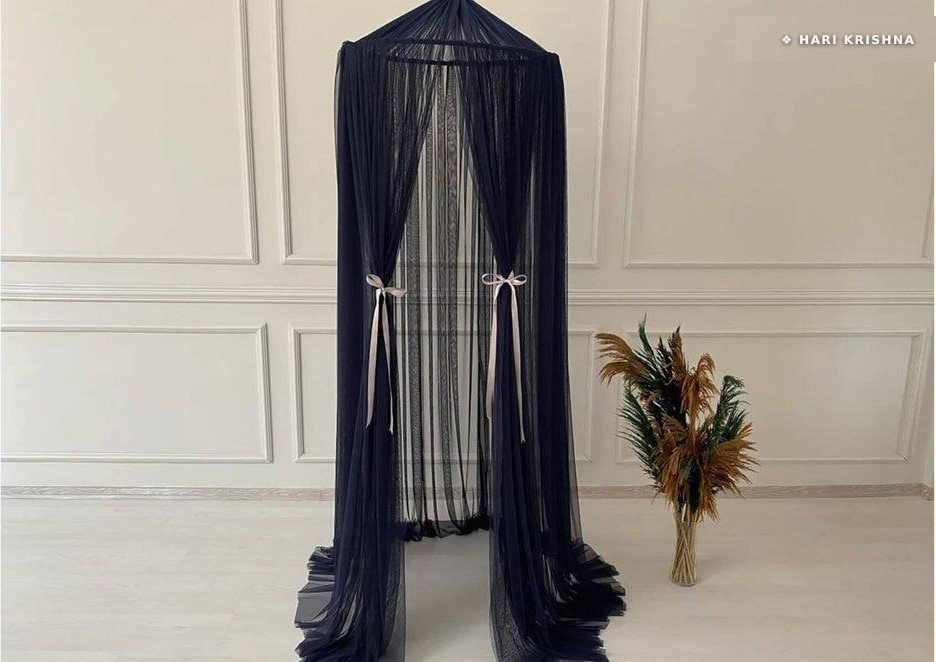
Applications & Uses
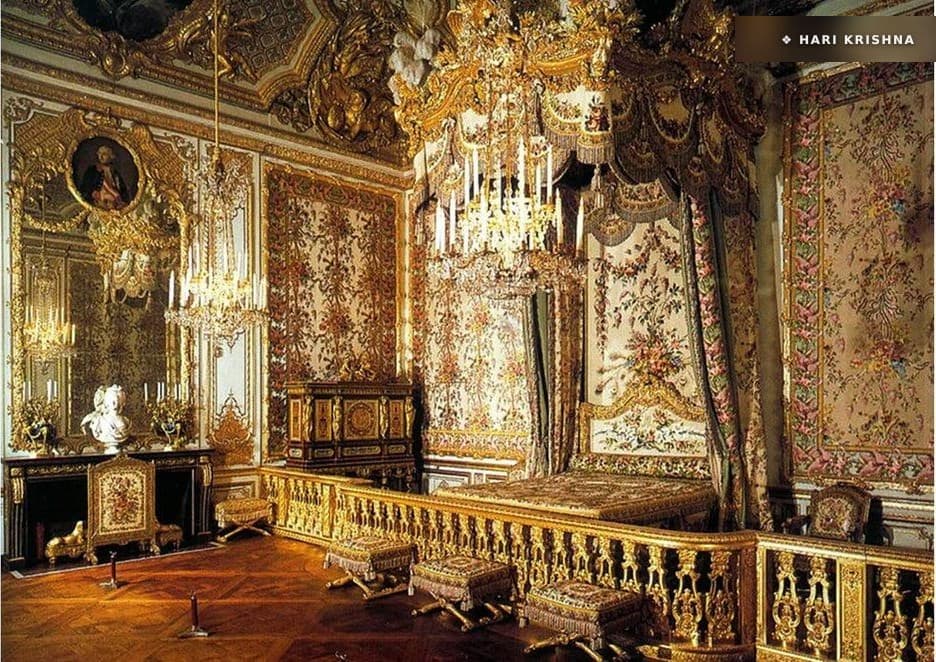
- A piece of cloth that is carried in a procession through a church or that is draped over an altar, throne, or dais.
Care & Maintenance Guidelines
01
Gentle Wash
Wash with mild textile liquid detergent in cold or lukewarm water.
02
Air Dry in Shade
Avoid direct scorching sunlight to preserve natural fiber luster.
03
Low Heat Iron
Press on reverse side using steam iron at recommended temperature.
Frequently Asked Questions
Was this fabric wiki guide helpful?
Your feedback helps our textile team continuously refine our specs.
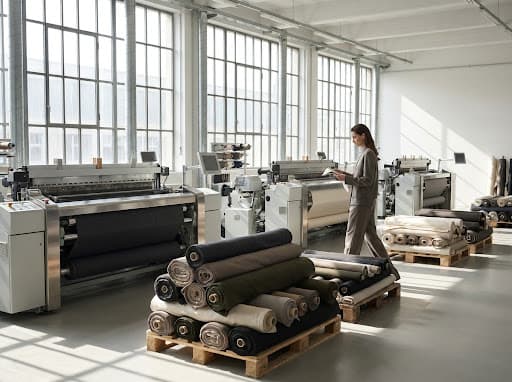
ARTICLE AUTHOR & QUALITY AUDITOR
Hari Krishna Fabric Experts
Textile Mill & Quality Engineering Team
The Hari Krishna Textile Quality & Engineering team oversees weaving precision, GSM batch audits, and fiber testing under international ISO standards at our Surat mill facility.