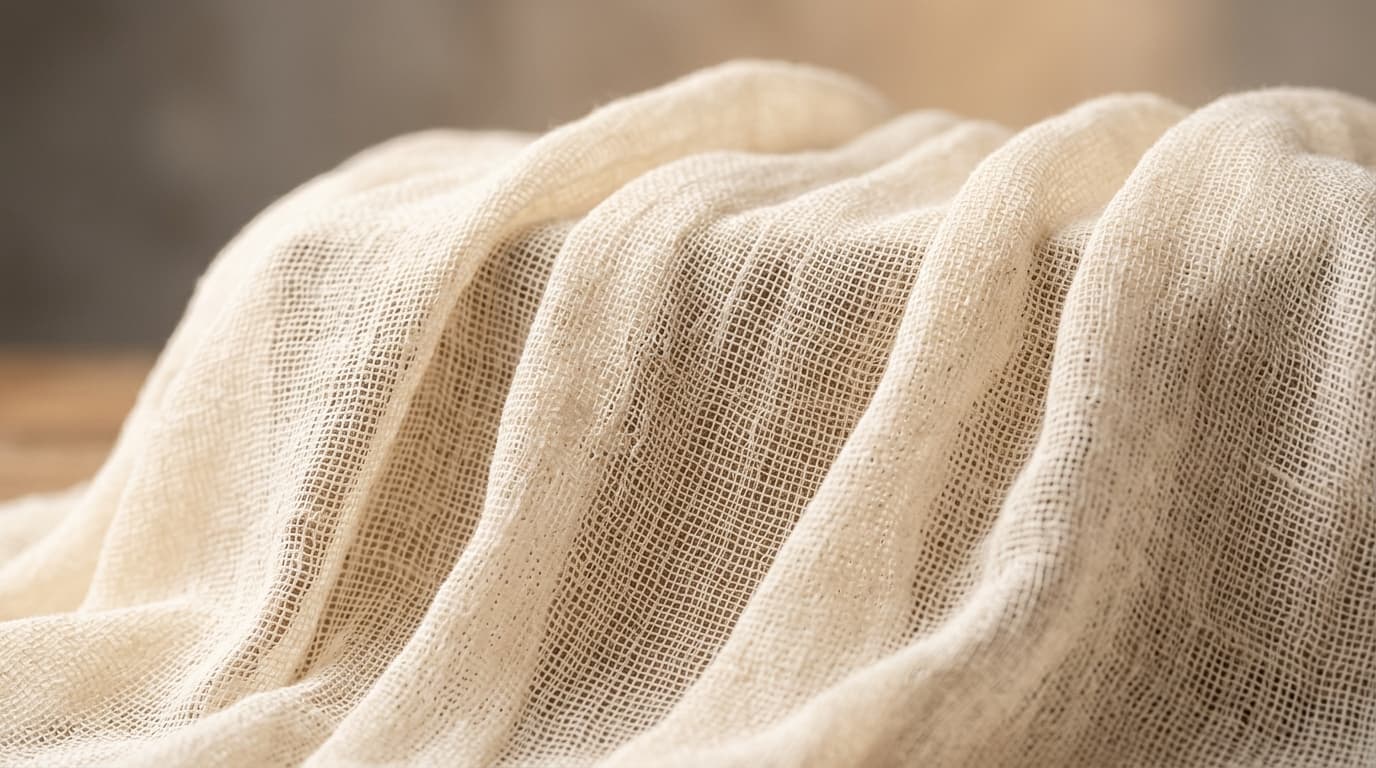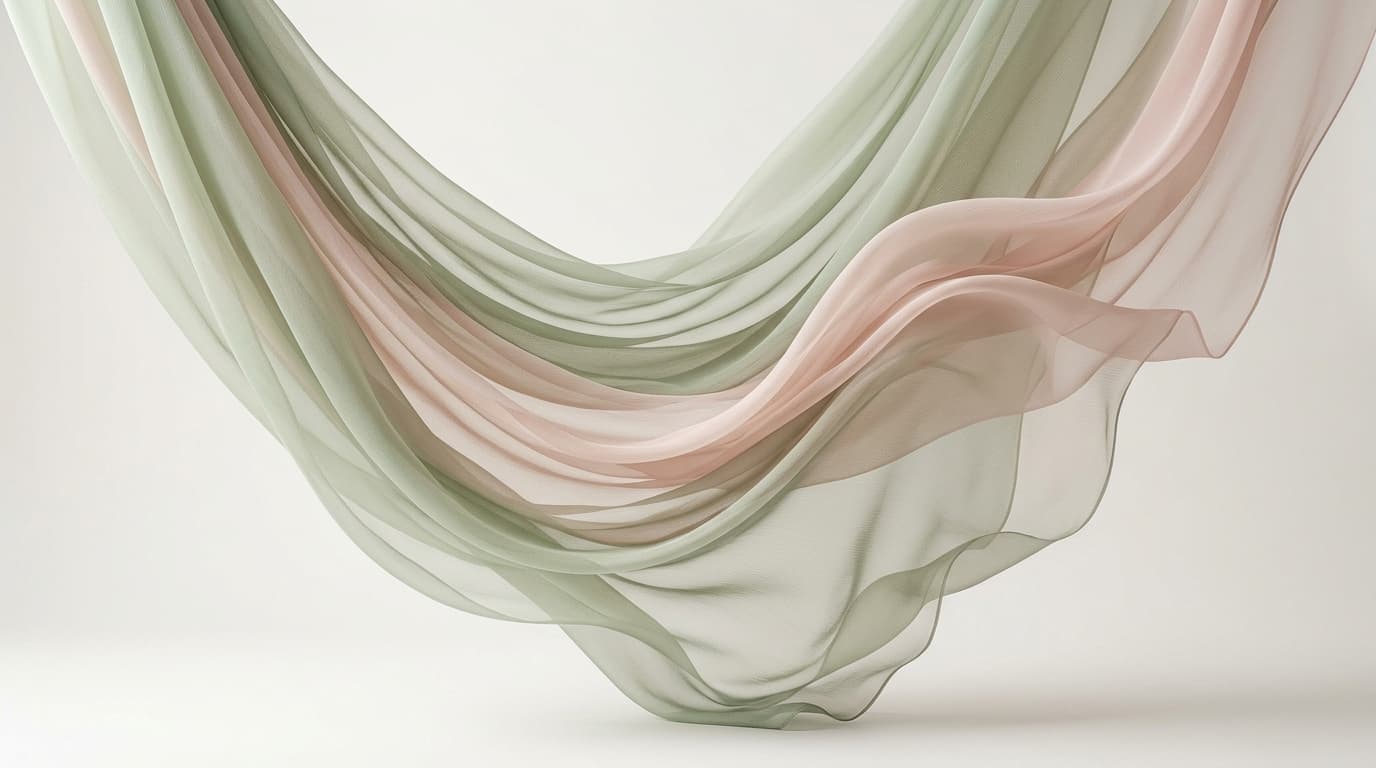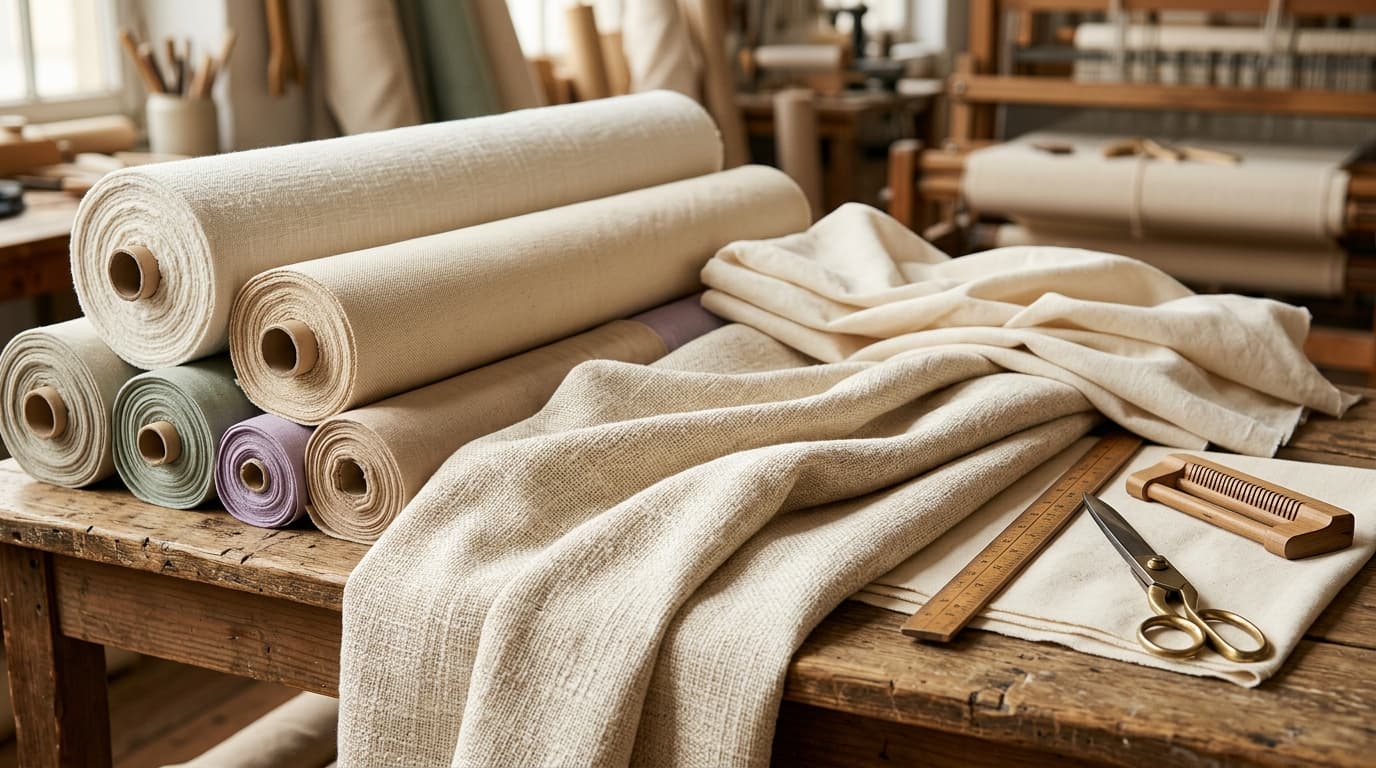
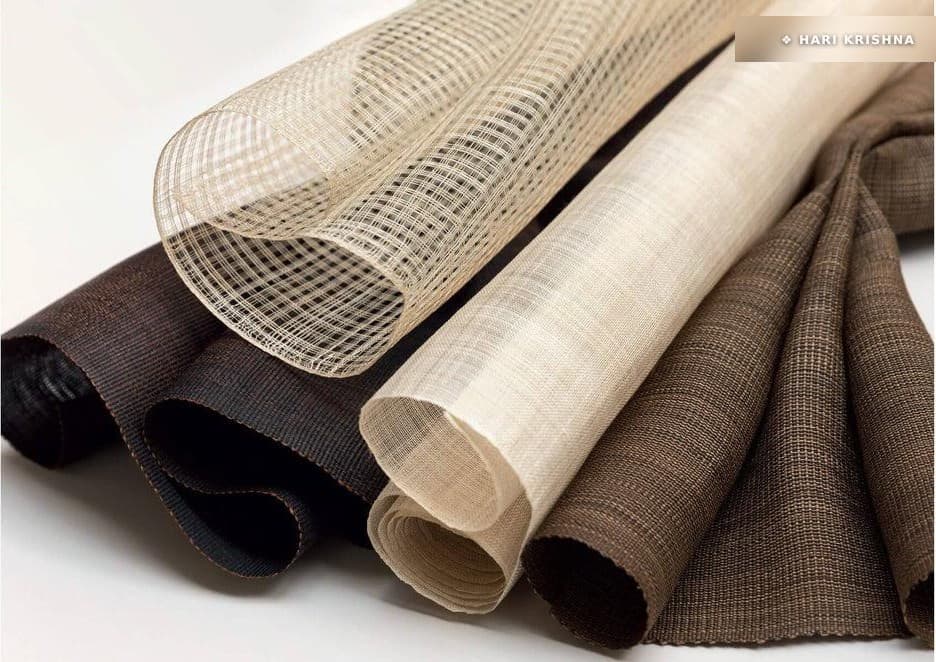
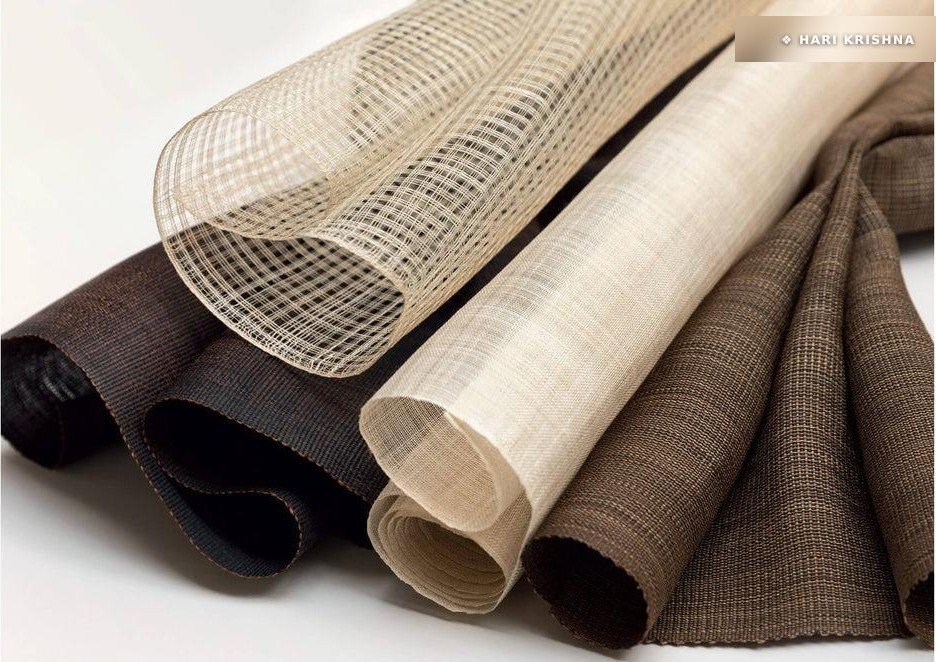
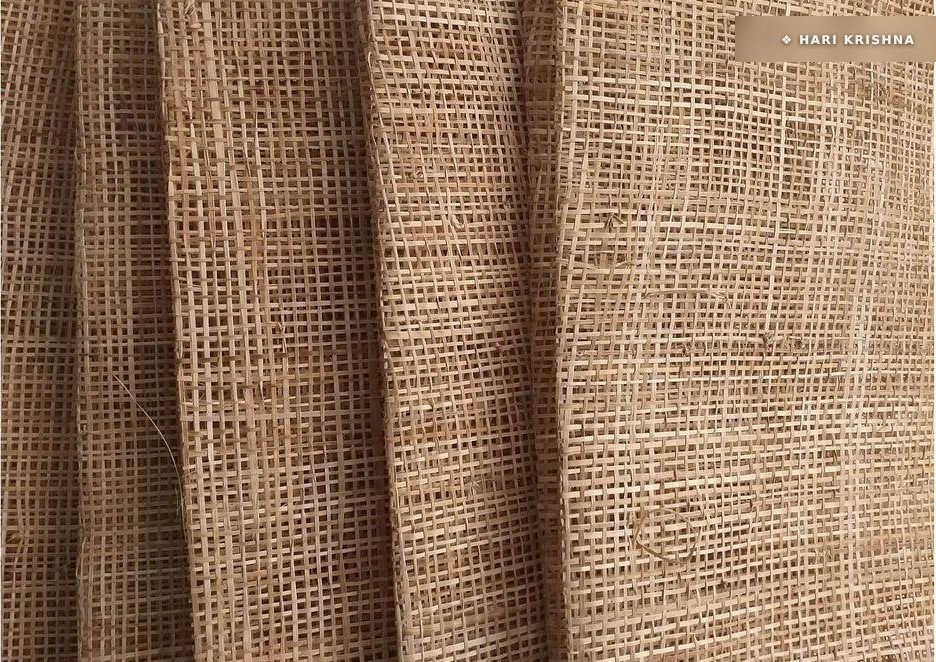
The fabric has a smooth texture with a combed yarn which is pleasant to touch.
Technical Specifications & Parameters
| Specification Attribute | Standard Spec |
|---|---|
| Texture | The fabric has a smooth texture with a combed yarn which is pleasant to touch. |
| Breathable | Abaca fabric is a durable and breathable fabric. |
| Luster | It has a mottled appearance and a luster surface. |
What is Abaca Fabric?
- It is a natural fiber that originated in the Philippines from a Musa textilis plant.
- It is a hard fiber, where mature plants are processed and turned into fibers similar to flax and hemp.
- Finer fibers which are 5m long are used to weave cloth whereas the coarser fibers are used in mats and durable cordage.
History
- Prior to the usage of synthetic textiles, Musa textilis was a major source for the creation of high-quality fibers that are soft and silky.
- Origin of abaca is thought to have originated from the eastern Philippines.
- The interior forest in the Island province of Catanduanes comprises numerous varieties of Abaca.
- Europeans came to know about the Abaca fiber when Ferdinand Magellan came to the Philippines in 1521.
- Whereas, throughout the Spanish Colonial era, it was referred to as “Medriñaque” fabric.
- By 1897, around 10,000 tons of abaca fabric were exported from the Philippines, making it one of the three-biggest crops along with tobacco and sugar.
What Makes it Stand Out
|
Texture |
The fabric has a smooth texture with a combed yarn which is pleasant to touch. |
|
Breathable |
Abaca fabric is a durable and breathable fabric. |
|
Luster |
It has a mottled appearance and a luster surface. |
Application & Usage
|
Clothing |
|
|
Accessories |
Hats, shoes, lampshades, book covers, etc. |
|
Home Furnishing |
Curtains, pillow covers, mats, tablecloths, etc. |

Care Instructions
- Wash the fabric in the machine, keeping different colored clothes separate.
- To remove stains, pre-treat the fabric with stain remover and then wash it.
- Do not dry the fabric on a string as it will crease the cloth.
- Use tumble dry in light mode.
- Iron the fabric at a high temperature.
Care & Maintenance Guidelines
Gentle Wash
Wash with mild textile liquid detergent in cold or lukewarm water.
Air Dry in Shade
Avoid direct scorching sunlight to preserve natural fiber luster.
Low Heat Iron
Press on reverse side using steam iron at recommended temperature.
Frequently Asked Questions
Was this fabric wiki guide helpful?
Your feedback helps our textile team continuously refine our specs.
Hari Krishna Fabric Experts
Textile Mill & Quality Engineering Team
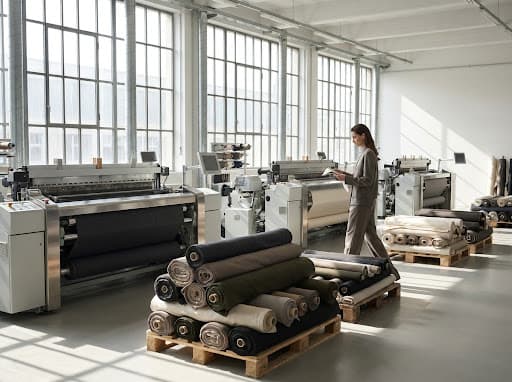
The Hari Krishna Textile Quality & Engineering team oversees weaving precision, GSM batch audits, and fiber testing under international ISO standards at our Surat mill facility.