
GOTS & OEKO-TEX Compliance: A Procurement Head's Guide to Export Standards
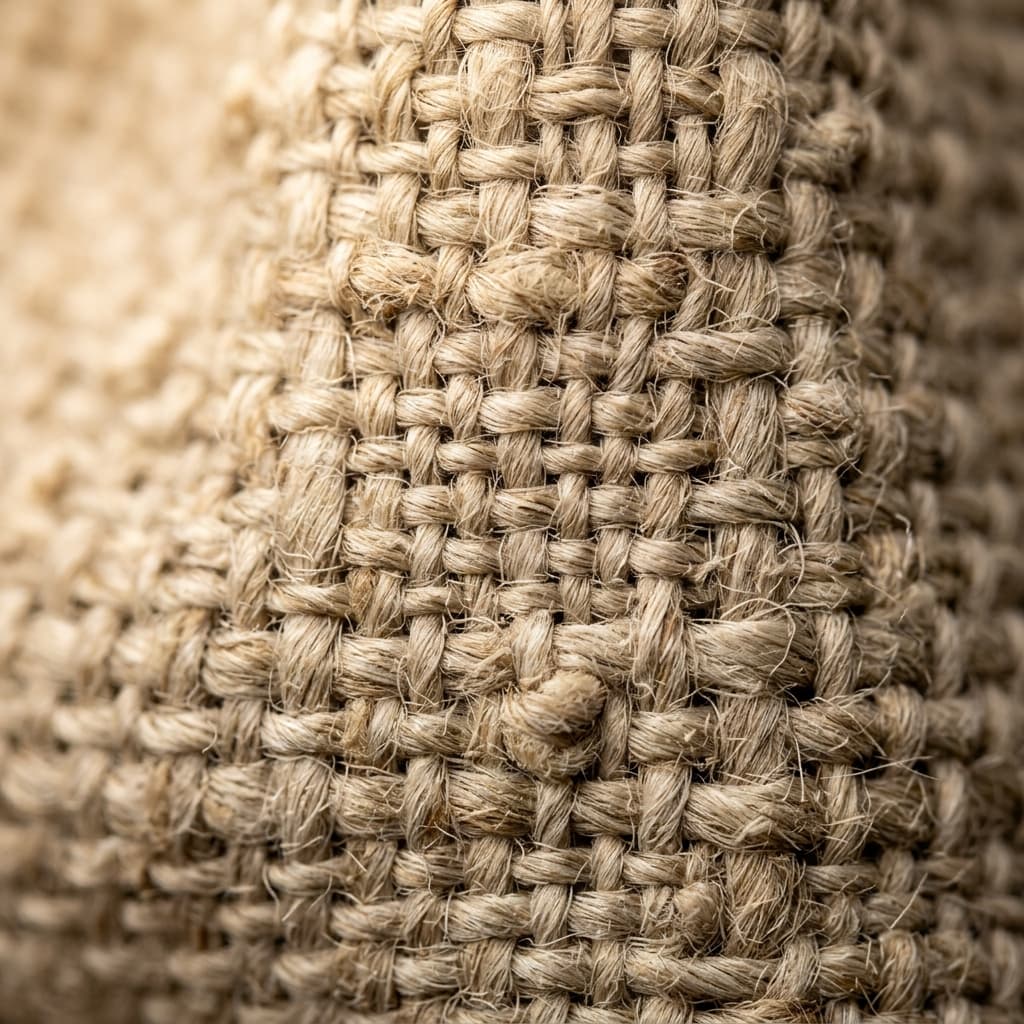
"The two compliance issues procurement teams most often face with GOTS and OEKO-TEX for US exports are surprisingly simpl..."
The two compliance issues procurement teams most often face with GOTS and OEKO-TEX for US exports are surprisingly simple: a GOTS claim is questioned at customs, or an OEKO-TEX certificate turns out to cover the wrong product class. These problems usually happen because buyers treat both certifications as one general “eco-label,” even though they verify different things and follow different requirements.
For procurement teams, understanding what each certification covers is only the first step. Buyers also need to verify their fabric supplier, review certification and testing documentation, and confirm that sustainable fabric meets the requirements of the destination market before placing a bulk order.
Overview
GOTS certification verifies organic fiber content and responsible processing across the supply chain, while OEKO-TEX Standard 100 tests the finished textile for restricted chemicals regardless of fiber type — and GOTS-certified textiles do not require a USDA NOP Import Certificate at the US border. Most of the holds the procurement teams report are avoided by knowing which government system each falls under and independently verifying that.
- GOTS certification requires minimum organic fiber content of 70% ("made with organic") or 95% ("organic"), making organic cotton fabric a common material covered under the standard, provided the required supply-chain stages are certified.
- OEKO-TEX Standard 100 applies to any fiber and is graded by Product Class I–IV based on skin contact.
- GOTS-certified goods sit outside the USDA National Organic Program and don't need an NOP Import Certificate.
- GOTS Version 8.0, released March 2026, becomes mandatory for all audits from 1 March 2027.
- Verify certificates directly with the issuing body — Control Union, Ecocert, OneCert, or Oregon Tilth — never from a supplier-forwarded PDF.
GOTS vs OEKO-TEX: Two Different Systems, Not One Label
This is where the confusion comes in. Buyers think that GOTS + OEKO-TEX certification is one audit that covers both. These are actually different certifying bodies, fees and renewal periods that a provider may hold on their own.
GOTS certification confirms an operation — processing, wet processing, or trading — meets minimum organic fiber content plus environmental and social criteria. OEKO-TEX Standard 100 makes no claim about fiber origin at all: it tests every component of the finished article, including thread, buttons, and prints, against a restricted substances list sorted by end-use class.
For buyers specifically sourcing certified organic cotton from India, Organic Cotton Fabric Export from India: Certified Suppliers provides additional guidance on suppliers, certification, sampling, and export considerations.
| Criteria | GOTS | OEKO-TEX Standard 100 |
| What it certifies | Organic fiber % + supply chain ethics | Chemical safety of the finished article |
| Applies to | Organic natural fibers only | Any fiber — natural, synthetic, blended |
| Label threshold | 95% organic for "organic"; 70% for "made with organic" | No fiber threshold — class-based instead |
| Certificate proof | Scope Certificate + shipment-level Transaction Certificate | Certificate number, checked at Label Check portal |
| US customs treatment | Outside the NOP system; no import certificate required | Standard customs entry, not organic-linked |
| Covers labor/social criteria | Yes | No |
Suppliers offering organic fabric certification alongside chemical safety testing typically keep the two documents separate — never assume one covers the other.
For buyers evaluating sustainability beyond a single certification, our guide to Sustainable Fabric Sourcing Companies for Fashion Brands covers organic materials, certification, traceability, and supplier verification.
Fabric-Level vs Garment-Level: What's Actually Certified
Most of the compliance gaps are occurring here. Certified fabric does not necessarily mean certified completed garment - this distinction is important at every step of processing handoff.
GOTS follows the certified supply chain end-to-end: fiber, spinning, dyeing, printing, and garment assembly must all be carried out in certified facilities for the finished piece to bear the label. If a brand buys GOTS-certified fabric but sends it to an uncertified cut-and-sew unit, the garment generally can't be marketed as GOTS certified. OEKO-TEX works differently — it tests the finished article itself, so a certified fabric doesn't guarantee the finished garment passes unless the trims, thread, and prints are tested too.
Before approving a GOTS certified fabric supplier for US export, confirm which stages their certificate actually covers:
- Fabric weaving or knitting
- Dyeing and printing
- Garment cut-and-sew
- Trims, labels, and packaging
The US Customs Distinction Procurement Teams Miss Most
This results in the majority of held shipments for buyers new to organic textile imports, and suppliers rarely explain it clearly.
The USDA's Strengthening Organic Enforcement (SOE) rule, effective March 2024, requires organic agricultural shipments to carry an NOP Import Certificate through the USDA's INTEGRITY database. Buyers assume this applies to GOTS textile shipments too — it doesn't. GOTS-certified finished textiles sit outside the NOP system entirely, so no NOP Import Certificate exists for them.
The discrepancy has generated genuine friction since SOE went into effect, with customs brokers unfamiliar with the difference holding GOTS goods awaiting a certificate that is not granted for textiles. The practical fix for textile export compliance:
- Confirm your product is labeled under GOTS, not claimed as "USDA Organic" — the USDA seal needs separate NOP certification of the finished textile, which most mills don't hold.
- Brief your customs broker with the GOTS Scope Certificate and a certifier clarification letter before the shipment departs.
- Never accept a supplier's "USDA Organic certified" claim unless they can produce NOP paperwork for the finished product itself.
Buyers sourcing from India can also explore Fabric Export Trends from India 2026: Key Insights for Global Buyers for broader context on India's export capabilities, buyer requirements, and evolving textile sourcing landscape.
How to Verify GOTS Certification: Who Actually Issues It
Without a certificate number that can be linked to an authorized organization, the GOTS emblem on a hangtag is meaningless. The majority of fraud cases involve fake or expired credentials that are misrepresented as current.
Approved bodies for how to verify GOTS certification include Control Union Certifications, Ecocert Greenlife, OneCert International, and Oregon Tilth. Control Union specifically warns that faked or manipulated certificates may circulate and provides a QR code verification system linked to a fixed URL for downloading the original document — not a separate link to the supplier's email.
Before releasing payment on a bulk order:
- Request the certificate number and the issuing body's name specifically.
- Verify directly through that body's own database, not a forwarded screenshot.
- Confirm the Scope Certificate covers the specific processing stage you're buying from.
- Request the shipment-specific Transaction Certificate — a company-level Scope Certificate alone doesn't authorize a single batch.
Why GOTS Version 8.0 Changes the Audit Calendar
Buyers working off pre-2026 supplier documentation are behind the current transition timeline.
Global Standard released GOTS Version 8.0 in March 2026. All audits and assessments conducted from 1 March 2027 onward are required to adhere to this guideline, although early adoption is currently allowed.
The update enhances due diligence expectations, increases the frequency of unannounced audits, and introduces a new Global Fibre Registry for improved traceability. Add a version-disclosure clause to any supply agreement for the 2026–27 period to ensure that certificates do not lapse during the contract term.
Matching OEKO-TEX Product Class to Actual End Use
One common mistake is to accept a certificate without looking at what product class it is for. A Class III certificate for outerwear will not satisfy a shop that requires Class II for direct-contact items.
OEKO-TEX Standard 100 sorts products into four classes: Class I for infants up to 36 months, Class II for direct or prolonged skin contact, Class III for limited skin contact, and Class IV for decorative furnishings. Every “OEKO-TEX Standard 100” certificate carries a number that can be verified through the official Label Check database.
For US-bound children's apparel, this certificate does double duty — the US Consumer Product Safety Commission accredits OEKO-TEX's partner labs, and a Class I report can serve as evidence of CPSIA lead-content compliance, cutting duplicate testing. Also confirm the substance list is current: updated PFAS limits, including a 25 µg/kg PFOS threshold, apply across Standard 100 from January 2026.
How Hari Krishna Handles GOTS & OEKO-TEX Documentation
Teams that purchase Hari Krishna for certified fabric sourcing will have certification paperwork attached to that specific batch, not a broad, company-wide claim — the type of distinction that matters most during a retailer or customs audit, and what sets a true compliance system apart from a supplier relying on logos alone.
Hari Krishna's catalog spans thousands of fabrics, with GOTS-certified fabric options filtered separately from standard production runs, alongside FSC and BCI certification depending on the fiber base. Every order — certified or not — runs through the same three-stage QA workflow, and digital printing across the catalog uses AZO-free inks, which support OEKO-TEX-compliant fabric sourcing expectations even on fabric that isn't independently OEKO-TEX certified.
When it comes to procurement heads developing a shortlist of suppliers, the documentation ask is the same no matter the vendor:
- GOTS Scope Certificate and batch-specific Transaction Certificate, confirmed before swatches move to bulk order.
- OEKO-TEX certificate number with product class matched to the intended end use.
- Written confirmation of which processing stages (fabric, dyeing, digital printing, screen printing, block printing, garment manufacturing) the certification actually covers.
- Documentation available at the sampling stage, not requested only after production has started.
Hari Krishna's sampling process is built to surface this paperwork upfront rather than after the fact — share your fiber and certification requirements for bulk fabric orders, and get matched fabric options with documentation attached before you commit to a production run.
Supplier Verification Checklist for Bulk Orders
Attach this to every new-supplier file before releasing a purchase order for enterprise fabric sourcing:
- GOTS Scope Certificate, verified through the issuing body's own portal.
- Batch-specific GOTS Transaction Certificate matching the shipment.
- OEKO-TEX certificate number, checked at Label Check, class matched to end use.
- Written confirmation the shipment won't need an NOP Import Certificate.
- Current GOTS version and transition status ahead of March 2027.
- Named certifier contact for re-audits or disputes.
FAQ
Do GOTS-Certified Shipments Need A USDA NOP Import Certificate To Enter The US?
No. GOTS goods fall outside the National Organic Program, so no NOP certificate applies — carry the GOTS Scope Certificate and a certifier letter if a broker questions it.
Can A Fabric Be OEKO-TEX Certified Without Being GOTS Certified?
Yes. OEKO-TEX applies to any fiber, including conventional cotton and synthetics, with no organic content requirement.
Which Organizations Are Authorized To Issue GOTS Certificates?
Global Standard names Control Union Certifications, Ecocert Greenlife, OneCert International and Oregon Tilth as recognized bodies. Always check with the issuing body directly, not the supplier .
Can A Product Be Labeled "USDA Organic" and "GOTS certified" At Once?
Only if the finished textile holds separate NOP certification; GOTS alone lets a product be marketed as "organic" in the US, but not as "USDA Organic."
Does An OEKO-TEX Certificate Cover All Garment Types Equally?
No. Certificates are issued per product class based on skin contact. Always match the class to actual end use before accepting it.
Is GOTS Version 7.0 Still Valid In 2026?
Yes. Audits before 1 March 2027 can still run under Version 7.0, though early adoption of Version 8.0 is underway.
Conclusion
GOTS and OEKO-TEX solve different problems — one verifies fiber origin and supply chain ethics, while the other verifies chemical safety of the finished product. Treating them as interchangeable is where most procurement teams lose time at customs or during retailer audits. For buyers sourcing sustainable fabric, understanding the difference between these certifications is equally important because each addresses a different aspect of material and supply-chain requirements.
Before you send out your next purchase order, get the certificate numbers from your shortlisted suppliers, check each one directly on the issuing certifying body's webpage, and validate which GOTS version and OEKO-TEX product class apply to your shipment.