
Choosing the Right Fabric for Your Collection: Linen Fabrics in Modern Fashion
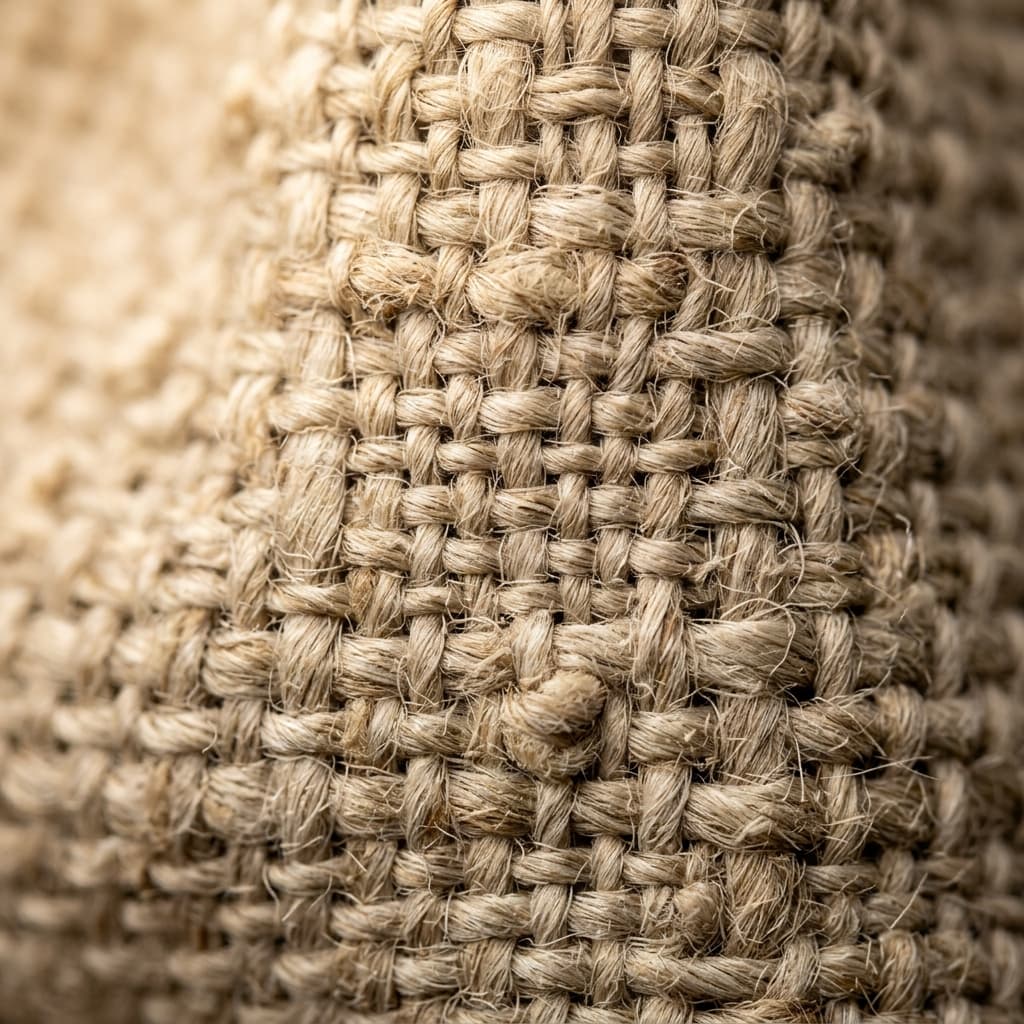
"Linen has moved from a seasonal accent to a wardrobe foundation.Where it once showed up as a loose, deliberately undone ..."
Linen has moved from a seasonal accent to a wardrobe foundation.
Where it once showed up as a loose, deliberately undone summer piece, 2026 collections are treating linen as a structured, everyday fabric — cut with precision, worn year-round, not just pulled out in July.
For a brand actually choosing linen fabric for a collection, that shift raises a real question: which linen, at which weight, in which blend, actually fits the design brief? This guide covers exactly that.
Quick Answer
When trying to pick the suitable linen fabric, you need to match the flax content, weight (GSM), and blend ratio to the purpose of the garment, not just pick "linen" as a category.
- Lightweight linen (under 150 GSM) suits shirting, blouses, and warm-weather drape.
- Mid-weight linen (150–200 GSM) works for structured dresses, trousers, and tailored pieces.
- Heavier linen (200+ GSM) fits jackets, outerwear, and upholstery-adjacent applications
- Linen blends (with cotton, viscose, or a bit of elastane) make clothes less likely to wrinkle, softer, or stretchier. Pure linen has the most texture and breathability.
- Linen's low-water, minimal-chemical-processing production also makes it easier to align with sustainability-focused sourcing requirements.
What Makes Linen Different From Other Natural Fibers
Linen comes from the flax plant's stem fibers, not a seed pod like cotton — a structural difference that explains most of what makes it behave the way it does.
- Breathability — an open fiber structure that allows airflow and wicks moisture, keeping the wearer cooler than most other natural fibers
- Strength — flax fiber is naturally strong, which is part of why linen holds up and softens with age rather than wearing thin.
- Low environmental footprint at the fiber stage — flax typically requires less water and chemical processing than cotton to produce
- Texture — linen's characteristic slubbed, slightly irregular surface is a structural trait of the fiber, not a flaw to finish away
This is also why linen doesn't behave like a synthetic performance fabric — its strength is in natural texture and breathability, not stretch or wrinkle resistance, which is exactly where blending comes in.
Matching Linen Weight to Garment Category
| GSM Range | Category | Typical Use |
| Under 150 | Lightweight | Shirting, blouses, warm-weather dresses |
| 150–200 | Mid-weight | Structured dresses, trousers, tailored separates |
| 200+ | Heavyweight | Jackets, outerwear, structured bags |
A heavier weight gives more polish and structure but can feel warmer and less fluid. A lighter weight moves more easily but holds less shape — there's no universally "better" weight, only the right one for a specific garment.
Pure Linen vs. Linen Blends
This is the decision most collections actually hinge on, and it's rarely obvious from a swatch alone.
- Pure linen delivers the most authentic texture, breathability, and drape — but wrinkles more readily and softens more slowly than a blend.
- Linen-cotton blends reduce wrinkling and add softness while retaining much of linen's breathable character — a practical middle ground for everyday-wear collections.
- Linen-viscose blends add drape and a smoother hand-feel, often used where a softer fall matters more than linen's natural crispness.
- Linen-elastane blends introduce stretch recovery, relevant for more fitted or knit-adjacent applications — this is the same logic behind linen knit fabric, which pairs linen's breathability with a knit base for stretch and softness a pure woven linen can't offer.
There's no single right answer here — it depends on whether the brief prioritizes authentic texture or easier day-to-day wearability.
The 2026 Shift: Linen as a Structured, Everyday Fabric
The biggest change in how linen is being used isn't the fiber — it's the styling around it.
For many years, linen leaned toward a shape that was meant to be loose and easy. These days, linen is cut precisely, styled subtly, and worn less as a seasonal statement piece and more as a closet basic that will be worn again and again.
That shift has real sourcing implications — it favors linen and linen-blend fabrics with enough structure to hold a tailored line, not just the softest, most relaxed weight in the catalogue. (For a deeper look at how this plays out specifically in European buying patterns, see Why European Brands Prefer Linen and Cotton for Summer 2026.
Linen and Sustainability-Focused Sourcing
The way linen is made actually supports collections that are environmentally friendly, not just the words used in selling them.
- Flax generally requires less water than cotton to cultivate.
- Processing involves comparatively minimal chemical treatment.
- The fiber is naturally biodegradable at end of life.
- Linen's durability — improving rather than degrading with age and washing — reduces replacement frequency, which is itself a sustainability argument.
For brands that need to document these claims rather than state them, our GOTS vs OEKO-TEX compliance guide covers how to verify organic and sustainability certifications independently, rather than accepting a supplier's claim at face value.
Choosing the Right Linen: A Practical Framework
Before finalizing a linen fabric for a collection, work through these questions in order:
- What's the garment category? — this determines the GSM range to start from.
- Does the design need structure or drape? — heavier weights and blends with cotton lean structured; viscose blends lean toward drape.
- How much wrinkle tolerance does the customer expect? — pure linen wrinkles visibly; blends reduce this at the cost of some texture.
- Does the collection need certified or sustainable documentation? — confirm this before development, not after.
- Is the design solid, printed, or patterned? — this determines whether to start from dyeable base fabric or a yarn-dyed linen construction for checks and stripes.
Sourcing Linen Fabric With Hari Krishna
Choosing the right linen fabric for a collection starts with the base material—its weight, construction, texture, and intended use—before decisions around color, dyeing, or printing are made. As a tech-enabled fabric sourcing partner, Hari Krishna helps fashion brands move from material discovery and sampling to customized development and bulk production through a more transparent sourcing workflow.
- Wholesale linen fabric — Explore different weights, constructions, and linen blends for shirts, dresses, trousers, resortwear, and structured garments.
- Linen knit fabric — Combines linen's natural breathability with the stretch and softer hand-feel of a knitted construction.
- Linen yarn-dyed fabric — Suitable for checks, stripes, and other patterns created through yarn coloration rather than surface printing.
- Greige linen — Provides an undyed starting point for brands developing custom colors, finishes, or other fabric specifications.
- Sustainable fabric options — Brands can also explore linen alongside other sustainable materials such as organic cotton, TENCEL™, and recycled or blended textiles depending on the collection requirements.
With 10+ years of experience in dyeing and printing and access to thousands of fabrics, Hari Krishna supports more than basic fabric sourcing. Brands can develop linen through custom dyeing, digital fabric printing, screen printing, and block printing, depending on the desired design and production requirements.
Fabric swatches let brands working on a new collection get a feel for the real hand-feel, texture, and weight of the fabric before ordering sample yardage. This clarifies the sourcing process, so the material can be checked first and then changed or sized only after the specifications have been accepted.
Conclusion
Linen's biggest advantage in 2026 isn't novelty — it's versatility, provided the weight, blend, and finish are matched deliberately to the garment rather than chosen on reputation alone. Start with the end use, work backward to the right GSM and blend, and confirm sustainability claims through documentation rather than assumption. That's the difference between linen as a passing seasonal note and linen as a genuine wardrobe foundation for the collection.
FAQ
What GSM Should I Choose For A Linen Shirt Versus A Linen Jacket?
A shirt should be less than 150 GSM so it can breathe and flow well, while a structured jacket should be 200 GSM or more to keep its shape and have enough body.
Is Linen Or A Linen Blend Better For A First Collection?
A linen-cotton blend is usually the safest place to start. It keeps the breathable quality of linen while lowering wrinkles and making the fabric more consistent across a production run, which is more important for the first bulk order.
Does Linen Shrink More Than Cotton?
If you don't treat the linen first, it can shrink a lot in the first wash. This won't happen at the cutting table if you ask for fabric that has already been washed or shrunk, or if you include a shrinkage limit in your fabric spec.
Why Is Linen Considered More Sustainable Than Some Other Natural Fibers?
Flax cultivation generally uses less water and chemical processing than cotton, and linen is naturally biodegradable — though sustainability claims should still be verified through certification rather than assumed from the fiber type alone.
Can Linen Be Custom Dyed Or Printed?
Yes — linen takes dye well and can be custom-colored or printed once prepared as a dyeable base fabric, though the same shade can look different on linen than on cotton or viscose due to how the fiber reflects light.